In a large mixing bowl, combine the cornmeal, whole wheat pastry flour, all-purpose flour, baking powder, sugar and salt in a large bowl. In a separate bowl, mix together the milk, eggs, applesauce, and melted, cooled butter.: The scent at this stage is subtly grainy and bready, and when you whisk the dry ingredients together you create an even base so that the leavening and salt are distributed uniformly. I like to sift the flours together or at least stir vigorously so there are no pockets of baking powder that could cause uneven bubbling. A common mistake is to skip this step and end up with flat spots or uneven texture, so take your time blending the dry mix until it looks homogenous and feels light when you lift the spoon.
Slowly pour the wet ingredients into the dry ingredients, and stir with a wooden spoon, until they are just blended. Do not over mix. Allow the mixture to rest at room temperature for 20 minutes.: When you whisk the wet ingredients you should notice a glossy sheen and a smooth, slightly viscous texture from the applesauce . The aroma of butter will be present but not overwhelming because it is cooled, which prevents cooking the eggs . Combining the liquids gently prevents over incorporation of air, which could make the batter fragile. Avoid using hot butter, which can scramble the eggs and ruin the texture; if that happens your batter can become lumpy and will not bake evenly.
Meanwhile, preheat the oven to 350 degrees F. Line a 12-cup muffin tin with paper liners or lightly grease with cooking spray. Spoon the batter into the tin, filling each one just to the top.: At this point the batter will look slightly lumpy and thick, with visible flecks of cornmeal . The key is to stop stirring once you no longer see dry streaks because over mixing develops gluten and yields tough muffins. You will feel resistance when stirring, and the sound is a soft scraping rather than vigorous sloshing. A frequent error is to over mix in hopes of perfect smoothness, so resist that urge and accept a few lumps for a tender crumb.
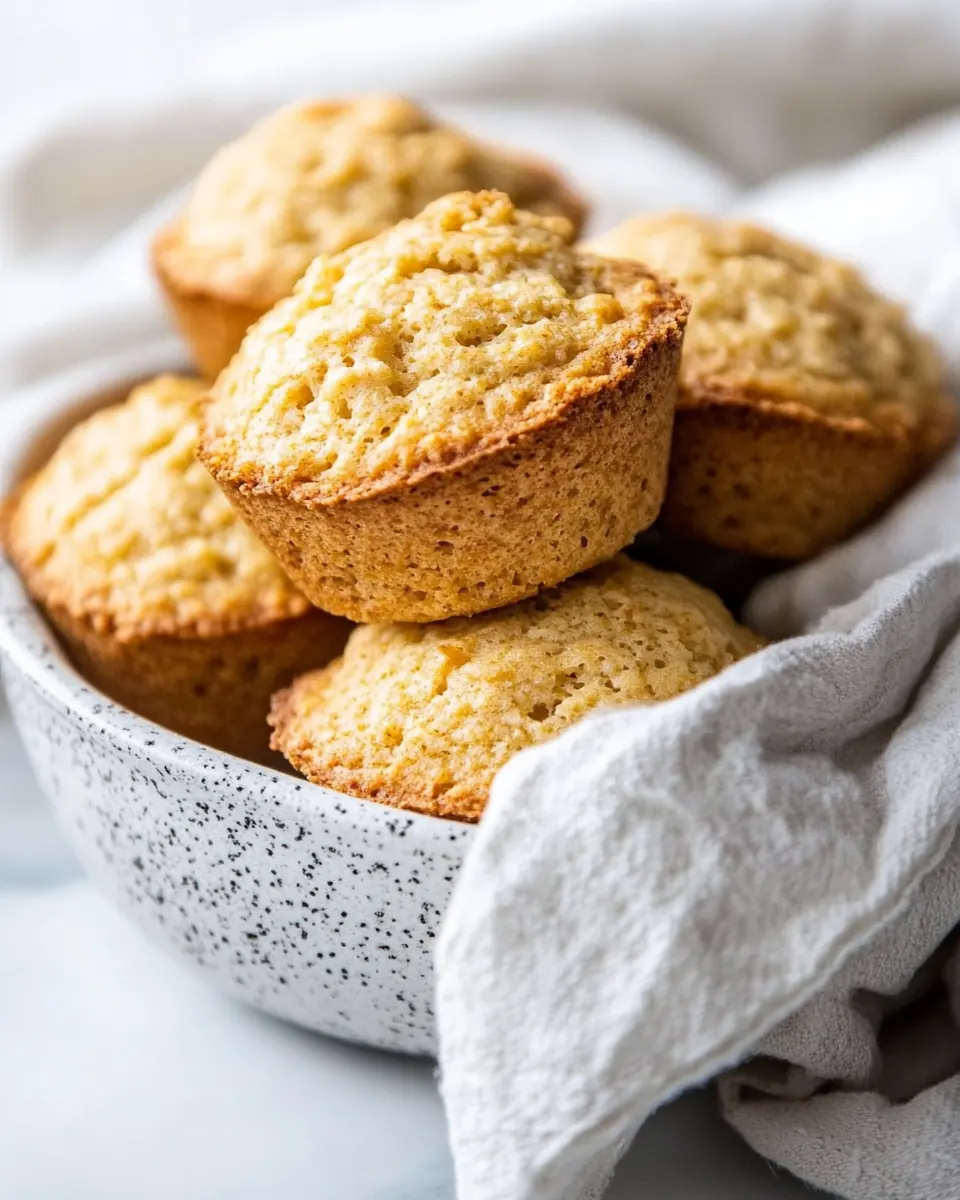
Bake the corn muffins for 23-25 minutes, until the tops are lightly crisp and a toothpick inserted in the center comes out clean. Let cool for 5 minutes in the pan, then gently transfer to a wire rack to cool completely…or enjoy them warm right away.: After the batters are combined the surface should be cohesive but not glossy like cake batter, and the interior will hold together when scooped. This restraint preserves the tender mouthfeel we want. If you overwork the batter it becomes elastic and dense; signs include strings when you lift the spoon and a heavy pour. If that happens the muffins may rise poorly and be gummy inside, so mix with gentle strokes only.
Allow the mixture to rest at room temperature for 20 minutes: Resting lets the cornmeal hydrate and the flours absorb liquid, producing a more unified batter and improving texture. You will notice the batter relaxes, thickens slightly, and the cornmeal swells, making the muffins less likely to crumble. This pause also helps the baking powder begin to act so the oven spring is more effective. Skipping this rest often yields a coarser crumb and can reduce volume, so try not to rush it.
Meanwhile, preheat the oven to 350 degrees F: As the oven comes up to temperature you will smell a faint warmth in the air and the heating elements will settle into a steady glow. A properly preheated oven ensures even rise and consistent browning of the muffin tops. If you skip preheating or put muffins into a cold oven they will cook unevenly and likely spread rather than dome. Use an oven thermometer if your oven runs hot or cold, since many ovens are off by several degrees.
Line a 12 cup muffin tin with paper liners or lightly grease with cooking spray: When the tins are prepared the batter releases cleanly after baking, and the liners help prevent sticking while creating a tidy presentation. Greasing is fine, but liners make storing and serving easier. A common oversight is to underprepare the tin, which can lead to muffins sticking and tearing when removed, so ensure each cup is lined or well greased before filling.
Spoon the batter into the tin, filling each one just to the top: The batter will feel thick but spoonable, and filling to the top gives full, bakery style crowns. As you fill, the surface should be glossy and slightly pebbled from the cornmeal . Avoid overfilling which can cause the muffins to overflow, and underfilling which yields small, flat muffins. I like to use an ice cream scoop for consistency so each muffin bakes evenly.
Bake the corn muffins for 23 to 25 minutes, until the tops are lightly crisp and a toothpick inserted in the center comes out clean: The oven will produce a warm, toasty aroma of butter and corn as the tops brown. Look for a pale golden color and a slight spring back when pressed. The toothpick test should show no wet batter, only moist crumbs. Opening the oven too frequently to check can cause uneven rise, so trust the timing window and check near the end. If muffins brown too quickly, tent them lightly with foil to avoid overbronning while allowing the centers to finish baking.
Let cool for 5 minutes in the pan, then gently transfer to a wire rack to cool completely…or enjoy them warm right away: Cooling briefly in the pan lets the crumb set so the muffins do not fall apart, and transferring to a rack prevents soggy bottoms by allowing air to circulate. Warm muffins are especially aromatic, with melted butter and steam adding to their appeal, but cooling makes slicing and storage neater. A typical mistake is leaving them in the hot pan too long which traps steam and softens the exterior, so move them after the short rest for the best texture.