Preheat the oven to 350°F. Spray the bottom-only of a 5 x 9-inch loaf pan with nonstick spray.: When the oven heats to 350°F you will notice a steady hum and a warmth that fills the kitchen, signaling it is ready to transform batter into bread. Preheating ensures even rise and predictable baking time, so do not skip this step. Spraying only the bottom of the pan encourages the sides to cling slightly, which helps support the loaf as it rises, reducing the chance of sinking in the center. A common mistake is placing the pan in before the oven is fully hot, which can yield uneven oven spring. If you are unsure if the oven is accurate, an inexpensive oven thermometer can help avoid surprises.
In a large mixing bowl, whisk together the flour, salt, baking powder and baking soda.: As you whisk, the dry mixture should look uniform and pale, with no streaks of leavening or salt visible, which ensures even distribution. Whisking also introduces a tiny bit of air, helping the loaf feel lighter. The smell at this point is neutral but clean, and you can already sense the promise of baked bread. One pitfall is failing to break up lumps of flour, which can create dense pockets; sift or thoroughly whisk to prevent that. Properly combined dry ingredients form the structural framework that interacts with wet components for an even rise and texture.
In another bowl, whisk together the sugar, water, orange juice, oil, egg and orange zest; mix well to combine. Stir in the dry ingredients just until moistened. Fold in the cranberries (and nuts, if using). Spoon the batter into the prepared loaf pan.: With the wet ingredients combined, you will notice a glossy, slightly loose batter with flecks of orange zest dancing through it, releasing bright citrus oil. When you add the dry mixture, mix just until you no longer see streaks of flour; the batter should be lumpy and soft rather than silky smooth. Overmixing develops gluten, making the crumb tough, so stop as soon as the ingredients are integrated. Folding in the cranberries distributes tart bursts throughout the loaf, and the occasional visual pop of red is satisfying. If using walnuts, folding them gently preserves their crunch. Spoon the batter into the pan with a spatula and level the top gently; the surface should be slightly uneven rather than perfectly flat. One mistake is overworking the batter, which tightens the crumb, so be gentle and confident when folding.
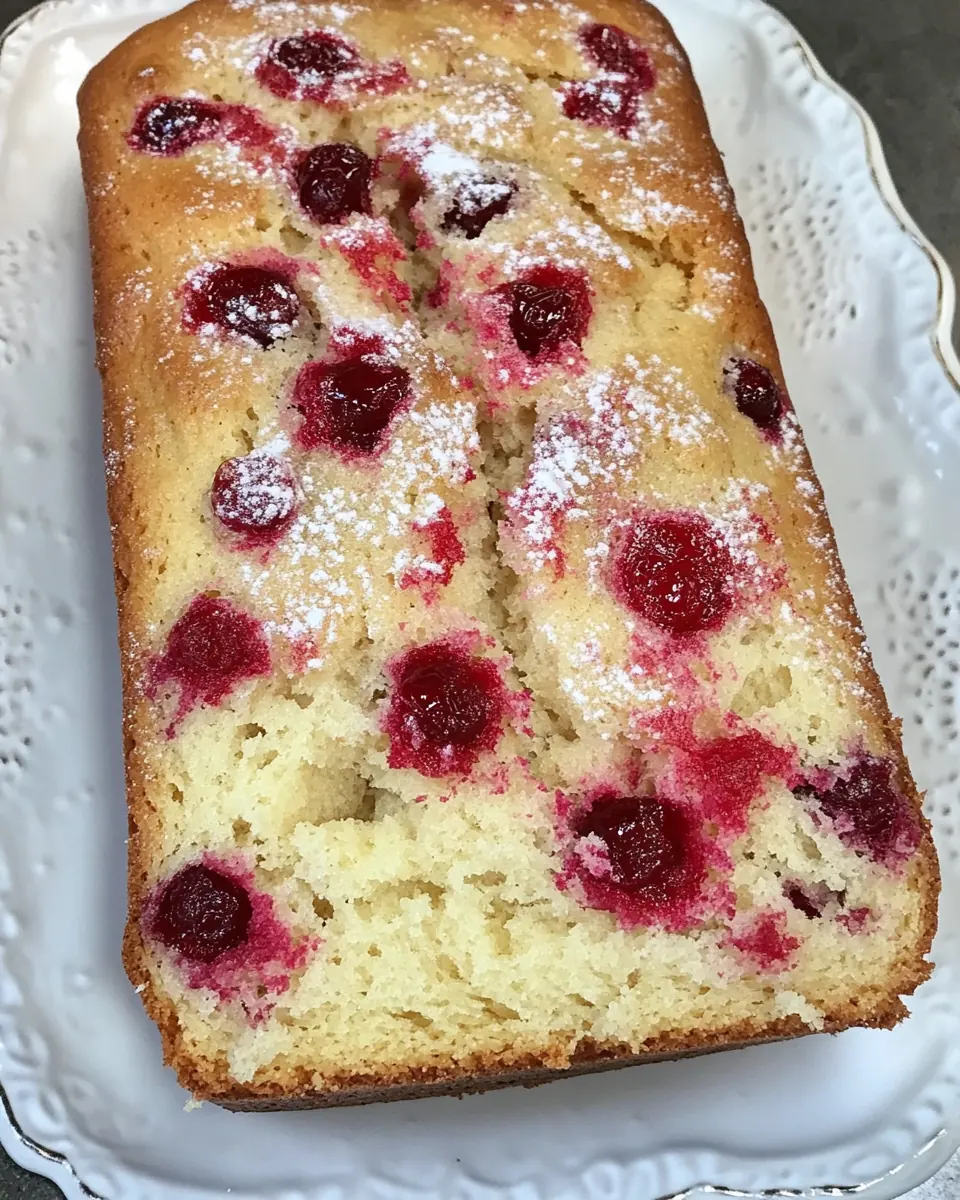
Bake for 50 to 60 minutes or until a wooden pick inserted into the center comes out clean. Cool in the pan for 10 minutes. Remove to a wire rack to cool completely. Store, tightly wrapped or in a sealed container, in the refrigerator.: As the loaf bakes, the kitchen fills with the aroma of orange and sugar, and you may hear a gentle crackle as the crust sets. The top should develop a warm golden brown color, slightly darker where the orange note caramelizes. Insert a wooden pick near the center at about 50 minutes; if it comes out with a few moist crumbs but no raw batter, the loaf is done. Cooling in the pan for 10 minutes helps the loaf stabilize so it does not collapse when turned out, and transferring to a wire rack prevents the bottom from steaming and becoming soggy. If you store the loaf, wrap it tightly to preserve moisture and prevent the cranberries from drying. A common error is removing the loaf too soon from the pan, which can cause it to crumble; let those 10 minutes pass before turning out.