In a 9- to 10-inch (23-25 cm) cast iron skillet, melt the 4 tablespoons of butter and the brown sugar together, stirring frequently, until the sugar is moistened and liquefied. When the mixture starts to bubble, remove from heat and set the pan aside.: You will notice the aroma immediately, a warm toasty note with deep caramel undertones, and the sugar will take on a glossy, syrupy sheen. This bubbling signals that the sugar has started to dissolve into the melted butter , creating a lacquer that will coat the cranberries . The reason I remove the skillet from heat at the first steady bubble is to avoid scorching, which ruins the clean caramel flavor. A common mistake is leaving it on the heat too long, which can make the sugar bitter. If the mixture thickens too fast, briefly lift the pan from heat and stir to cool it down.
Preheat the oven to 350ºF (180ºC).: You should hear a quiet hum as the oven comes to temperature and the interior light will glow, signaling it's ready. I always preheat for at least 10 minutes to ensure even baking. The steady, moderate oven heat allows the cake to rise and set without browning the top too quickly. A typical error is putting the cake into an oven that is still warming, which can lead to uneven rise and a dense center. Use an oven thermometer if you doubt your oven's accuracy.
In a small bowl, whisk together the flour, cornmeal or polenta, baking powder, and salt.: As you whisk, you'll notice the pale dusting of flour and the coarse specks of cornmeal, a visual sign that the dry elements are evenly distributed. This step is crucial to ensure the baking powder is spread uniformly, which promotes an even rise. If you skip this, you risk pockets of leavening that create odd holes or a lop sided rise. A common oversight is packing the measuring cups; spoon and level the flour for consistent results.
In the bowl of a stand mixer, or by hand in a mixing bowl with a spatula, beat the 1/2 cup of butter, granulated sugar and lemon zest at medium high speed for 3 to 5 minutes, until very light and fluffy.: You will detect the mixture lighten in color and take on a ribbonlike texture as air incorporates. The lemon zest releases fragrant oils that perfume the butter, and the creamed mixture should feel airy to the touch. This mechanical aeration is why the cake becomes tender and not dense. A common mistake is stopping too soon, leaving the batter compact; aim for visible lightness and a slightly paler color.
Reduce the speed of the mixer to medium and add the eggs one at a time, stopping the mixer to scrape down the sides. Mix in the vanilla extract.: Each egg should be fully integrated before adding the next, so the batter remains emulsified and stable. You'll see the mixture glossy again after the eggs go in, and small pockets of air will be suspended, which later expand in the oven. If you add eggs too quickly, the batter can split and become curdled, risking a heavy texture. Scraping the bowl prevents stray streaks of unmixed butter that will create uneven crumb.
At low speed, add half of the flour mixture, then the milk, then the remaining dry ingredients, mixing just enough so that they’re all combined. Do not overmix.: Mixing gently at this stage preserves the air you have beaten into the batter, and you should stop when streaks of flour disappear. The batter should be cohesive but still soft and slightly glossy. Overmixing develops the gluten in the flour , which makes the cake tough rather than tender. If you see long elastic strings, you have mixed too much and the texture will suffer.
Distribute the cranberries in the prepared pan over the brown sugar mixture and shake the pan so they are in a relatively even layer. Spoon the batter over the cranberries in four mounds, then use a spatula to spread the batter evenly over the fruit.: When you place the cranberries on top of the caramel, they should nestle and be coated lightly, creating small pools of syrup that glisten. Spoon the batter in mounds to avoid disturbing the fruit layer, and then gently coax the batter to cover without pushing the berries down. The visual cue is a smooth, even top with no large gaps. A frequent error is pressing the fruit too deep, which can cause the batter to sink and bake unevenly.
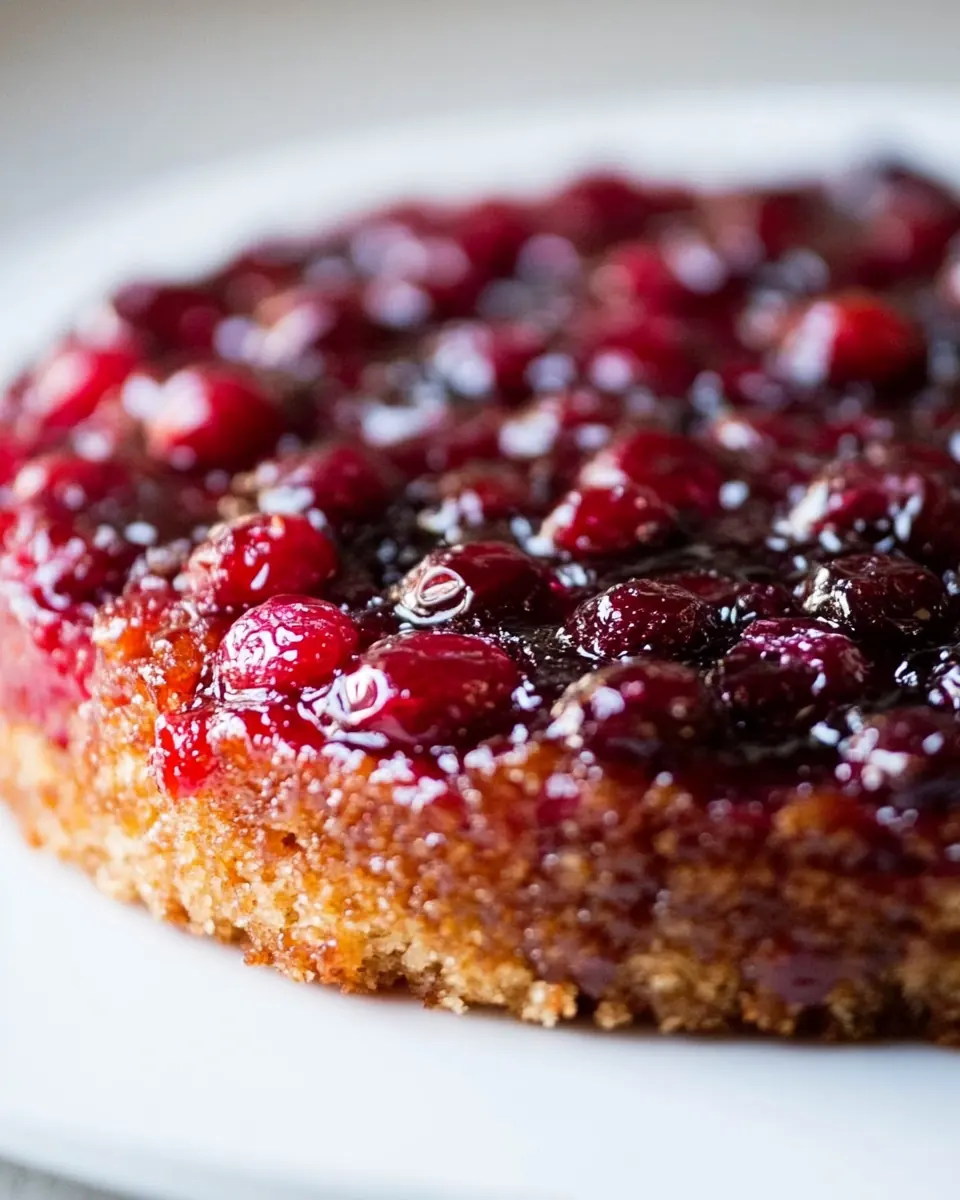
Bake the cake until the top is golden brown and a toothpick inserted into the center comes out clean, about 50 minutes. Remove from the oven, wait 10 minutes, then run a knife around the cake. Place a serving platter overturned on top of the cake in the skillet, then using oven mitts to cover your hands, flip the two over simultaneously, until the cake releases from the pan.: As the oven transforms the batter, you will smell warm, nutty notes from the cornmeal and citrus, and the top should turn a gentle golden brown. The toothpick test ensures the center has set while keeping the topping moist. Allowing the cake to rest for 10 minutes helps the glaze settle so it will release cleanly. If you try to invert it too soon, the glaze can stick and tear the cake. Use a thin knife to loosen the edges fully and work confidently when flipping to avoid burns.