Heat butter in a large nonstick skillet over medium-high heat. Add bell pepper and onion and saute until softened, 3 to 4 minutes.: The first sensory cue you will notice is the butter melting and becoming fragrant, with a gentle foaming sound as it warms. This step matters because the hot butter is the flavor vehicle for the red bell pepper and sweet onion , coaxing their natural sugars to surface, which builds the savory foundation. If the butter smokes, the pan is too hot and you should lower the temperature to avoid a bitter flavor. A common mistake is rushing this step, which leaves vegetables underflavored, so let the butter heat until it is warm enough to shimmer but not burn.
Add garlic and cajun seasoning and saute for 1 minute. Stir in tabasco and crawfish tails. Cook 2-3 minutes to thoroughly warm the crawfish.: You will hear a steady sizzle as the vegetables hit the pan and begin to soften, releasing a sweet, roasted aroma. Visually, they will turn from bright and crisp to translucent and tender, slightly reduced in size. This technique sweetens the onion and mellows the pepper, creating depth that complements the crawfish . Avoid browning aggressively, because you want softened aromatics rather than caramelized pieces that could dominate the spread. The usual error here is crowding the pan, which steams rather than sautés; use a large skillet for even cooking.
Turn heat down to medium-low and add cream cheese and Parmesan cheese. Stir until cheeses are melted and everything is combined well.: The moment you stir in the minced garlic and cajun seasoning , expect an immediate lift in aroma as the spices bloom in the hot fat and the garlic becomes fragrant. In about a minute the mixture will smell warm and spiced, signaling that the seasoning has released its essential oils. This step is crucial because it layers savory and spicy notes into the base, helping the flavor penetrate the entire spread. A common mistake is letting the garlic cook too long, which turns it bitter, so keep this brief and attentive.
Remove from heat and stir in green onions and pickled okra.: When you add the tabasco sauce and the defrosted crawfish tails , the pan will emit a tangy, briny scent as the crawfish warms. The crawfish should heat through in two to three minutes, releasing a gentle sea sweetness and taking on the spice from the pan. This step preserves the delicate texture of the seafood; overcooking will make the tails rubbery. A typical pitfall is adding cold crawfish straight from the package without draining, which can cool the pan and make the dish watery, so ensure they are well drained and near room temperature.
Cook 2 to 3 minutes to thoroughly warm the crawfish: As you continue to cook, listen for the soft sizzle of moisture evaporating and watch the crawfish pieces turn opaque and plump. The aroma will shift to a more rounded, oceanic scent with a hint of spice. Warming them just enough preserves tenderness and allows the seasonings to adhere. Overcooking at this stage results in a dry, stringy texture, which is hard to hide once it happens. To avoid this, stir gently and test a piece for tenderness after two minutes.
Turn heat down to medium low and add cream cheese and Parmesan cheese: Reducing the heat prevents the dairy from separating as you add the softened cream cheese and Parmesan cheese . The sensory change is instant, the mixture going from chunky to satin smooth as the cheeses melt. This technique ensures a creamy emulsion that binds the ingredients, producing a luxurious mouthfeel. If the heat is too high, the cheese can break and become grainy, so keep it gentle. A mistake people make is adding cold cream cheese, which takes longer to blend and can create lumps, so always soften it beforehand.
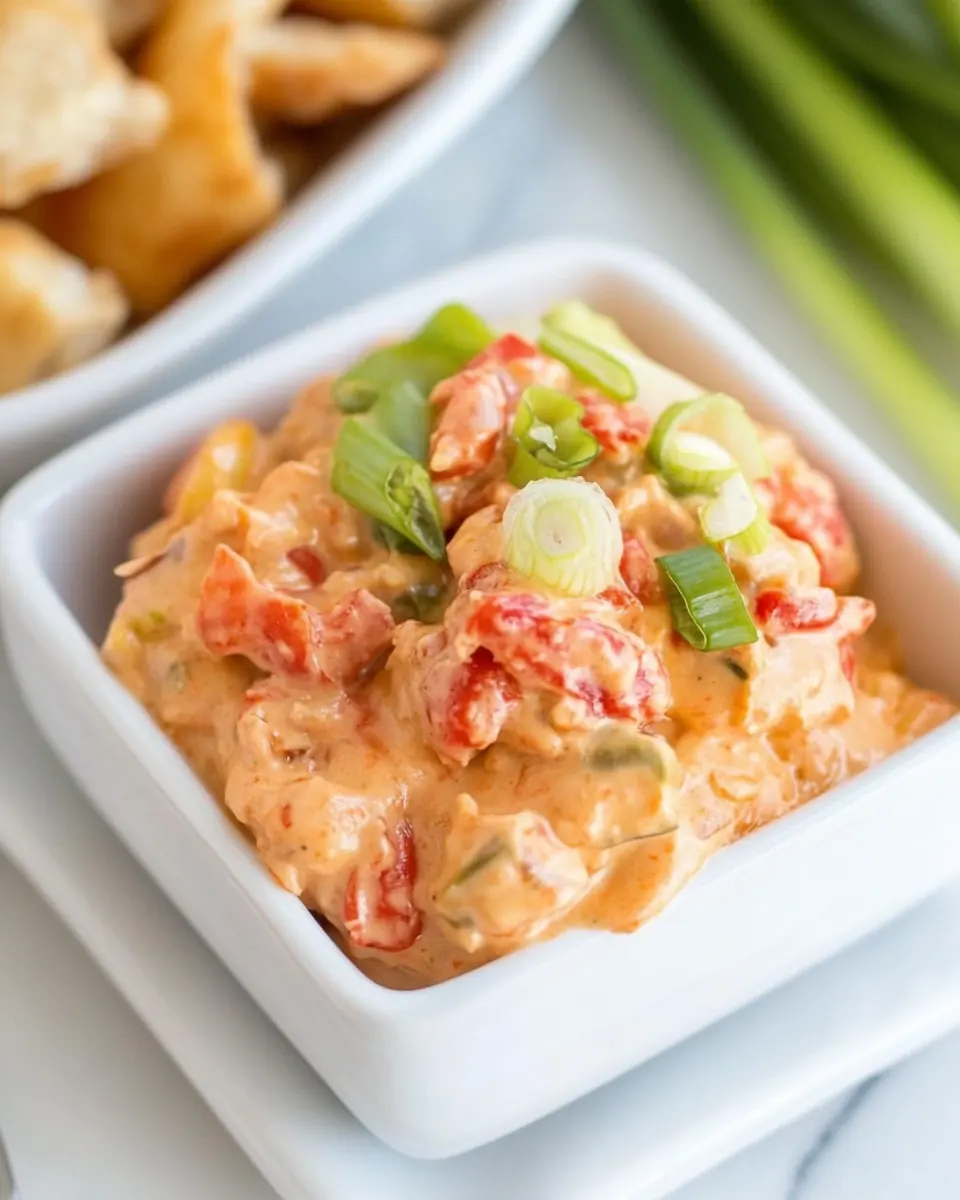
Stir until cheeses are melted and everything is combined well: You'll notice the sound soften as the mixture becomes cohesive and slightly glossy. The visual cue is a uniform, velvety texture with flecks of pepper and crawfish distributed throughout. This step is important because thorough incorporation ensures even seasoning and a spreadable consistency. If the mixture seems too loose, let it rest off heat; it will thicken as it cools. A frequent error is under stirring, leaving uneven pockets of cheese or stray clumps; take your time to smooth it out.
Remove from heat and stir in green onions and pickled okra: Once off the heat, adding the sliced green onions and pickled okra preserves their fresh bite and tang. Listen for the quiet settling sound as they fold into the warm spread and observe the color contrast that brightens the dish. This finishing touch adds brightness and acidity that cut through the richness of the cream cheese . Avoid cooking these ingredients, since heat will mute their vibrancy and soften the pickled crunch. A common misstep is stirring them in while the pan is hot, which will wilt the green onions and reduce the pop of the okra.