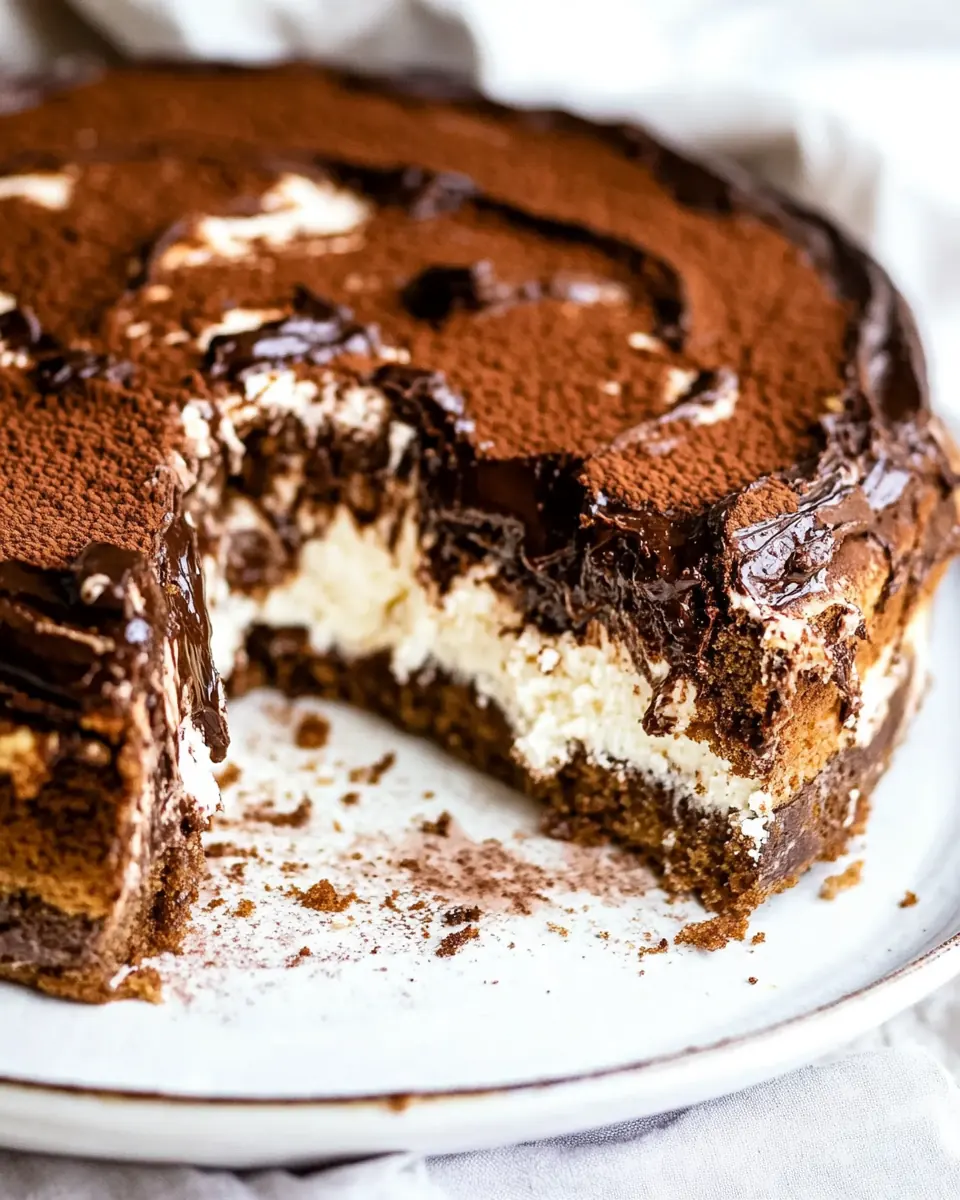
Preheat the oven to 320°F (160°C). In a mixing bowl, add butter and sugar. Beat with a stand mixer on medium speed until the mixture is light and fluffy, about 2 minutes.: The warm, dry air of a properly heated oven helps the cake develop a gentle crust while the interior sets. You should feel a slight heat when you open the oven and see the thermometer read the target temperature. If the oven is cooler than indicated, the cake may take longer to set and the filling could spread. Avoid opening the oven repeatedly during the early stages of baking, because the temperature fluctuation can make the loaf sink in the center.
Whisk the eggs and whipping cream in a clean bowl. Slowly drizzle the mixture into the butter mixture, continuing to mix until fully incorporated. Fold in the sifted cake flour, baking powder, cocoa powder, and salt using a spatula. Scrape down the sides of the mixing bowl and mix until the batter is smooth and well combined. Set aside.: As you beat the softened butter and sugar , you will notice the color shift to a paler tone and the texture become airy, which traps tiny air bubbles that expand in the oven to give lift. The sound of the mixer will be steady and the mixture should look ribbon like when the beater lifts, indicating proper aeration. If your butter was too cold, the mixture will stay lumpy and resist creaming, producing a denser cake. Scrape the bowl once or twice to ensure even mixing.
To prepare the cream cheese filling, first soften the cream cheese at room temperature. Beat the softened cream cheese with a stand mixer or electric hand mixer until smooth. Add sugar, egg, and corn flour, and continue beating until the mixture is smooth and free of clumps. Set aside.: Drizzling the beaten eggs and whipping cream in slowly tempers the batter, reducing the chance of curdling, and yields a cohesive, glossy texture. You will hear a slight change in pitch from the mixer as the emulsion comes together and the batter smooths out. If you add the liquid too fast, the batter can separate or become grainy, so pour gradually. Stop and scrape down the sides if you see streaks of unmixed butter.
Pour half of the cake batter into the pan and shake it lightly to distribute it evenly. Spoon the cream cheese filling over the cake batter. Gently add the remaining cake batter on top of the cream cheese filling. Smooth the surface with the back of a spoon.: Once the dry ingredients are folded in, the batter will take on a velvety appearance and a rich chocolate aroma will lift from the bowl. Folding preserves the air incorporated earlier while evenly distributing the cake flour and cocoa powder . Overworking at this point can develop gluten and lead to a tougher crumb. Watch for streaks of flour and stop folding as soon as the mixture looks uniform.
Sprinkle the chocolate chips on top and bake the cake for 40 minutes, or until it is firm to the touch around the edges.: The batter should be smooth, glossy, and pourable yet thick enough to hold some shape. You may notice tiny air bubbles on the surface, which is normal and helpful for a tender crumb. If the batter seems too stiff, a teaspoon of extra whipping cream can loosen it, but avoid adding more than needed. Scraping ensures no pockets of dry ingredients remain.
Cool the cake in the pan for 20 minutes. Then, remove the cake from the pan and let it cool completely on a rack before serving.: Softened cream cheese should yield easily to a spoon and have a faint tangy scent, signaling it s ready to whip into a silkier filling. Cold cream cheese resists blending and can leave lumps, so allow sufficient time at room temperature or briefly warm in short bursts in a microwave at low power.
Beat the softened cream cheese with a stand mixer or electric hand mixer until smooth.: As you beat, the texture will transform from slightly grainy to satin smooth and the smell will be rich and dairy forward. Smooth polishing of the filling ensures it will sit cleanly in the cake. If lumps remain, press the mixture through a mesh sieve or beat longer. Avoid overbeating, which can warm the filling too much and make it runny.
Add sugar egg and corn flour and continue beating until the mixture is smooth and free of clumps. Set aside.: The additional sugar and beaten egg will make the filling slightly glossy and stable, while the corn flour acts as a binder so the center stays intact while baking. You should hear the mixer briefly change in tone as the ingredients homogenize. If the filling seems watery, a touch more corn flour can help, but add sparingly to avoid a pasty texture.
Pour half of the cake batter into the pan and shake it lightly to distribute it evenly.: When the first layer settles into the pan, you will see a smooth, even surface with a faint sheen. Shaking the pan gently helps the batter level itself, preventing thin spots. If the batter clings unevenly, use a spatula to nudge it into place. Too vigorous shaking can create air pockets, so be gentle.
Spoon the cream cheese filling over the cake batter.: The filling will sit as a paler ribbon against the darker batter, offering a striking contrast. Use an offset spatula or the back of a spoon to drop the filling gently, keeping it centered so it bakes into a neat layer. If you spread it too thin, the filling may bake into the cake instead of remaining distinct.
Gently add the remaining cake batter on top of the cream cheese filling. Smooth the surface with the back of a spoon.: The top layer should be even and smooth, with the filling enclosed beneath. As you smooth, you may feel slight resistance where the filling sits, which is normal. Keep motions calm to avoid dragging the filling to the edges. If you see filling peeking through, press the batter around it to seal.
Sprinkle the chocolate chips on top and bake the cake for 40 minutes or until it is firm to the touch around the edges.: As the loaf bakes, you will notice a chocolate aroma and the top may develop a delicate crust while the center sets more slowly. The edges should feel slightly springy and the center offer slight resistance when gently pressed. If the top browns too quickly, tent with foil to prevent overbrowning. Inserting a skewer through the cake may show some moist crumbs near the filling which is expected because of the cream cheese layer.
Cool the cake in the pan for 20 minutes.: Cooling allows the structure to stabilize so the cake does not split when removed. You will see the sides pull slightly from the pan and a faint steam release as the loaf cools. If you try to unmold while too hot, the cake can break or the filling can collapse. Be patient and allow the scheduled cooling time.
Remove the cake from the pan and let it cool completely on a rack before serving.: Once on a rack, the loaf will cool evenly and the bottom will dry just enough for clean slicing. The aroma becomes more rounded and the filling firms to a sliceable consistency. Cutting while still warm risks a gooey center and torn slices, so wait until fully cool for best presentation.