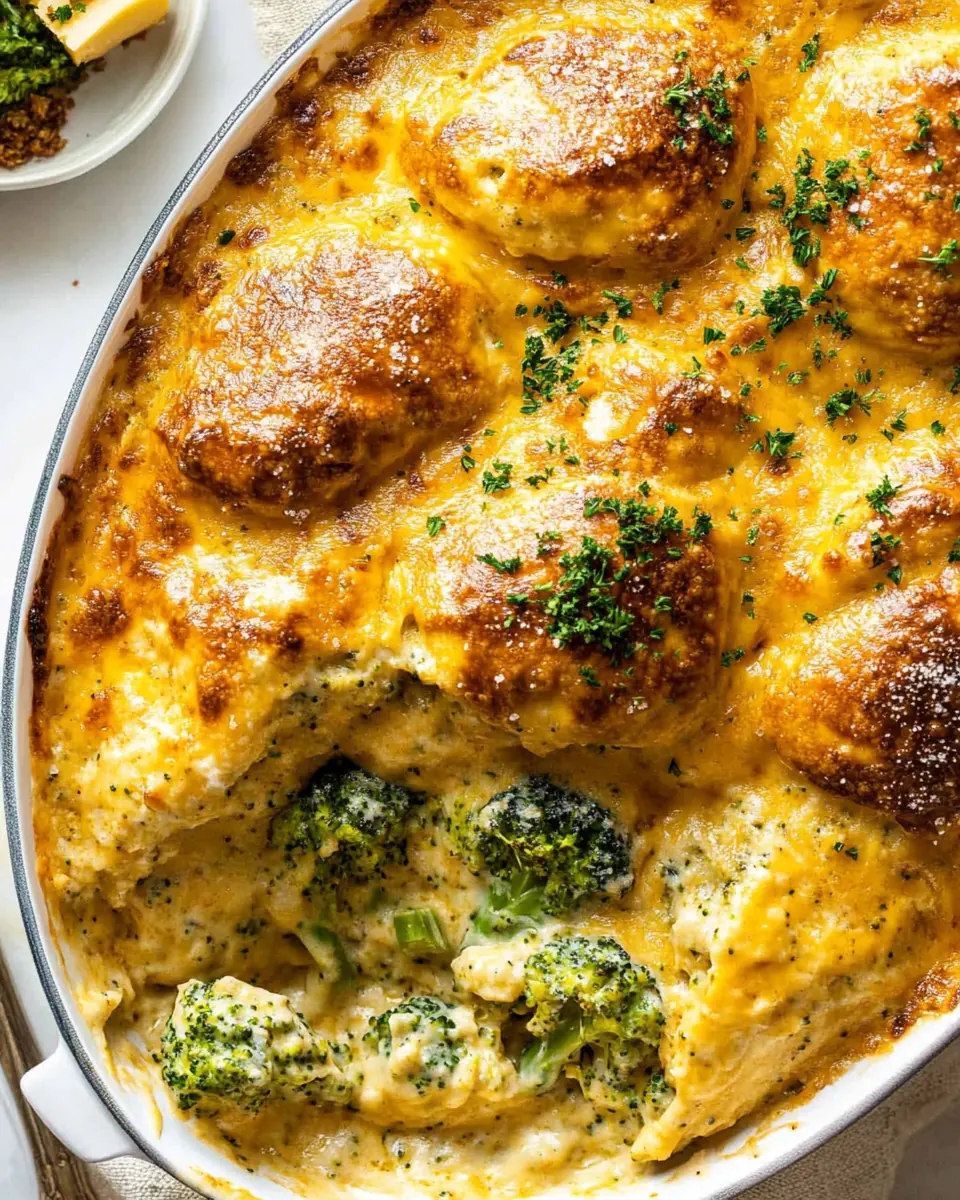
Combine the flour and instant yeast in the bowl of a stand mixer. Add the water and 3 tablespoons butter. Mix on medium speed until the dough is smooth and begins to pull away from the sides of the bowl, about 3 to 4 minutes. If the dough is too wet, add additional flour, 1 tablespoon at a time. Cover the bowl and place in a warm spot 15-20 minutes. Meanwhile, make the casserole. Preheat the oven to 425° F. Heat the olive oil, butter, and onion in a large, oven-safe skillet with sides. Cook until fragrant, about 5 minutes. Whisk in the flour, garlic, paprika, and cayenne and cook until golden, 2 minutes. Gradually whisk in the broth until smooth. Add the broccoli and a large pinch each of salt and pepper. Bring to a simmer, reduce the heat to medium and cook, uncovered, until the broccoli is tender, about 10 minutes. Stir in the milk and 2 cups of cheese until melted and creamy. Let cook 5-10 minutes, until slightly thickened. Remove from the heat. If needed transfer the mix to a casserole dish. Top with 1/2 cup cheese. Bring a large pot of water to a boil. Remove the pretzel dough from the bowl and place on a floured surface. Divide the dough into 8 equal balls. Add the baking soda to the boiling water. Boil the pretzels, 4 at a time, for 30 seconds. Remove with a large slotted spoon, then place on top of the broccoli. Brush each roll with a beaten egg, sprinkle with salt. Bake until the broccoli is bubbling and the pretzels are golden, 25 minutes. In a bowl mix 1 tablespoon melted butter with 1 clove grated garlic and the thyme. Brush the rolls with garlic butter. Top enjoy!: You will notice a faint yeasty aroma as the dry ingredients mingle, which is a good sign the yeast is active. The stand mixer lets you develop gluten gently, creating a dough that will be elastic and easy to shape, and you should avoid overmixing because it can make the dough tight. A common mistake is using water that is too hot or too cold; test the warm water on your wrist so it feels tepid. If the dough seems excessively sticky after a few minutes, a tablespoon of all purpose flour added cautiously will help without making the rolls dense.
Add the water and 3 tablespoons butter: As the water and melted butter fold into the flour mixture, you will hear the mixer change tone and see the dough come together, forming a smooth surface. The melted fat contributes tenderness to the crumb, and the dough should be slightly tacky but pull cleanly from the bowl when it is ready. If you add too much flour right away, the result will be drier rolls, so resist the urge to over correct for stickiness early on.
Mix on medium speed until the dough is smooth and begins to pull away from the sides of the bowl, about 3 to 4 minutes: You'll feel the dough transition from shaggy to smooth, and visually the surface will become glossy. This gluten development is what gives the pretzel rolls structure. Watch that the mixer does not overheat; if it becomes noisy or the dough becomes too tight, rest briefly then continue. A frequent error is under mixing, which leaves the dough weak and causes dense rolls.
If the dough is too wet, add additional flour, 1 tablespoon at a time: The tactile cue here is crucial, the dough should be soft and slightly tacky but not stick to your fingers heavily. Adding flour slowly prevents overshooting the correct hydration. If you add too much at once you create a dry dough that will not rise properly. Keep note that humidity and flour brand affect absorption.
Cover the bowl and place in a warm spot 15 to 20 minutes: During this short rest you will notice the dough relax and may see a slight increase in volume, indicating active yeast. This brief proof helps with final texture and makes the dough easier to shape. Avoid placing it near a direct heat source that could overheat and harm the yeast; the ideal spot is a warm, draft free area. Rushing this rest can lead to tighter, less airy rolls.
Meanwhile, make the casserole: As you prepare the filling, the kitchen will fill with savory aromas, and multitasking efficiently will keep things streamlined. Preparing the sauce while the dough rests means everything comes together without long waits. A common pitfall is starting the filling too late, which forces you to rush the final assembly or bake the rolls when the filling is not ready.
Preheat the oven to 425° F: The oven should be fully preheated for the casserole to bubble and the pretzels to brown correctly. You will get an even golden crust when the temperature is steady, so allow the oven at least 10 minutes to reach temperature. Opening the oven frequently while it heats will delay this, so avoid checking constantly.
Heat the olive oil, butter, and onion in a large, oven-safe skillet with sides: Gently sautéing the onion in oil and a pat of butter develops a sweet, aromatic base, and the sound will transition from a lively sizzle to a softer hiss as the onion softens. Make sure the pan is hot enough to gently sizzle without burning. If the heat is too high, the aromatics will develop bitter, charred notes that overpower the sauce.
Cook until fragrant, about 5 minutes: You will smell the onion sweeten and see it turn translucent, which signals readiness. The gentle caramelization adds depth, and cooking too briefly leaves sharp raw bite, while overcooking will remove brightness. Stir occasionally to ensure even softening and prevent sticking around the pan edges.
Whisk in the flour, garlic, paprika, and cayenne and cook until golden, 2 minutes: The flour will absorb fat and begin to toast slightly, creating a roux that is pale golden. The toasted flour aroma indicates the raw taste is cooked out, and the spices bloom, releasing a warm fragrance. Do not let the roux brown too much, as that will darken the sauce and shift flavor. If you smell burning, lower the heat immediately and stir continuously.
Gradually whisk in the broth until smooth: Pouring the broth slowly while whisking prevents lumps and creates a glossy, even sauce. You will notice the sauce become silkier as the liquid incorporates, and any whisking resistance will ease as it homogenizes. Adding the broth too quickly often creates lumps, so take a steady hand and whisk vigorously to keep the texture uniform.
Add the broccoli and a large pinch each of salt and pepper: When you stir in the chopped broccoli , the sauce will steam and the bright green florets will stand out against the creamy base. The short simmer with seasoning helps the broccoli cook through without losing color. A common mistake is over seasoning at this stage; because the cheddar cheese and broth can be salty, taste near the end and adjust gently.
Bring to a simmer, reduce the heat to medium and cook, uncovered, until the broccoli is tender, about 10 minutes: Simmering lets the flavors meld and the broccoli soften while retaining a slight bite. You will hear a gentle bubbling and see steam rising, while the florets become tender when pierced with a fork. Avoid a rolling boil that breaks down the vegetable into mush; a steady simmer is what keeps texture intact.
Stir in the milk and 2 cups of cheese until melted and creamy: Adding warm milk and then the shredded cheddar cheese transforms the mixture into a velvety sauce. You should see the cheese melt into ribbons and the sauce thicken slightly. Use freshly shredded cheese for the smoothest melt; pre shredded blends can resist melting smoothly due to anti caking agents.
Let cook 5 to 10 minutes, until slightly thickened: During this resting simmer, the sauce will lose excess moisture and cling to the broccoli . You will notice the surface slow its movement and small bubbles form at the edges. If it becomes too thick, loosen with a splash of broth. Rushing this step can leave a runny casserole that will not set properly when baked.
Remove from the heat: Stepping away from the stove gives you control for assembly, and residual heat will continue to meld flavors. This pause is a good time to check seasoning one last time. If you skip this pause and immediately top with dough, the extra steam can make the rolls soggy before baking.
If needed transfer the mix to a casserole dish: Transferring ensures even baking if your skillet is not large enough; visually you want an even layer of filling so the pretzel rolls nest properly. The casserole should be bubbling slightly when you put it in the oven. An uneven layer leads to inconsistent baking and some bites that are dryer or wetter than others.
Top with 1/2 cup cheese: A final sprinkling of cheddar cheese forms a melting blanket that binds the filling and browns attractively. The cheese will bubble and develop small golden spots in the oven, signaling readiness. Be careful not to overload with cheese, which can overpower the herbal and vegetable notes.
Bring a large pot of water to a boil: This boiling step prepares the alkaline bath for the pretzel rolls and the sound of the rolling boil signals readiness. Ensure the pot is large enough to accommodate batches of rolls without crowding. If the pot is too small, rolls will stick together and not develop proper crust.
Remove the pretzel dough from the bowl and place on a floured surface: The dough should feel springy and slightly tacky to the touch, and flouring the surface prevents sticking as you shape. Gentle handling preserves some gas bubbles for a lighter interior. Overworking the dough will make the rolls tight and less tender when baked.
Divide the dough into 8 equal balls: Evenly sized rolls bake uniformly, so dividing carefully ensures consistent color and texture across the batch. You can weigh them for precision or eyeball equal portions, smoothing each into a tight ball to encourage an even crumb. Unequal pieces lead to inconsistent baking times and uneven browning.
Add the baking soda to the boiling water: The alkaline bath created by baking soda is what gives pretzels their distinctive crust and deep color. You will see the water foam slightly when the soda dissolves. Be cautious when adding baking soda to boiling water, as it can bubble up; stir gently to dissolve fully before adding rolls.
Boil the pretzels, 4 at a time, for 30 seconds: This brief dunk changes the dough surface chemistry so the rolls brown and develop chewiness. After removing with a slotted spoon, let excess water drip off so the crust can properly form. Over boiling will make the rolls dense and gummy, under boiling results in a paler, less chewy crust.
Remove with a large slotted spoon, then place on top of the broccoli: Positioning the par boiled rolls atop the filling allows them to finish baking while sitting on the sauce, melding flavors. The contrast between hot bubbling filling and the rolls creates a delicious interaction. If you place them too close together they may not brown evenly, so allow a little space between pieces.
Brush each roll with a beaten egg, sprinkle with salt: The beaten egg gives the rolls a glossy, golden finish while the coarse pretzel salt provides crunchy, savory pops. Brush gently to cover surfaces without deflating the rolls. Too heavy an egg wash can pool and cause uneven browning.
Bake until the broccoli is bubbling and the pretzels are golden, 25 minutes: In the oven the casserole will start to bubble at the edges and the pretzel rolls will develop a deep golden brown, producing a toasty aroma. Check near the end to avoid over browning of the rolls. Baking too long can dry the filling and make the rolls overly firm.
In a bowl mix 1 tablespoon melted butter with 1 clove grated garlic and the thyme: This fragrant butter brightens the finished rolls, and the grated garlic releases intense aroma that pairs beautifully with the herbaceous thyme . Mixing these fresh preserves vibrancy; if you cook the garlic first it will mellow and lose some edge. Taste and adjust the thyme amount to your preference.
Brush the rolls with garlic butter: Brushing right after the bake lets the butter melt into the warm crust, infusing the rolls with a glossy sheen and immediate aroma. You'll see the butter soak into cracks, and the smell is irresistible. If you wait too long the butter will harden and not penetrate as well.
Top enjoy: The final moment is hearing the soft crackle of the warm rolls as you cut into the casserole, and tasting the harmony of creamy filling and savory pretzel crust. Serve warm for the best contrast of textures, and resist letting it sit too long or the pretzels will lose their crispness. A common oversight is attempting to reheat without moisture, which can dry out the filling; add a splash of broth if reheating.