In a large pot over medium heat, melt 1 tablespoon of the butter and add the olive oil. Add diced onion, carrots, celery, and bell pepper and sauté 7–9 minutes. Add garlic and sauté 30 seconds more.: The pan will start with a gentle shimmer from the olive oil , and as the butter melts you'll hear a soft hiss when the vegetables hit the surface. After a few minutes the onion will become translucent and the edges of the carrot and red pepper will take on a faint golden color, releasing sweet, savory aromas. Stir intermittently so everything cooks evenly and the vegetables soften without browning too quickly. You want the veggies tender and aromatic, not charred, because their softened sugars build the base flavor of the soup. A common mistake is cranking the heat too high which causes the vegetables to burn on the edges, leading to bitterness. If that happens, lower the heat and add a splash of broth to scrape up fond and balance the taste.
In a separate pot, cook tortellini according to package directions (see note 2). Drain and set aside. (Salt the pasta water once boiling; I add in 1 teaspoon salt to every 4 cups of water.): The water should be at a lively boil before you add the tortellini , which helps the pasta cook evenly and prevents sticking. After the pasta goes in you'll notice the water foam and the scent of fresh pasta; stir gently so the pockets don't clump. Cook just until al dente so the tortellini holds a tender bite when added to the soup later. Drain promptly and toss with a tiny drizzle of oil or leave plain, then set aside in a warm bowl. Overcooking is the usual issue here, which leads to mushy pasta once it sits in the soup. Time the pasta so it's ready to go when you serve, or refrigerate separately for leftovers and rewarm with broth.
Add the seasonings to the pot with the veggies—dried thyme, dried oregano, Italian seasoning, and cayenne pepper (if using). Season to taste with salt and pepper. (I add 1 teaspoon salt and 1/2 teaspoon pepper, but add to preference.) Stir seasonings for 30 seconds.: When you sprinkle in the dried thyme , oregano , and Italian seasoning , the pan will release an herbaceous perfume as the spice oils warm and bloom. Stirring for a short moment lets the herbs become fragrant without drying out. Tasting at this stage is key because these seasonings form the aromatic profile of the final soup. Too much salt early can’t easily be undone, so season incrementally and adjust later. A common misstep is skipping this step, which results in under seasoned broth that feels flat; taking the extra 30 seconds to toast the herbs lifts the overall flavor noticeably.
Increase heat to medium-high. Push veggies to the sides of the pot and add the remaining 4 tablespoon butter to the center and stir until melted. Once melted, sprinkle in the flour. Briskly mix to incorporate the flour and stir for 1 minute to cook off the raw flour. Gradually whisk in 1 cup of chicken broth until it starts to thicken (1 minute); then add the remaining chicken broth. Whisk until it thickens (2–3 minutes), then gradually add the milk, stirring constantly. Slightly reduce the heat and cook, continuing to stir, until mixture begins to gently boil and thicken, another 2–5 minutes.: You will see the butter foam and then calm as it melts fully, and placing it in the center creates a hot pocket for the flour to sizzle briefly. The flour should hit the butter and make small bubbling noises, releasing a toasted, nutty scent as you briskly incorporate it. Stirring for about a minute cooks off the raw flour taste, which is important so the final broth remains smooth and not pasty. The heat should be controlled so the roux develops without browning too darkly. A slip here is not cooking the flour long enough, which leaves a chalky aftertaste, or overheating, which can create a bitter, dark roux. Aim for a pale golden paste before moving on.
Reduce heat to medium low. Add the frozen corn and chicken. Stir to warm through. (If the soup has thickened too much, add some additional chicken stock; I usually add 1/2 cup to 1 cup extra).: As you whisk in the first cup of chicken broth , the roux will loosen and a glossy sauce forms, sounding like a light bubbling as starch wakes up. Adding the rest of the broth and then the milk slowly prevents lumps and builds a velvety texture. The mixture will move from translucent to opaque, and you should see it coat the back of a spoon. Keep the heat moderate; too high will scald the milk or break the emulsion, creating a grainy texture. If the soup is too thick after simmering, thin it with extra broth. A typical error is pouring all the liquid in quickly, which can create lumps, so patience while whisking pays off.
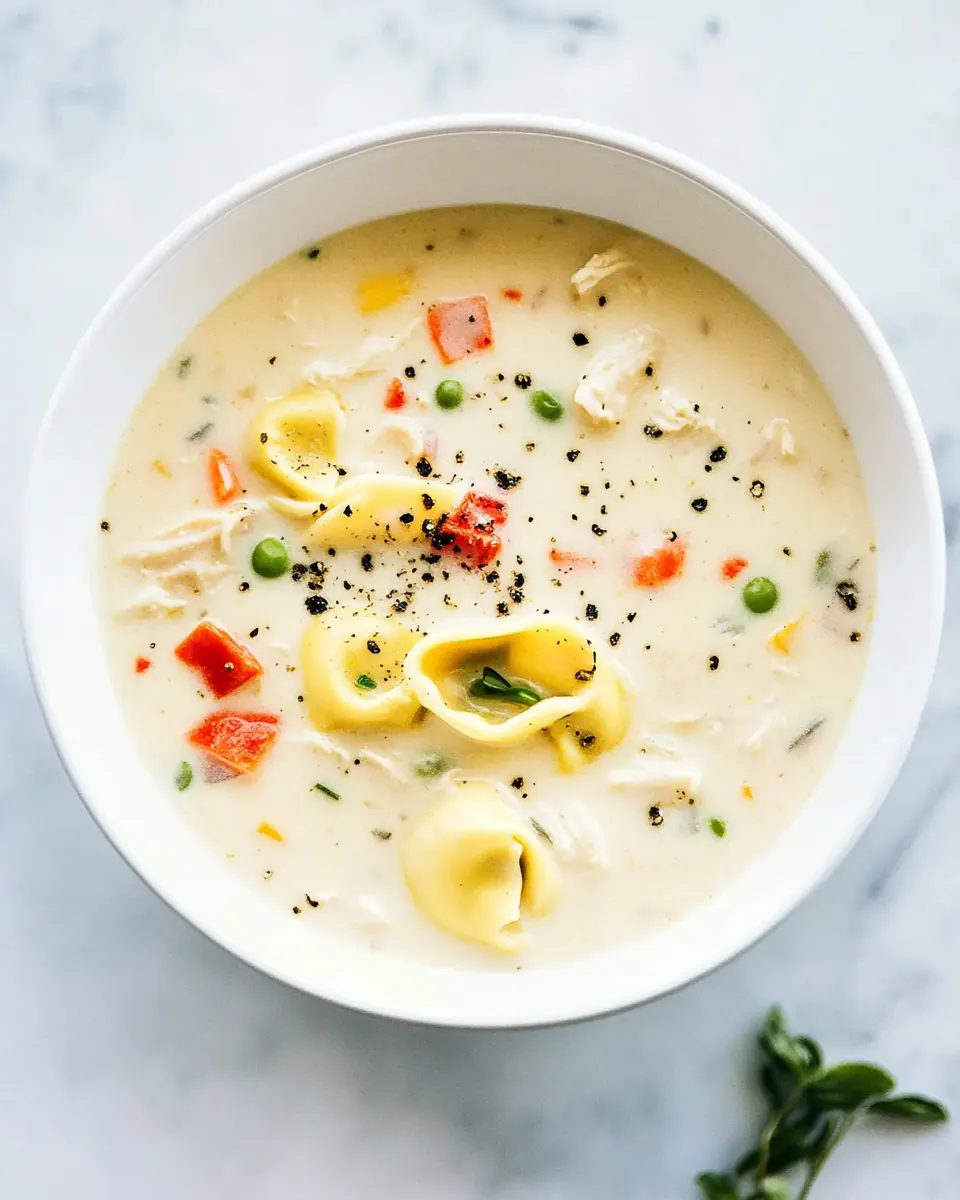
Remove pot from heat and add the cheese. Stir to melt. Season soup to taste with any additional salt and pepper. Add parsley (if using). Serve, adding tortellini to individual bowls. Garnish with fresh thyme and serve with crusty bread if desired.: When the corn hits the warm broth it will release a sweet, toasty fragrance as it defrosts, and the shredded chicken will gently heat, giving off savory notes that mingle with the milk and herbs. Stirring ensures even temperature and prevents pockets of cold. Check the thickness; the soup should flow but still feel substantial. If it clings too much to the spoon, loosen with reserved chicken broth . A common misstep is overcooking the corn so it loses its snap, so add it just long enough to warm through.
Remove pot from heat and add the cheese. Stir to melt. Season soup to taste with any additional salt and pepper. Add parsley (if using). Serve, adding tortellini to individual bowls. Garnish with fresh thyme and serve with crusty bread if desired.: Off the heat, folding in the shredded Cheddar cheese yields a glossy, slightly thickened finish as it melts gently into the warm broth. The residual heat is enough to incorporate the cheese without causing it to separate, giving a creamy mouthfeel and a sharp, savory lift. Taste and adjust seasoning with salt and pepper , then add chopped parsley or sprigs of thyme for freshness. Spoon the hot soup into bowls and place a portion of cooked tortellini into each one so the pasta stays tender and not soggy. Avoid boiling after adding the cheese, as repeated boiling can make the dairy break and become grainy. Serve promptly for the best texture and flavor.