Freshly grate the zucchini. Place it in a large kitchen towel and squeeze out as much of the liquid as possible.: The moment the grated zucchini falls into your bowl you will notice a fresh, green scent and a wet weight that signals juice to be released. Squeezing the grated pieces in a towel removes excess water so the final sauce is creamy instead of watery. If you skip squeezing, the pan will steam rather than caramelize, producing a dull texture. A common mistake is over squeezing and losing too much green flavor, so aim for firm pressure that removes most, but not all, moisture.
Heat the butter and olive oil in a large skillet or dutch oven over medium heat. Add the zucchini with a big pinch of salt and pepper. Stir to toss. Cook, stirring over, until the zucchini melts down and becomes caramelized, about 20 to 25 minutes. Stir in the garlic.: As the unsalted butter melts into the olive oil , watch for a gentle shimmer on the oil surface and a faint nutty aroma from the butter. This combination creates a stable cooking fat and helps the zucchini develop color. If the pan is too hot, the butter will brown too quickly, creating bitter notes, so keep the heat steady. Stirring occasionally encourages even contact and prevents sticking, but avoid constant stirring which prevents browning.
While the zucchini cooks, bring a pot of salted water to a boil and cook the bucatini. When it’s finished, reserve 2 cups of the starchy pasta water.: When the zucchini meets the pan you should hear a soft sizzle and begin to smell a vegetal sweetness. The salt draws moisture out, helping the shreds to collapse and caramelize. Patience is key here as the zucchini will reduce dramatically; rushing by increasing heat can cause uneven browning. One trap is under seasoning early, which results in a bland final sauce, so season confidently.
Transfer the pasta to the pan with the zucchini - you can take it right from the pot and place it in the zucchini skillet. Add 1 cup of the reserved water and the heavy cream. Stir and toss until combined. Stir in the lemon zest and the finely grated parmesan.: Gentle tossing integrates the fat and ensures each shred touches the hot surface, promoting even color and a silky mouthfeel. As you cook you will see the zucchini go from bright and wet to glossy and tender, and its aroma will shift toward toasted sweetness. Avoid vigorous stirring which will break the shreds apart and create a mushy texture; instead, use turning motions so pieces keep some structure.
Add another 1/2 cup of the starchy water, stirring to combine. Add in the fresh basil and chives. Taste and if needed, add in more salt, pepper or lemon zest or parmesan.: Over the course of cooking the zucchini will darken at the edges and develop a concentrated, almost jam like scent that signals deep flavor. This slow transformation builds complexity and avoids a raw vegetal taste. If you notice the pan drying too much, add a splash of reserved pasta water later to rescue the texture. A frequent misstep is impatience, ending the step early and missing the depth that caramelization provides.
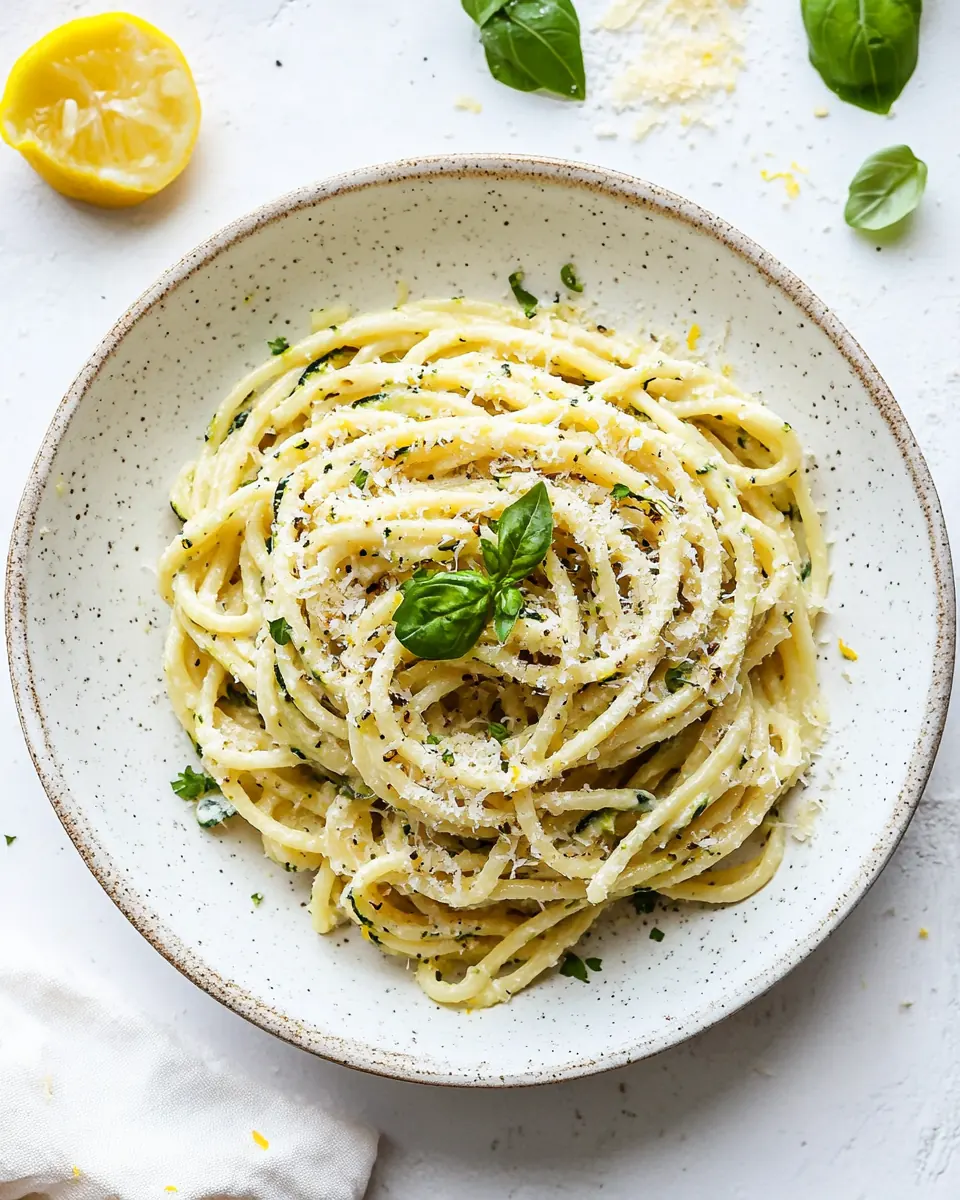
Top the pasta with the shaved parmesan and a bunch of fresh basil. Serve immediately!: When you add the minced garlic the air will fill with sharp, savory notes that mellow as it cooks. Garlic should be added late so it softens without turning bitter; five to sixty seconds of gentle cooking is often sufficient. If garlic is added too early or the heat is too high it can char and impart a burnt flavor, which is hard to mask later. Keep the garlic moving in the pan so it cooks evenly.
While the zucchini cooks, bring a pot of salted water to a boil and cook the bucatini: The sound of water rolling into a boil and the scent of salt remind you that good pasta begins with seasoned water. As the bucatini cooks, it will release starch that becomes crucial for the sauce. Timed properly, the pasta will be al dente, offering slight resistance and a tender interior. Overcooking the pasta results in loss of structure and prevents the sauce from clinging properly, so test a strand a minute or two before the package time suggests.
When it’s finished, reserve 2 cups of the starchy pasta water: The reserved pasta water will appear slightly cloudy and fragrant with starch, and it is essential for creating an emulsion that binds sauce to bucatini . Use this water gradually to loosen the pan mixture while preserving creaminess. A common error is discarding this water; without it your sauce can feel flat or separate when mixed with heavy cream and cheese.
Transfer the pasta to the pan with the zucchini: Moving the hot bucatini directly into the zucchini pan lets the starch mingle immediately with the caramelized vegetables, creating a cohesive base for the sauce. The steam and pan juices will marry into the pasta as you toss. Do not rinse the pasta, rinsing removes the starch that helps the sauce cling. If space is tight in your pan, use tongs to guide strands while preserving the reserved water.
Add 1 cup of the reserved water and the heavy cream: The first addition of starchy water and heavy cream will transform the pan into a glossy, silky sauce. You should see a gentle gloss form as the starch and cream combine. Stirring at this stage encourages emulsion and prevents the cream from breaking. If the sauce seems too thin, let it reduce slightly on low heat; if it looks grainy, a splash more warm water and vigorous stirring will smooth it out.
Stir and toss until combined: As you toss the pasta with the sauce you'll notice the bucatini become coated in a silky film and the aroma will be rich with lemon and cheese. This action helps the pasta absorb flavor while keeping the sauce cohesive. Forceful tossing can fracture the pasta, so be gentle and rhythmic. If the sauce separates, a small addition of warm reserved water and steady stirring usually brings it back together.
Stir in the lemon zest and the finely grated parmesan: The grated lemon zest releases bright oils and elevates the sauce, while finely grated parmesan cheese melts quickly to add umami and thickness. Add the cheese off heat or on low to prevent graininess, and fold in zest toward the end for maximum fragrance. Overheating after adding cheese can cause it to clump, so moderate temperature control is important.
Add another 1/2 cup of the starchy water, stirring to combine: The additional pasta water fine tunes the sauce consistency, making it silky enough to cling without puddling. Watch how the sauce gloss increases with each splash, and stop when you reach a ribbon like coating on the pasta. A typical mistake is adding too much water at once; add gradually so you can control texture precisely.
Add in the fresh basil and chives: When you fold in the chopped basil and chives , expect a rush of herbaceous aroma and a bright green color contrast. These herbs bring freshness that balances the richness. Add them at the end so they retain fragrance and some texture. If added too early, they will wilt and lose their vibrant flavor.
Taste and if needed, add in more salt, pepper or lemon zest or parmesan: This final seasoning stage is where the dish finds its voice. Tasting will reveal whether the sauce needs a touch more salt to brighten, or extra lemon zest for lift. Adjust in small increments and taste between additions to avoid oversalting. A pitfall here is relying only on salt when acidity or herb freshness could provide the needed balance.
Top the pasta with the shaved parmesan and a bunch of fresh basil: The finishing touches add texture and perfume, with ribbons of shaved parmesan cheese melting slightly into warm nooks and fresh basil leaves offering aromatic bursts. This final presentation step elevates the plate visually and in flavor. If the cheese melts away entirely, add a few fresh shavings at the table for contrast.
Serve immediately: Serve the dish hot so the sauce feels glossy and the herbs remain vibrant. As it cools, the sauce will thicken and the herbs will wilt, so prompt serving preserves the intended experience. Reheating gently with a splash of reserved water can revive leftovers, but fresh is best.