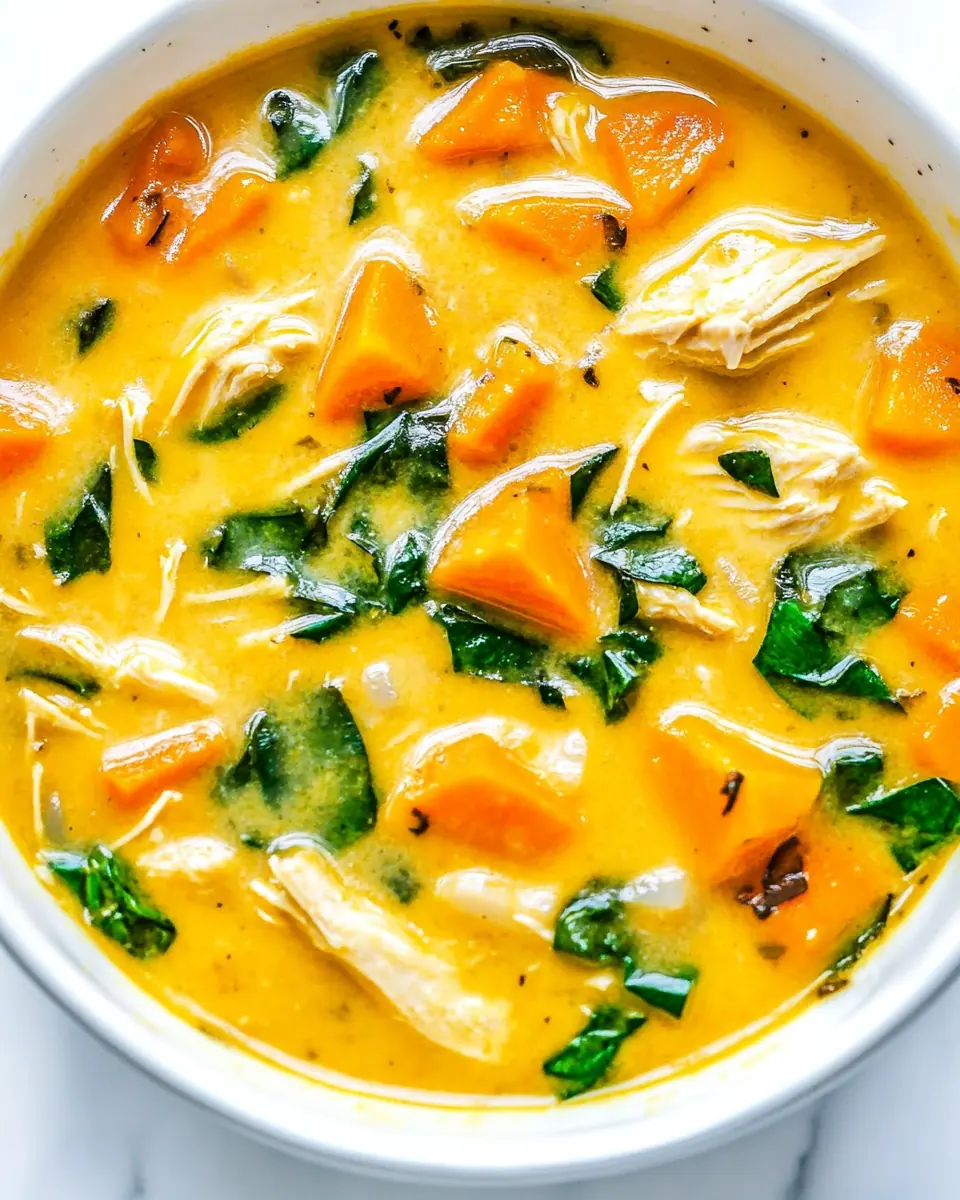
Being by poaching chicken. To a medium kettle, add the chicken breasts, cover with about 2 inches of water, salt the water to taste (about 1 or 2 teaspoons kosher salt), bring to boil over medium-high heat, and allow the chicken to boil for about 10 to 15 minutes, or until poached and cooked through. Tips– Don't overcook your chicken once it's done. Cooking time will vary on how thick the chicken breast(s) are, how rapidly your water is boiling, etc. While chicken in poaching, start sautéing the vegetables in step 3 so that you are multi-tasking and saving time. You can also use store bought shredded rotisserie chicken or leftover chicken if you have it on hand.: You will notice the water begin to move slowly and then build to a gentle rolling boil, carrying the aroma of the chicken outward. The why here is that poaching keeps chicken tender and juicy, avoiding drying that can happen with high heat methods. Listen for a soft bubbling rather than an aggressive, violent boil which can toughen the meat. A common mistake is letting the water boil too hard, which causes the chicken fibers to seize and become stringy; aim for a steady simmer. After removing the chicken , let it rest for a few minutes so the juices redistribute, which preserves moisture when you shred it.
When the chicken is done, remove it from the water, and allow it to rest for 5-10 minutes on a cutting board before shredding it with two forks. I save the poaching water and add this into my stockpot in step 5 although it's optional.: The surface will be opaque and the juices should run clear when cut, with a faint steam carrying savory notes into the air. Resting is crucial because hot meat continues to cook slightly, and shredding too soon can squeeze out flavorful juices. I always let it cool for about 5 to 10 minutes before shredding to avoid drying the meat. One mistake is shredding while it is piping hot which can make the strands clump together; cool it slightly for neat, tender shreds.
To a large Dutch oven or stockpot, add the olive oil, onion, carrots, celery, and sauté the vegetables over medium-high heat for about 7 minutes, or until they're beginning to tenderize; stir intermittently.: As the vegetables hit the warm oil you will hear a gentle sizzle and smell sweet, savory steam rising. Sautéing softens the aromatics and releases sugars which deepen the broth's flavor. Stir intermittently to prevent sticking and encourage even browning, and watch for the onions to turn translucent and the edges of the carrots to show slight caramelization. A frequent error is cooking on too high heat, which scorches the aromatics and makes the soup bitter; keep it at medium to medium high so they soften without burning.
Add the garlic and cook for 1 minute, or until fragrant; stir nearly continuously.: The moment you add the garlic you'll be hit with a fragrant burst of aromatic sulfurous sweetness; this only takes about a minute to awaken its flavor. Stir nearly continuously and remove from direct contact with the pan if browning occurs, since burnt garlic brings an acrid taste. Garlic becomes fragrant quickly, so avoid overcooking which leads to bitterness; keep your motion steady and gentle for even release of aroma.
Add the chicken stock (it will bubble up vigorously and steam when it makes contact with your hot pan so use caution), sweet potatoes, oregano, coriander, salt (See Notes about starting with half the quantity of the spices and seasonings), pepper, and allow mixture to boil for about 12 to 15 minutes, or until sweet potatoes are fork tender and done. If you poached chicken rather than using rotisserie or leftover, I add the poaching water now to the Dutch oven for extra flavor. If you like a super thick soup/stew, then don't add it; it's probably only about 1.5 cups liquid but add it optionally and to taste.: When the stock hits the pot, steam will rise and the pot will sound lively as bubbles form, this is when flavors begin to meld. The sweet potatoes will soften as the liquid simmers, thickening the broth naturally. This step is important because simmering extracts flavor from the potatoes and herbs, creating a unified base. A common issue is overcooking the potatoes until they disintegrate; monitor them and test for fork tenderness to keep some structure. If you reserved poaching liquid, adding it now can enrich the broth but be mindful of overall salt, so taste before you finish seasoning.
Halfway through boiling the sweet potatoes, add the optional mushrooms if you're using them, and add in the shedded chicken so that it can rewarm a bit.: As you fold in the diced mushrooms and shredded chicken you will notice a new umami lift and the chicken warming and melding into the broth. The mushrooms release earthy moisture, and the chicken soaks up the surrounding flavors. This staged addition prevents overcooking delicate ingredients while ensuring they absorb the simmering flavors. A mistake to avoid is adding them too early, which can cause the chicken to dry and the mushrooms to turn rubbery; timing matters for texture retention.
Turn off the heat, add the spinach, and stir for about 1 minute, or until wilted.: The leafy spinach will immediately wilt, turning a vibrant green and releasing a fresh vegetal aroma that brightens the pot. Adding it off heat preserves its tender texture and prevents it from becoming slimy. Stirring briefly ensures even distribution without overcooking. One error is leaving the spinach in the hot pot too long, which can make it into an unpleasant mush instead of a fresh, tender green addition.
If you're adding dairy, add it now. As stated in the blog post, the broth is great without the addition of the half-and-half or cream, so add it to taste, if you desire.: The half and half will soften the broth into a silky, cohesive texture, rounding out edges and adding richness. Pour slowly while stirring so the dairy integrates smoothly, watching for gentle steam rather than boiling which can separate cream. The key is low residual heat to blend seamlessly; overheating dairy can lead to coagulation and a grainy texture. A common pitfall is adding cold cream to a very hot soup, which may cause a slight shock; temper it by ladling some hot broth into the cream first if needed.
Taste the broth and if it tastes at all flat, boring, or dull, and you're not afraid of cayenne pepper, I like to add a generous pinch. I don't think it makes the soup spicy, rather it enhances and marries flavors together, but if you're very heat-sensitive you should probably omit it and add a bit more freshly ground black pepper. Tip– Additionally, I always recommend adding a pinch more, or a teaspoon+ more, of kosher salt if the broth tastes lackluster; always go light with the salt at first and increase after you're sure it needs a bit more.: This is where the flavors come together and reveal their final personality, a chance to nudge the soup toward bright, mellow, or spicy. A tiny pinch of cayenne can elevate flavors without making the soup overtly hot, while careful salt adjustments open up depth. Always add spices gradually, tasting after each addition, since you can add more but cannot remove excess. A mistake here is oversalting early in the process; wait until the end so you can judge seasonings after the ingredients have combined fully.
Soup will keep airtight in the fridge for up to 5 days or in the freezer for up to 4 months. Reheat leftovers very gently in the microwave or on the stove.: Proper storage maintains texture and flavor, and when reheating you should do so gently over low heat or in short bursts in the microwave to avoid breaking down the sweet potatoes and separating dairy. Thaw frozen portions overnight in the fridge and reheat slowly, stirring occasionally to maintain a uniform consistency. One common error is reheating at too high a temperature which causes splattering and potential textural loss; slow, gentle reheating preserves the soup's integrity.