Preheat the air fryer to 360ºF while you prepare the cauliflower, so it's ready to use right away.: Warm air is essential for instant crisping, you should notice the unit humming and a faint warm, toasty scent as it reaches temperature. Preheating ensures the cauliflower starts to brown on contact rather than steam, which is why this step matters. A common mistake is skipping preheat, which leads to limp, unevenly cooked florets. If your fryer runs hot or has uneven heating, lower the temperature slightly to avoid burnt edges.
Cut the cauliflower into evenly-sized pieces, making sure to cut the thick stems in half so that they will cook faster. In a large bowl, toss the cauliflower with the olive oil and salt, and use your hands to make sure the oil is evenly distributed.: As you cut, pay attention to size uniformity so pieces finish at the same time, and you will see small beads of oil coating each floret. Use your hands to rub the extra-virgin olive oil and salt into the surfaces so they look glossy but not drenched. This tactile step helps promote golden edges during cooking. Mistakes here include leaving very large stem pieces, which cook slower, or over oiling which can prevent crisping. If the pieces feel wet rather than lightly coated, blot them briefly on a paper towel.
Pour the cauliflower into the air fryer basket or tray, arranging it into roughly a single layer. (If you want to work with more than 1 pound of cauliflower at a time, you'll probably have to work in batches to get crispy results.): You should arrange the florets so air can circulate around them, leaving a little space between pieces. When properly arranged, the surface area exposed to hot air will turn golden and carry a toasty aroma. Crowding the basket is the top reason for soggy results, so work in batches rather than piling items. If you must stack, expect longer cook times and less even browning.
Set the air fryer to cook for 10 minutes at 360ºF. When the timer goes off, shake the basket to make sure the cauliflower is turned during the cooking process.: During the first cook segment you will hear a gentle sizzle and smell the beginnings of caramelization. After 10 minutes the edges should show light golden spots. Shaking redistributes pieces so different surfaces get exposure to heat, which encourages even browning. Forgetting to shake can lead to one sided charring, so be sure to give the basket a firm shake or use tongs to turn pieces, taking care not to burst delicate florets.
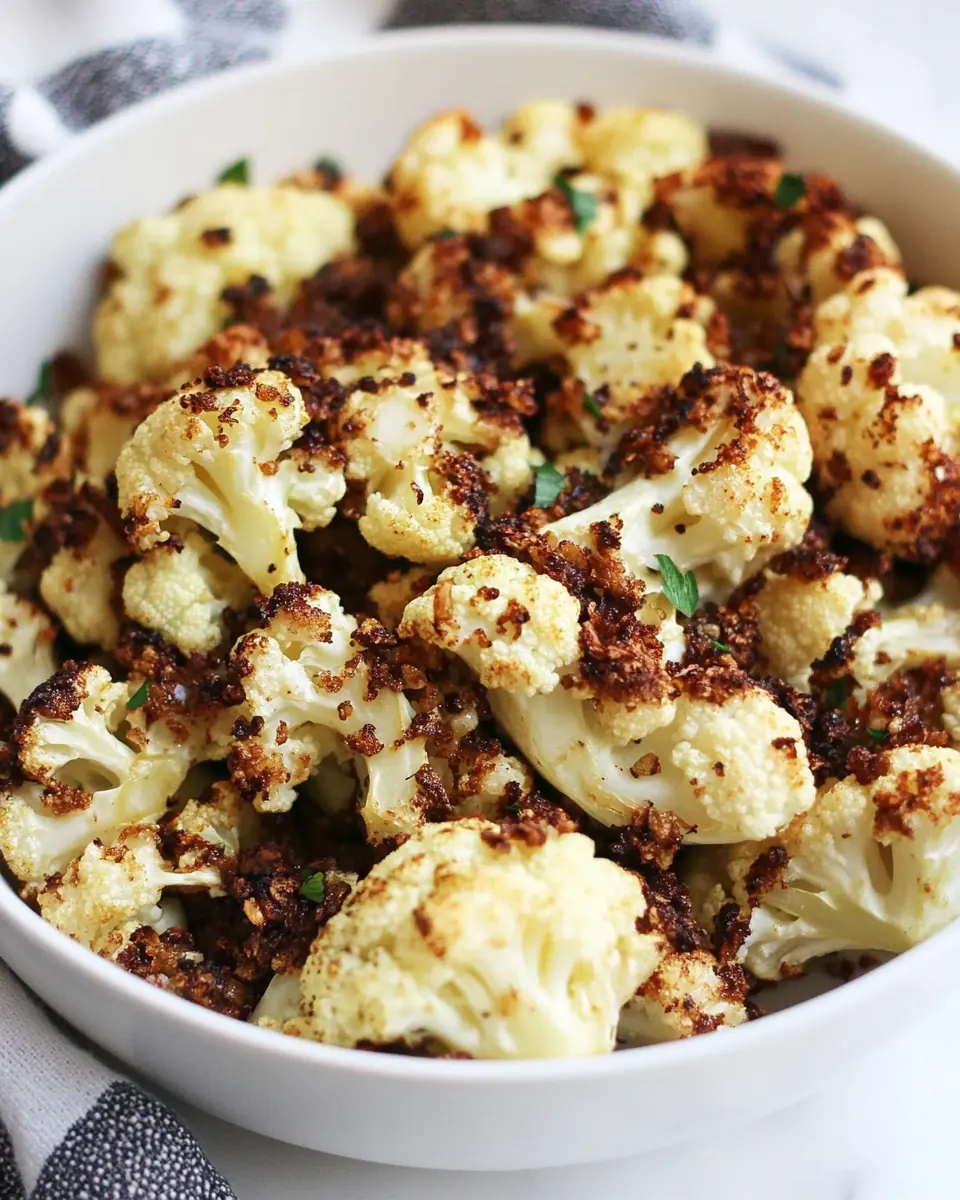
Return the cauliflower to cook for 10 more minutes. (So, you're cooking the cauliflower for 20 minutes total.): The second stage deepens color and creates the signature crisp texture, you may notice a rich, nutty aroma intensify and small browned flecks appear on the edges. This timing allows the interior to remain tender while the exterior crisps, which is the final textural balance we aim for. A common slip is overcooking in the second phase, resulting in dryness; if your fryer runs hot check at 8 minutes and adjust next time.
Serve the cauliflower warm right away, with a squeeze of fresh lemon juice to brighten up the flavor. (It's so good!) Sprinkle with freshly chopped parsley, if desired.: Warm cauliflower carries the best contrast of crispy edge and soft center, and the bright scent from freshly squeezed lemon lifts the roasted notes immediately. Finish by scattering the freshly chopped parsley to add visual freshness and a subtle herbaceous bite. A frequent mistake is serving it cold from the fridge, which mutes the crunchy appeal; serve right away for optimum texture.