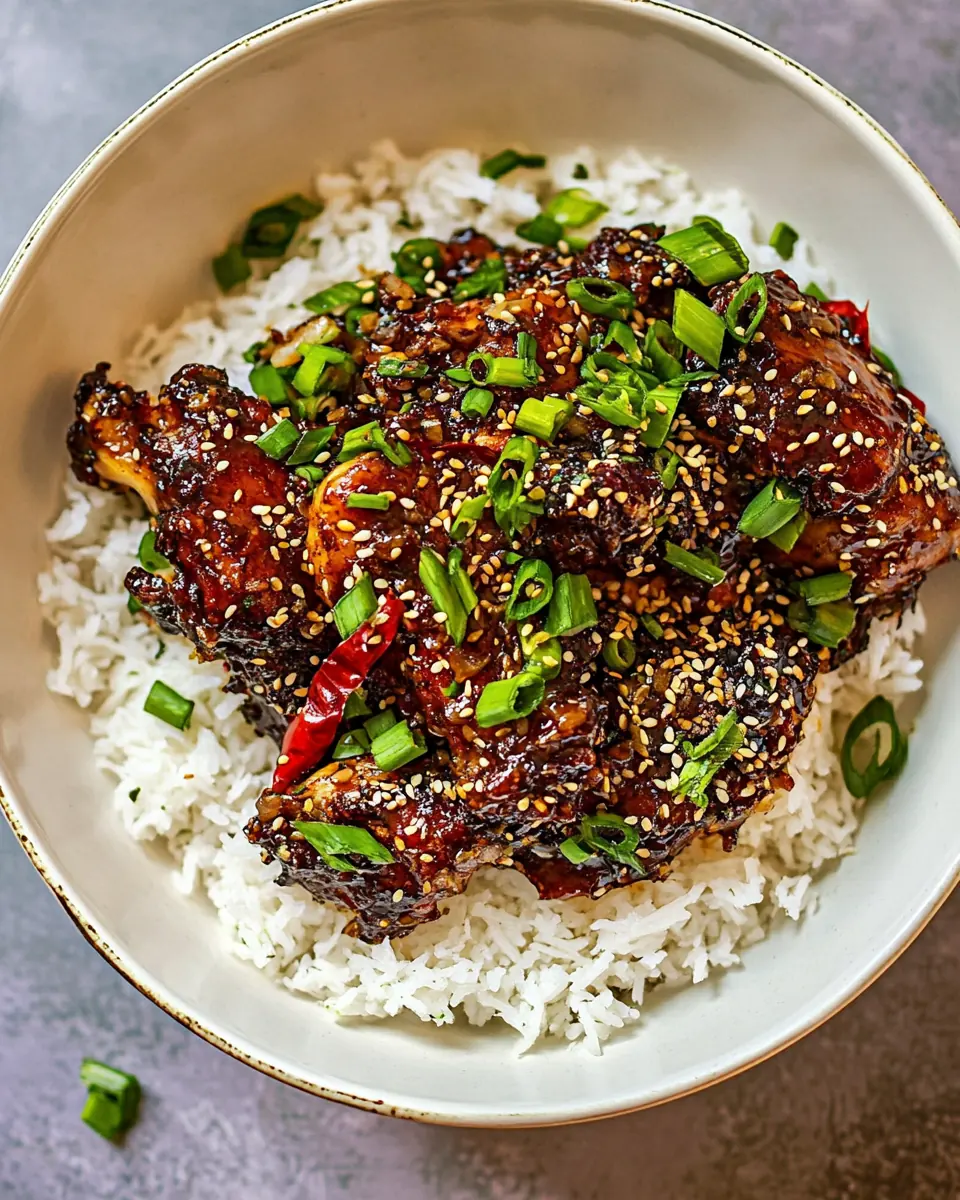
In the bowl of your crockpot, add the chicken, garlic powder, onion powder, ginger, and pepper. Toss to coat. Add the flour and toss again. To the crockpot, add the tamari, pomegranate juice, honey, molasses, peanut butter, chili flakes, and pickled ginger. Stir it all together. Add the Brussels sprouts and sesame oil. Cover and cook on low for 3-4 hours or on high for 2 hours.: Warm, earthy aromas will be faint at first, and as you toss the chicken you will feel the light dusting of spices and flour cling to the surface; this promotes better sauce adhesion later. The flour creates a tooth on the meat so the sauce thickens as it cooks. A frequent misstep is uneven coating, which can lead to patchy sauce coverage, so take a moment to rub the spices and flour over each piece.
Preheat the oven to 425° F. In a rectangular baking dish, add the chicken, garlic powder, onion powder, ginger, and pepper. Toss to coat. Add the flour and toss again. Add the tamari, pomegranate juice, honey, molasses, peanut butter, chili flakes, and pickled ginger. Stir it all together. Add the Brussels sprouts and sesame oil. Cook for 25-30 minutes, or until the chicken is thoroughly cooked and coated in sauce.: When these liquids meet the seasoned chicken , a glossy mixture forms; stir until honey and molasses dissolve into the tamari so pockets of sweetness do not remain. The scent should shift toward a sweet soy aroma with fruity brightness from the pomegranate juice; this balance is why the sauce sings. Mistakes include not mixing well, which can leave sticky clumps of honey or pockets of peanut butter that do not integrate.
Add the Brussels sprouts and sesame oil: As you nestle the halved brussels sprouts among the chicken , you will notice the sesame oil's toasted fragrance lifting the entire pot. The sprouts will absorb some sauce and release sweet caramelized notes as they cook, contrasting the meaty texture. Avoid overcrowding, which prevents caramelization and can result in soggy veg.
Cover and cook on low for 3 to 4 hours or on high for 2 hours: In the slow cooker, low and slow converts connective tissues and melts fat, producing tender, shreddable chicken with a concentrated sauce. You should smell a deep, savory aroma after an hour and see the sauce thicken toward the end. A common error is opening the lid too often, which lowers temperature and lengthens cook time, so resist peeking unless necessary.
Preheat the oven to 425° F. In a rectangular baking dish, add the chicken, garlic powder, onion powder, ginger, and pepper. Toss to coat: The oven method demands high heat to create caramelization. You will feel the spices stick to the chicken and notice the room filling with a toasty scent once the dish hits the oven. This step primes the meat for a quick roast. A pitfall is under seasoning before roasting; the heat intensifies flavors, so be generous but balanced.
Add the flour and toss again: When you dust with flour and toss, the chicken gains a light coating that browns in the oven and helps the sauce cling. The visual cue is a matte dusting turning to a slightly golden hue after a few minutes. Avoid leaving lumps on the meat, which can bake into unattractive clumps.
Add the tamari, pomegranate juice, honey, molasses, peanut butter, chili flakes, and pickled ginger. Stir it all together: Pour these liquids over the coated chicken and stir until the wet ingredients form a silky sauce pooling in the dish. As it heats, the sugars will start to caramelize, giving the dish a shiny finish. A typical mistake is pouring and not stirring, which can leave unevenly flavored spots in the pan.
Add the Brussels sprouts and sesame oil: Nestle the halved brussels sprouts among the chicken so they roast at the same rate, and drizzle the sesame oil for its aromatic lift. Visually, you want sprouts facing cut side down where possible to encourage browning. Avoid tossing them too often during roasting, as that interrupts browning.
Cook for 25 to 30 minutes, or until the chicken is thoroughly cooked and coated in sauce: In the oven you will hear gentle bubbling and smell sugars caramelizing; the sauce should reduce and cling to the meat, turning glossy and slightly sticky. Use a thermometer to confirm the chicken reaches safe doneness, and look for browned edges on the sprouts. Overcooking dries the meat, so test at the lower end of the time range if pieces are small.