To the bowl of a stand mixer fitted with the paddle attachment, combine the butter, sugar, egg, vanilla, and beat on medium-high speed until well-creamed, light and fluffy, about 5 minutes (or use an electric hand mixer and beat for at least 7 minutes).: When you begin, notice how the unsalted butter softens and picks up air, changing from a dense mass to a paler, creamier batter as the dark brown sugar disperses. The aroma will become noticeably sweet and slightly toasty as air incorporates. This aeration is essential because it creates lift and tenderness in the crumb, and the increased volume is a visual cue that you have beaten long enough. If you stop too early the dough will be heavy, and cookies may bake dense; if you overbeat with very warm butter the mixture can look oily. A common mistake is using butter that is too cold, which leaves clumps, or too warm, which reduces structure. Aim for a light, satin texture and scrape the bowl once halfway through to ensure uniform mixing.
Stop, scrape down the sides of the bowl, and add the remaining ingredients and mix on low speed until just combined, about 1 to 2 minutes.: After scraping, you will add all-purpose flour , cocoa powder , cornstarch , baking soda , and salt. Mixing on low helps avoid overdeveloping gluten in the flour , which would make cookies tough instead of tender. The batter will change from glossy to slightly drier as the dry ingredients absorb moisture, and you should still see small streaks before stopping; these will disappear with gentle folding. Overmixing here is the usual culprit for chewy but dense cookies, so stop when the last traces of dry ingredients are mostly incorporated. If you spot pockets of dry flour, use a spatula to finish by hand with a few gentle turns.
Using a medium 2-inch cookie scoop, form heaping 2-tablespoon mounds (I made 15). Place mounds on a large plate, flatten mounds slightly, cover with plastic wrap, and refrigerate for at least 2 hours, or up to 5 days, before baking. Do not bake with warm dough because cookies will spread and bake thinner and flatter.: Scooping uniform mounds is critical for even baking and consistent sizes. When you flatten them slightly, you control how they spread during baking, yielding the balance of chew and edge. The dough will firm up in the fridge and the flavors will concentrate, producing a deeper chocolate profile. If you skip chilling, the cookies will spread too much and become thin; conversely, chilling longer than recommended is fine, but if dough becomes rock hard, let it rest at room temperature for a few minutes before scooping. A common slip is using inconsistent scoop sizes, which leads to uneven baking times and textures.
Preheat oven to 350 F, line a baking sheet with a Silpat Non-Stick Baking Mat or spray with cooking spray and place mounds on baking sheet, spaced at least 2 inches apart although they don’t spread much. I bake 8 cookies per sheet.: Preheating to 350 F ensures the oven environment is ready so the cookies set correctly. The first moment the dough hits the hot sheet you will see edges begin to set, and that quick initial bake helps create a tender center while forming a thin edge. Lining with a mat or spray prevents sticking and promotes even browning on the bottom. Give each cookie enough breathing room so heat circulates, and rotate trays halfway if your oven has hot spots. Not preheating leads to overbaked or unevenly textured cookies.
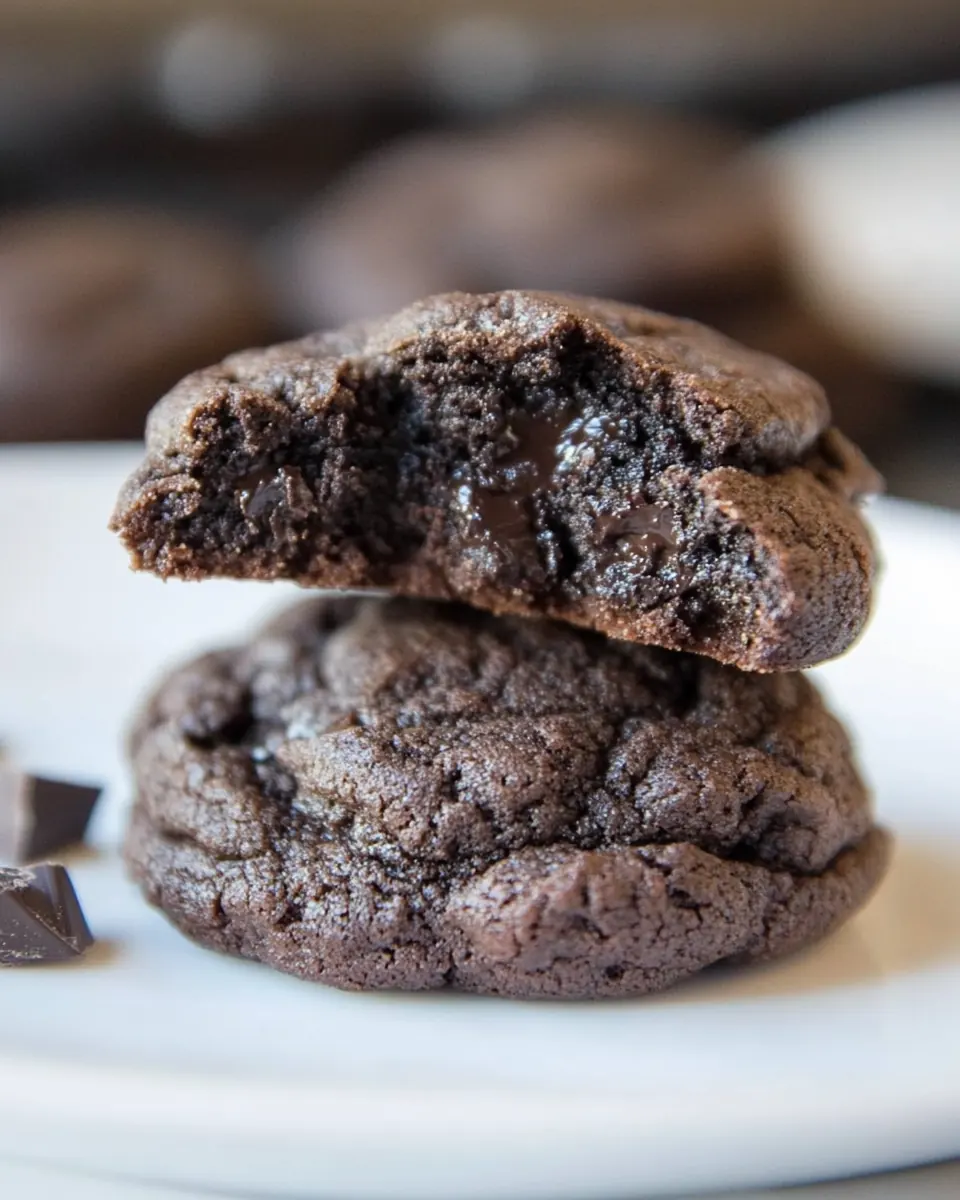
Bake for 8 to 9 minutes, or until edges have set and tops are just beginning to set. It’s hard to tell with dark cookies when they’re done, but do not bake longer than 10 minutes as cookies will firm up as they cool; baking longer causes cookies to set up too crunchy and crumbly. (The cookies shown in the photos were baked with dough that had been chilled overnight, allowed to come to room temp for 15 minutes, and were baked for 8 minutes, with trays rotated at the 4-minute mark). Allow cookies to cool on the baking sheet for 5 minutes before removing and transferring to a wire rack to finish cooling.: As they bake you may notice a slight dome flattening and the tops developing a matte finish rather than glossy. The aroma of chocolate will intensify and the edges will feel set when you gently nudge them with a fingertip. Because of the dark color, visual cues are subtle, so rely on slight give in the center and firm edges. Cooling on the sheet for 5 minutes lets residual heat finish the bake gently, preventing breakage. Overbaking is a frequent mistake here, producing dry, crumbly cookies instead of tender-chewy ones.
Cookies will keep airtight at room temperature for up to 1 week, or in the freezer for up to 3 months. Alternatively, unbaked cookie dough can be stored airtight in the refrigerator for up to 5 days, so consider baking only as many cookies as desired and save the remaining dough to be baked in the future when desired.: Stored properly, these cookies retain chew and flavor for several days, and freezing is excellent for longer storage. If freezing baked cookies, freeze flat in a single layer then stack with parchment to prevent sticking. For unbaked dough, portioning into scoops and freezing on a tray before transferring to a bag gives you ready to bake portions that can go straight from freezer to oven with a minute or two extra baking time. A common oversight is not using airtight containers, which leads to stale or freezer burned cookies.