In a medium saucepan or skillet, set over medium heat, warm the olive oil. When the oil glistens and glides swiftly when you tilt the pan, add the shallot; cook until soft and translucent, about 2 minutes. Add the diced garlic, Ancho chile powder, salt, ground cumin, diced delicata squash, juice from 1 lime and water. Mix everything together so the squash is coated in the spices. Cover the pot and cook for about 5 to 10 minutes; during this time the squash will steam a bit. Uncover the pot and give it a good stir, making sure the squash isn’t sticking to the bottom of the pot. Check for doneness by piercing it with a knife – if soft it’s done. If not, then cook for additional 5 minutes or so, adding a splash or two of water, if needed. When the squash is done, add the diced red bell pepper and black beans. Toss everything together.: You will notice the surface of the olive oil shimmer and move fluidly when the pan is at the correct temperature, releasing a gentle, fruity aroma. This moment is key because it signals the oil is hot enough to soften the shallot without burning. As the shallot hits the pan you should hear a quiet sizzle and smell the beginning of caramelized onion notes, which become the backbone of the filling. Cook the shallot until it is soft and translucent, about 2 minutes, stirring so the edges do not brown, which would add a bitter edge. If the oil smokes, lower the heat immediately to avoid an acrid flavor. A common mistake is rushing this step at too high a heat, which prevents proper softening and robs the dish of aromatic depth.
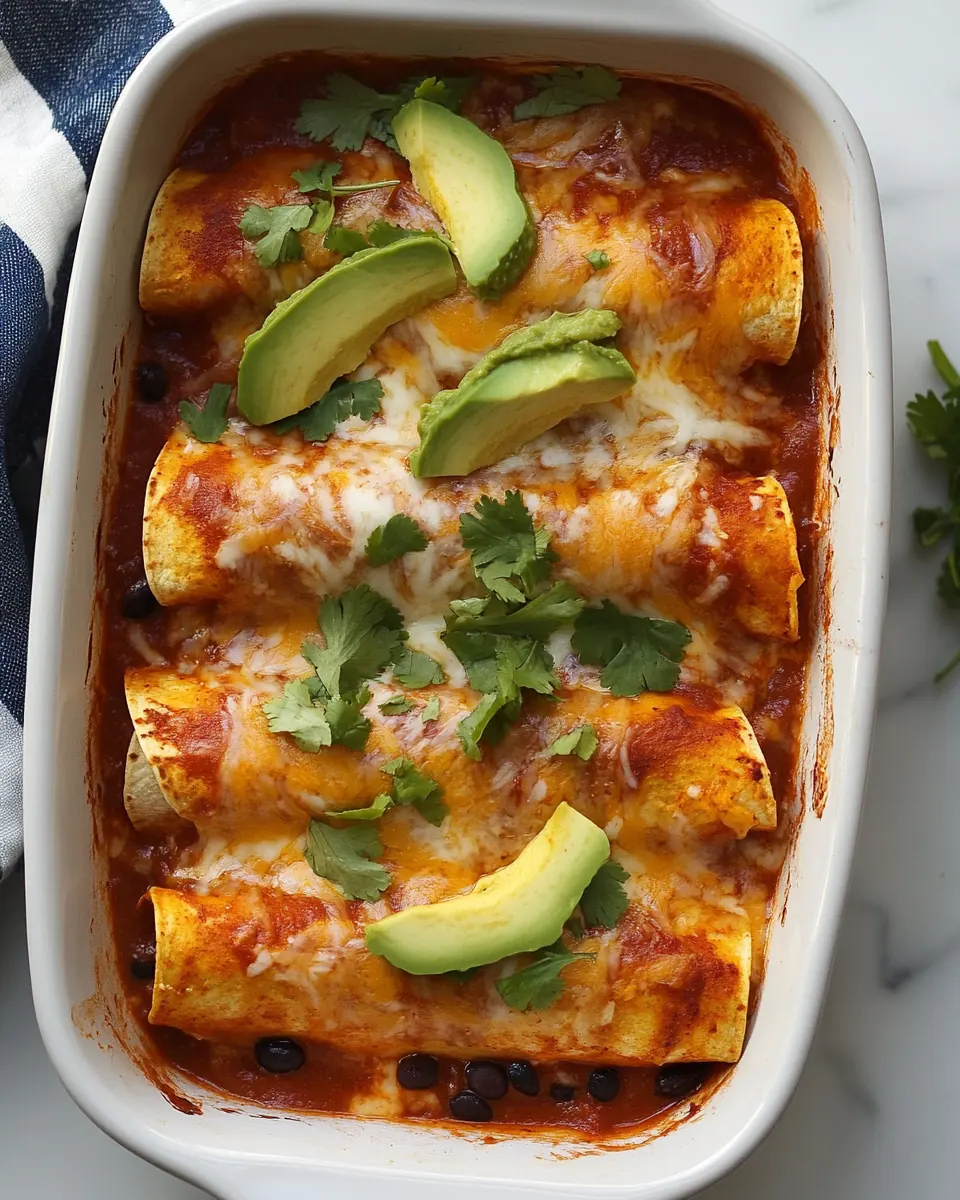
Preheat the oven to 325 degrees F. If the corn or flour tortillas aren’t very pliable, wrap them in damp paper towels and put them in the microwave for about 30 seconds. (If you don’t own a microwave, stick them in a 300 degree oven until warm.) In your baking dish (mine was about 13 x 9-inches but this can vary), add a few spoonfuls of enchilada sauce to the bottom. Spoon two to three tablespoons of the squash mixture to each tortilla. Fold over the filling and place the enchiladas in the pan, seam side down. Fill as many tortillas that will fit (I was able to fit about 8). Pour the remaining enchilada sauce over the tortillas. Top with the cheese. Transfer to the oven to bake for about 15 to 20 minutes, until the cheese is melty and the sauce looks a lil’ bubbly.: Soft, translucent shallot should coat the spoon and release a subtle sweetness, not a browned crispiness. This texture allows the garlic to meld in later without being overshadowed, and it creates a silky base for the spices to bloom. Stir frequently to keep the shallot from sticking, and lower the heat if the edges begin to color. If you see golden bits forming early on, it means the pan is too hot, so pause and scrape them up to prevent bitterness from carrying into the dish.
While the enchiladas are baking, make the lime creme fraiche. In a small bowl, whisk together the creme fraiche, lime juice and a few pinches of salt. When the enchiladas come out of the oven, top with lime creme fraiche, diced avocado and cilantro leaves.: The moment you add the Ancho chile powder and ground cumin , the pan will scent the kitchen with warm, smoky spice. The garlic should be fragrant but not burnt, a garlic aroma that is rounded rather than sharp. Toss the diced delicata squash so each piece is evenly coated and glistening, which helps the spices adhere and ensures uniform cooking. The lime juice adds a faint tang that balances sweetness, and the small amount of water initiates gentle steaming. Avoid adding too much water, which can dilute flavor and lead to a mushy texture; the goal is steam, not boiling.
Mix everything together so the squash is coated in the spices: As you stir, the mixture should look glossy and smell warmly spiced. Proper coating means every cube of delicata squash picks up a bit of Ancho chile powder and cumin , ensuring consistent flavor in each bite. This is also the moment to feel for texture when the squash starts to soften. If the pan looks dry or the spices appear clumpy, add a teaspoon or two of water to loosen things. A common issue is uneven spice distribution, so mix thoroughly and scrape the pan bottom to integrate any browned bits for richer flavor.
Cover the pot and cook for about 5 to 10 minutes; during this time the squash will steam a bit: With the lid on, steam builds and the delicata squash will soften quietly, releasing a faint vegetal sweetness. Check after 5 minutes by peeking at the pan and stirring gently to prevent sticking. You should hear a soft bubbling and see a gentle rise in steam, not a rolling boil. Over steaming leads to a too soft, loss of shape, so vigilantly test with a fork to reach a tender but intact texture. If you rush this step you risk unevenly cooked squash, with some pieces still firm and others falling apart.
Uncover the pot and give it a good stir, making sure the squash isn’t sticking to the bottom of the pot: Once uncovered, the mixture should glisten and the pan should release faint sizzling sounds. Stirring here reveals if any pieces are clinging and lets you redistribute moisture. If you notice sticking, add a splash of water and lower the heat, scraping the fond to reincorporate those browned, flavorful bits. Leaving stuck pieces can lead to burned notes that will carry through the whole dish, so this quick attention keeps flavors clean and balanced.
Check for doneness by piercing it with a knife – if soft it’s done: A fork or knife should slide easily into a cube of delicata squash with minimal resistance, yielding a buttery mouthfeel. At this point the aroma will be richer, with the spice deepening and sweetness emerging from the squash. If the knife meets resistance, cover and continue cooking in short increments, since rushing to a higher heat can cause the exterior to collapse while the interior remains undercooked.
If not, then cook for additional 5 minutes or so, adding a splash or two of water, if needed: When the squash needs extra time, add small amounts of water to create steam and keep the texture even. You will notice steam rise and a more pronounced, roasted aroma as the pieces near tenderness. Avoid drowning the pan, because excess liquid will dilute the spices and create a watery filling. A typical mistake is adding too much water at once; instead, use measured splashes and test frequently.
When the squash is done, add the diced red bell pepper and black beans: Adding the red bell pepper and black beans at the end preserves their texture and color. The pepper should retain a slight crunch and fresh sweetness, while the beans add creaminess and substance. As you fold them in, the mixture will look more cohesive and gain a mosaic of color. Overcooking the bell pepper here will make it lose its bright snap, so fold gently and heat just until warmed through.
Preheat the oven to 325 degrees F: You will feel the oven begin to warm and smell a neutral dry heat as it approaches temperature. This moderate oven ensures the enchiladas heat through and the cheese melts without the sauce scorching. Setting the right temperature matters because too high a heat browns the top before the filling is warmed, while too low will keep the cheese from the desired melty sheen. Always allow the oven to fully preheat for consistent results.
If the corn or flour tortillas aren’t very pliable, wrap them in damp paper towels and put them in the microwave for about 30 seconds: Warm tortillas bend and roll without tearing, and you can smell a toasty corn or wheaty aroma when they are pliable. The damp paper towel method steams them gently, making them easy to handle; if you do not have a microwave, a low oven warmth works too. Cold, stiff tortillas are the most common frustration here, causing tears and leaks, so never skip warming them when needed.
In your baking dish add a few spoonfuls of enchilada sauce to the bottom: A thin layer of enchilada sauce prevents sticking and creates an even bed of moisture so each rolled tortilla nests into sauce. Spoon it so the dish bottom has a glossy coating but not a pool, which could make the final bake soggy. Too little sauce can cause the tortillas to dry out at the edges, so aim for an even, thin coverage.
Spoon two to three tablespoons of the squash mixture to each tortilla: The filling should look vibrant and moist as you spoon it out, with visible pieces of delicata squash , red bell pepper , and black beans . Two to three tablespoons gives a tidy roll without overstuffing, which prevents bursting and leaking. If you overfill, the enchiladas will break during transfer, so measure roughly and leave room to tuck the edges for a neat seam.
Fold over the filling and place the enchiladas in the pan, seam side down: As you roll, the tortillas should feel warm and elastic, and the seam down placement helps them hold shape during baking. The lined enchiladas will sit snugly together, which promotes even baking and keeps the sauce from pooling between them. If seams pop open, press gently to reseal or add a little extra sauce to help them adhere.
Fill as many tortillas that will fit: Arrange the rolled tortillas so they fit comfortably in your 13 x 9 inch baking dish without crowding. The packed arrangement helps the enchiladas support each other and creates neat slices when serving. Crowding too tightly can prevent sauce circulation and uneven melting of the cheese, so leave a little room for bubbling.
Pour the remaining enchilada sauce over the tortillas: The sauce should blanket the rolls and seep into any gaps, creating a cohesive casserole. You will see a glossy sheen as the sauce covers the tortillas, and it helps encourage even melting and a slightly saucy bite. Too much sauce can make the dish soupy, so pour to cover without drowning the edges.
Top with the cheese: Scatter the shredded cheese evenly so it creates a uniform melting layer over the sauce. During baking the cheese will soften, then bubble and achieve a light golden edge in places, signaling readiness. If the cheese piles too thickly in one area it may melt unevenly, so spread it for consistent coverage.
Transfer to the oven to bake for about 15 to 20 minutes: In the oven the kitchen fills with the scent of warmed sauce, melted cheese , and toasty edges, and you may hear a gentle bubbling that tells you the sauce is hot. Bake until the cheese is melty and the sauce shows small bubbles, which creates a tidy contrast of textures. Avoid underbaking which leaves cold centers, and watch late in the bake to prevent the top from over browning.
While the enchiladas are baking, make the lime creme fraiche: Whisking creme fraiche with lime juice and a few pinches of salt yields a smooth, tangy sauce that cools and brightens the rich enchiladas. The crema should be silky and slightly thick, not runny, so it sits atop the hot enchilada without disappearing. Over whisking can thin it too much, while under seasoning will make it bland, so taste and adjust.
When the enchiladas come out of the oven, top with lime creme fraiche diced avocado and cilantro leaves: The finishing touches offer temperature contrast and fresh notes, with creamy avocado and herbaceous cilantro complementing the warm, spiced filling. The lime crema will softly melt atop the hot cheese, creating a cooling ribbon that brightens each forkful. Serve immediately to enjoy the best texture contrasts; letting them sit too long will soften the tortillas and reduce the pop of the garnishes.