Preheat oven to 350 degrees. Line a 9×13 inch pan with aluminum foil and lightly spray with cooking spray. This allows for easier removal.: As the oven warms you will notice a gentle hum and the reassuring red glow on the dial, which signals a stable environment for even baking. Preheating ensures the brownies rise and set properly rather than baking unevenly, and lining a 9×13 inch pan with aluminum foil creates an easy lift out that preserves the edges. A common mistake is placing batter in before the oven is up to temperature, which can yield uneven texture and longer bake time. Make sure the oven reaches a steady 350 degrees so the structure forms as expected.
In a medium sized bowl add oil, sugar, and vanilla extract in a bowl until combined and crumbly.: When you mix the canola oil and sugar with vanilla extract , you will first hear a soft scraping sound from your spoon and see the sugar begin to moisten. The mixture may look slightly grainy, and that is okay because the sugar will dissolve during baking and help create the shiny top. This step matters because it disperses fat and sweetness evenly, which influences texture and browning. Avoid overworking the mixture, as too much agitation can incorporate unnecessary air leading to a cakier crumb.
In another bowl combine flour, cocoa, baking soda and salt. Add the sugar mixture to the flour mixture.: As you whisk these dry components, you will see the deep brown of unsweetened cocoa mingle with the pale tan of all purpose flour , and the powder will aerate slightly. Combining them first prevents pockets of unmixed leavening or cocoa that could create bitter streaks. This technique matters because an even distribution of baking soda and salt ensures consistent rise and balanced flavor. A common error is dumping wet into a single spot of dry without stirring, which can result in lumps in the batter.
Stir the zucchini shreds into the batter until thoroughly incorporated. At this point it may seem very dry and thick. Keep mixing and the zucchini will moisten the batter. Add in the chocolate chips.: Once you fold the moistened sugar and oil into the dry ingredients, the batter will darken and thicken visibly. You may notice a faint chocolate aroma intensifying as the dry particles absorb fat. This step builds the base texture, so mix just until combined to avoid developing gluten. Overmixing at this point tends to produce a tougher brownie, so stop as soon as there are no dry streaks visible.
Spread the batter into the bottom of your 9×13 inch pan. Bake for 25 minutes or until the brownies are fairly firm and begin to pull from the sides of the pan. Allow brownies to cool.: At first the batter may feel unusually dry and crumbly, but as you fold in the shredded zucchini the mixture will become moister and more cohesive. The zucchini releases water as you mix, softening the batter and adding a subtle vegetal note that supports the chocolate. This is why shredding finely matters, it dissolves into the batter rather than creating green pockets. A troubleshooting tip is to gently squeeze very wet zucchini to remove excess liquid before adding, if your shreds are dripping, otherwise the batter can become too runny.
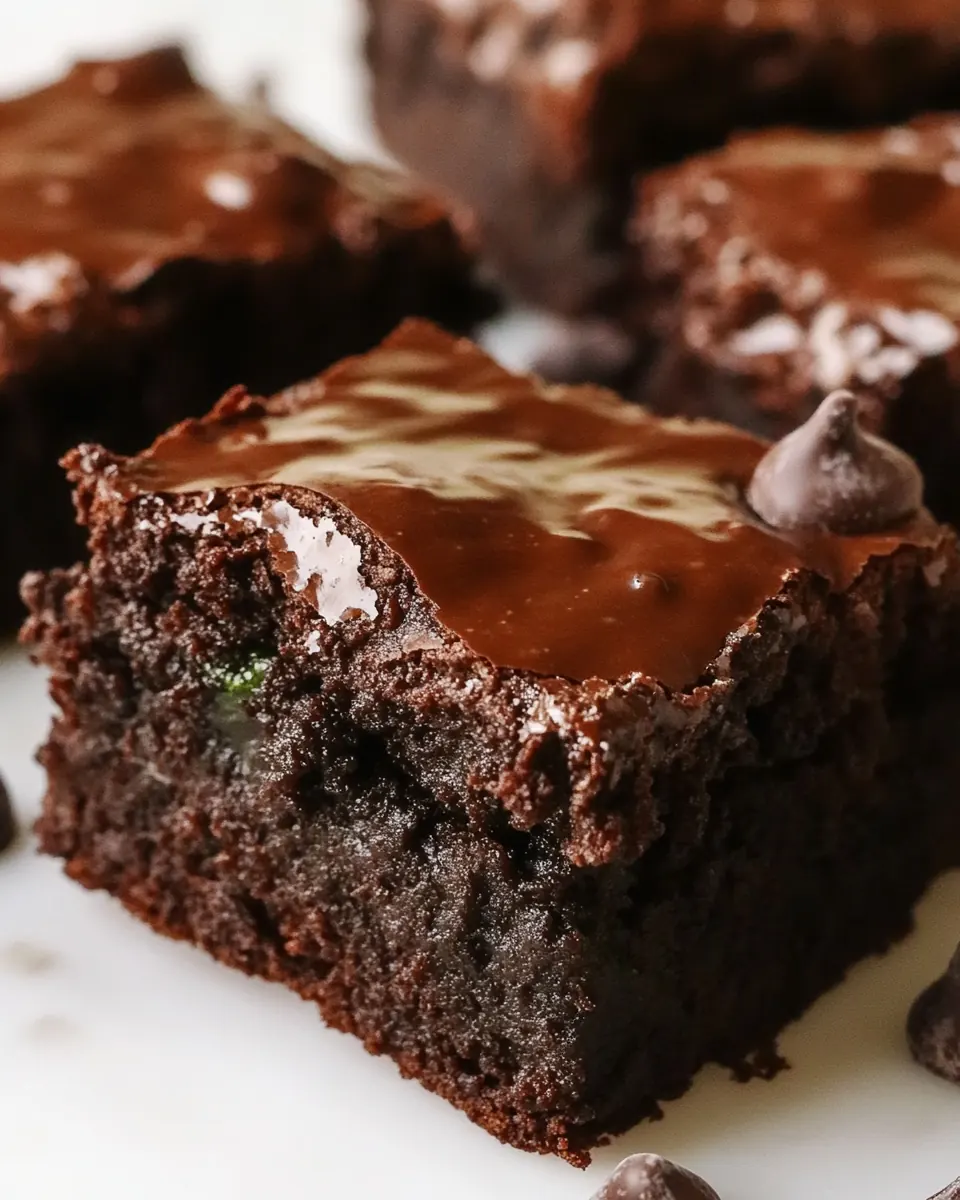
Add cocoa powder, powdered sugar and butter to a small bowl and whisk. Add in milk and vanilla and continue to whisk until smooth. Spread over brownies.: Folding in the chocolate chips introduces blobs of melty chocolate distributed throughout the batter. You will hear the soft clink of chips settling as you stir, and visually it helps you gauge even distribution. These pockets of chocolate melt into luscious ribbons while baking, adding textural contrast to the dense crumb. A mistake to avoid is overfolding which can break the chips and create streaks of hardened chocolate rather than soft pockets.
Spread the batter into the bottom of your 9×13 inch pan: As you level the batter with a spatula, notice how it smooths into a glossy, thick layer ready for the oven. Spreading evenly ensures uniform baking and consistent edge formation. If the batter pools on one side, those sections will bake differently, so take a moment to even it out. A common error is using an undersized pan which leads to an overly thick layer that may not bake through in the allotted time.
Bake for 25 minutes or until the brownies are fairly firm and begin to pull from the sides of the pan: During baking you will smell the chocolate deepen and the kitchen will fill with a warming cocoa aroma. The top will set and develop small cracks, and a toothpick inserted near the center should come out with a few moist crumbs rather than wet batter. That visual cue of the edges pulling away is key because it indicates the internal structure has firmed. Avoid overbaking which leads to dry brownies, and underbaking leaves a gooey center that may not set when cooled.
Allow brownies to cool: Cooling is when the crumb finishes setting and the flavors settle, so give the pan time to come to room temperature before frosting. You will notice the aroma mellow and the surface become less glossy as it cools. If you try to frost while warm the frosting can melt and run; patience here yields a neat, glossy finish. A typical mistake is rushing this step which ruins the frosting texture.
Add cocoa powder, powdered sugar and butter to a small bowl and whisk: As you whisk these frosting base ingredients together, the cocoa powder blends with the powdered sugar into a dry crumb that transforms when the melted butter and milk are added. Whisking brings air and smooths lumps, producing a glossy finish. If lumps persist, pass the mixture through a fine sieve or whisk more vigorously, but be careful not to make it too thin by adding too much liquid.
Add in milk and vanilla and continue to whisk until smooth: Adding milk slowly helps you reach the perfect spreadable consistency, while the additional vanilla extract lifts the chocolate flavors. You will see the frosting change from dusty to silky, and the aroma will become sweeter. If the frosting is too thin, add more powdered sugar a tablespoon at a time; if too thick, add milk sparingly. Overthinning may cause the frosting to slide right off the brownies.
Spread over brownies: Using an offset spatula, spread the glossy frosting evenly across the cooled surface, filling tiny cracks and sealing edges. The spread should be smooth and slightly shiny, creating a thin shell that sets to a silky finish. Let the frosting rest until it firms slightly before slicing to maintain clean edges. Cutting too soon can smear the topping and create ragged slices, so allow a short rest for the best presentation.