Go Back
Dutch Apple Pie

Dutch Apple Pie

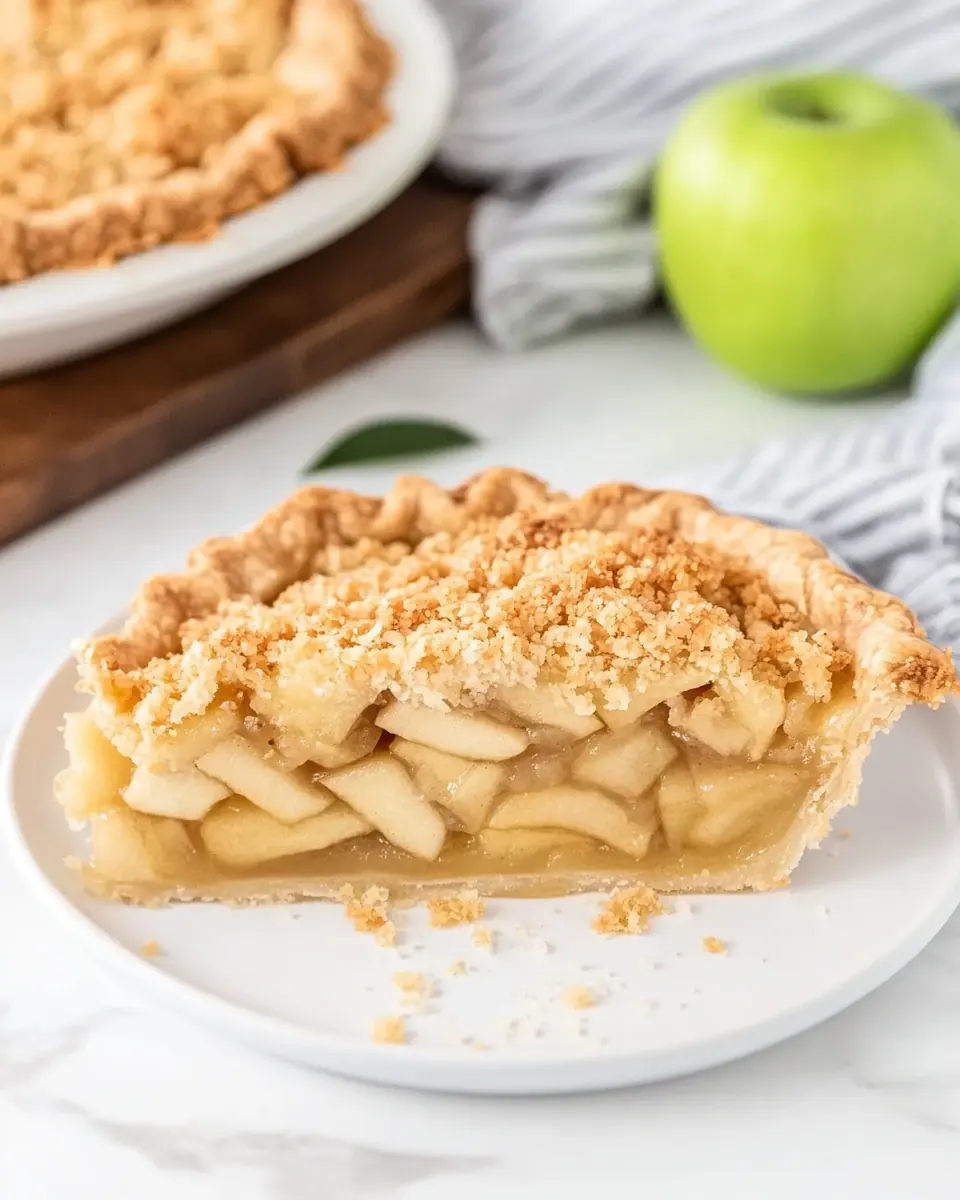
Dutch Apple Pie delivers tender, spiced apples with a buttery, crunchy streusel topper. This easy to assemble pie blends tart and sweet apple varieties for balanced flavor, producing a warm, aromatic dessert perfect for fall gatherings or easy weeknight baking. It is comforting, reliably delicious, and a crowd pleasing classic you will return to time after time.
Prep Time 30 minutes
Cook Time 1 hour
Total Time 1 hour 30 minutes
Servings: 10 servings
Course: Desserts
Cuisine: American
Calories: 300

Ingredients
  

  • 1 (9-inch) deep-dish pie crust, frozen or chilled Use to line the pie plate and hold the apple filling; a deep-dish crust provides room for thick slices and a generous filling. Keep chilled or frozen until assembling to maintain flakiness during baking and prevent soggy bottoms. Blind-bake briefly if recipe calls for it to ensure a crisp base.
  • 4 cups golden delicious apples, peeled, cored, and sliced into 1/4 inch thick slices (about 4 small apples) Provide sweet, tender apple slices that contribute a mellow flavor and soft texture when baked; golden delicious offers natural sweetness and a delicate aroma. Peel and slice evenly to ensure uniform cooking and to blend smoothly with tart apples in the filling. Toss with lemon juice and dry ingredients so slices release proper juices while avoiding browning.
  • 4 cups granny smith apples, peeled, cored, and sliced into 1/4 inch thick slices (about 4 small apples) Contribute firm, tart apple slices that balance sweetness and hold shape during baking; granny smiths add bright acidity and structure. Peel and slice consistently to match cooking time of other apples and enhance contrast in flavor and texture. Combine with sweet apple slices to create a well-rounded filling.
  • 1 tablespoon lemon juice, fresh is best Prevent enzymatic browning on apple slices and add a bright citrus note that balances sweetness; fresh lemon juice offers the best flavor integrity. Measure and toss with apples immediately after slicing to maintain color and contribute subtle acidity that enhances the overall filling. Use sparingly to avoid a pronounced lemon taste.
  • 1/2 cup granulated sugar Sweeten the filling and help absorb some apple juices for a cohesive texture; granulated sugar dissolves easily into the fruit mixture. Distribute evenly with flour and spices to season all slices consistently and to control the overall sweetness level. Adjust slightly if using very sweet or tart apples.
  • 1/4 cup all-purpose flour Absorb excess juices released from apples while thickening the filling for a glossy, slightly set consistency; all-purpose flour provides a neutral thickener. Mix thoroughly with dry sugars and spices before tossing with apples to prevent clumping and ensure even thickening during baking. Use recommended amount to avoid a gummy or runny filling.
  • 1/2 teaspoon ground cinnamon Add warm, aromatic spice to the filling, complementing apples and brown sugar for classic pie flavors; ground cinnamon is a primary spice in apple desserts. Sprinkle uniformly among dry ingredients to achieve balanced spice distribution throughout the filling. Adjust to taste but follow recipe amounts for a traditional profile.
  • 1/8 teaspoon freshly grated nutmeg Introduce subtle nutty warmth and complexity to the spice blend; freshly grated nutmeg offers a brighter, more aromatic flavor than pre-ground. Grate finely and mix with other spices to avoid concentrated pockets and to elevate the overall flavor without overpowering apples. Use sparingly because nutmeg is potent.
  • 1/8 teaspoon table salt Enhance and balance sweetness while amplifying other flavors; a small amount of salt brightens the filling and reduces cloying taste. Dissolve into the dry mixture so it seasons evenly and complements both sweet and tart apples. Keep to the recommended measurement to maintain flavor harmony.
  • 1/2 cup light brown sugar Sweeten and add a caramel-like depth to the topping, contributing moisture and chewiness when baked; light brown sugar contains molasses for added richness. Combine with flour and butter to form a crumbly streusel that contrasts the tender apple filling with a buttery, sweet crust. Pack slightly when measuring for accuracy.
  • 3/4 cup all-purpose flour Form the bulk of the streusel topping that thickens and binds with brown sugar and butter to create a crumbly texture; all-purpose flour provides structure. Mix with spices and cold cubed butter to produce coarse crumbs that brown evenly and add a crunchy layer atop the pie. Sift or whisk beforehand to remove lumps for consistent topping.
  • 1/4 teaspoon ground cinnamon Contribute a secondary warm spice note to the topping that echoes the filling and enhances overall cohesion; ground cinnamon provides aromatic depth. Blend into the streusel dry mix to ensure every bite of topping carries a hint of spice and complements the apple mixture below. Use measured amount to avoid overpowering the crumb.
  • 1/4 teaspoon freshly grated nutmeg Provide a subtle nutty warmth to the streusel, mirroring the filling’s spice profile; freshly grated nutmeg adds fragrance and complexity. Incorporate finely grated nutmeg into the dry topping ingredients so aroma distributes evenly during baking. Keep quantities moderate since nutmeg is strong.
  • 1/2 cup unsalted butter, cold and cubed Bind the streusel together and add rich, buttery flavor while creating crisp, golden crumbs when cold and cubed; unsalted butter allows control over topping saltiness. Cut into the dry mix until pea-sized pieces form, then chill briefly if needed to maintain distinct crumb texture when baked. Use cold butter for optimal flakiness and browning.

Equipment

  • 9-inch pie pan

Method
 

  1. Preheat the oven to 375℉ (190℃) and position an oven rack to be in the bottom third of the oven.: As the oven warms you should notice a subtle dry heat begin to fill the space, which primes the environment for even browning. Preheating to 375℉ ensures the crust starts baking as soon as the pie goes in, sealing the base and reducing sogginess. If the oven is under heated the filling will spend too long releasing juices before the crust sets, producing a limp bottom. A common mistake is not positioning the rack properly, which can cause the top to over brown before the filling cooks through, so place the rack in the bottom third as instructed.
  2. In a large bowl, combine the sliced apples with 1 tablespoon lemon juice, 1/2 cup granulated sugar, 1/4 cup all-purpose flour, 1/2 teaspoon ground cinnamon, 1/8 teaspoon freshly grated nutmeg, and 1/8 teaspoon table salt until the flour, spices, and sugar evenly coat the apples. Set aside to prepare the crumb topping.: When you toss these ingredients together the apples should glisten as the sugar and lemon juice start to draw out juices, and the spices should lightly dust each slice. This coating helps the slices cook uniformly and the flour will bind released liquids, preventing a soupy filling. One why this step matters is it creates an even flavor distribution so every forkful tastes balanced. A frequent slip up is overcrowding the bowl while mixing, which prevents even coating, so make sure there is room to toss.
  3. In a medium bowl, combine the 1/2 cup light brown sugar, 3/4 cup all-purpose flour, 1/4 teaspoon ground cinnamon, and 1/4 teaspoon freshly grated nutmeg until evenly mixed. Add in 1/2 cup unsalted butter (cold and cubed) and use your fingers to mix the mixture together, until crumbs form and the butter is well distributed through the flour and sugar.: As you rub the cold butter into the dry mix you will feel the texture change from sandy to chunky crumbs, and you should hear faint rubs and breaks as small clumps form. Those little clumps melt in the oven and create crisp, buttery pockets across the surface. The technique matters because if the butter warms too much you will end up with a greasy, paste like topping rather than discrete crumbs. Avoid overworking the mixture, because prolonged handling will soften the butter and change the desired texture.
  4. Spoon the apple mixture into a chilled pie crust. If there is excess liquid the apples released while sitting, discard that liquid. Adding it to the pie crust could result in a soggy crust. Sprinkle the crumb topping evenly on the apple mixture.: When you transfer the filling, the bowl should still hold some juices, but you want the pie interior to be firm enough that the crumb sits on top rather than sinking. The visual cue is a glossy but not watery mound of apples . Discarding excess liquid is crucial because it reduces the risk of a soggy bottom and ensures the topping crisps. Many bakers err by pouring juices back in, which makes the crust heavy and under baked. Aim to distribute the streusel in an even layer so each slice gets a consistent crunch.
  5. Place the assembled pie on a rimmed baking sheet to catch any liquid that may bubble up while baking. Bake for 50 to 60 minutes, or until the filling is bubbly and the crumb topping is golden. Check on the pie after 35-40 minutes of bake time. If the crust or crumb begins to brown too quickly cover the pie loosely with foil and continue to bake for 10-15 minutes, or until the apples are fork-tender.: As the pie bakes the aroma of cinnamon and caramelizing sugars will intensify, and you will hear quiet bubbling from the filling when the fruit releases steam. The surface should develop a warm golden brown, and small spots of syrup bubbling through the crumbs signal done ness. Covering with foil is a handy technique to prevent the topping from burning while allowing the interior to finish cooking. A classic mistake is removing the pie too soon because the top looks done, but the center may still be undercooked; wait for steady bubbling and fork tender slices.
  6. Remove the pie from the oven and allow it to cool to room temperature before slicing and serving.: Cooling lets the juices thicken and the filling set, which produces cleaner slices and prevents the pie from falling apart. You will notice the bubbling slow down and the filling losing some of its sheen as it stabilizes. If you cut into the pie while it is too hot the juices will run, leaving you with a sloppy plate. Patience is key here, and while it is tempting to serve right away, letting it rest yields a neater presentation and improved texture.
Notes

  • Swap apple ratios carefully: If you prefer a sweeter profile increase the proportion of Golden Delicious slightly, but maintain some tart Granny Smith to keep structure and balance.
  • Chill assembly to prevent sogginess: Assemble the pie with a chilled crust and refrigerate briefly before baking to help the base set quickly when it hits the oven.
  • Make the streusel ahead: Prepare the crumb topping and store it cold for up to two days, this saves time on the day of baking and preserves the ideal texture.
  • Protect the edges: If the crust edges begin to brown too fast tent foil around the rim, this keeps the outer crust from overbrowning while the filling finishes cooking.
  • Adjust baking time for deep dishes: If your pie dish is extra deep add a few minutes to the bake time and monitor for bubbling to ensure the center is cooked through.