Whisk all marinade ingredients in a medium bowl.: You should notice a glossy, slightly thickened mixture, and the aroma of garlic and cumin will bloom as you whisk. This step matters because it ensures even coating of the chicken and vegetables, which translates to uniform flavor in every bite. If the mixture seems separated, whisk vigorously until it emulsifies, that keeps spices suspended so they cling to the protein. A common mistake is under-whisking, which can lead to uneven seasoning pockets.
Pour half of the marinade into a gallon sized zip lock plastic bag and add the chicken breasts. Be sure all the chicken is covered with marinade. Seal the bag.: The bag should allow the marinade to fully contact the chicken , so move the pieces around to ensure coverage and press out excess air before sealing. You will smell the citrus and spices as they start to mingle with the chicken ; that brightness helps tenderize the meat. Make sure each breast is coated and not folded over, which can prevent even marination. Avoid overfilling the bag, which can stop proper circulation of the marinade.
Add the vegetables to another gallon sized zip lock plastic bag and pour the remaining half of the marinade over the vegetables. Seal the bag and squeeze the marinade around the vegetables to cover completely.: Massage the bag so the marinade disperses and each slice of pepper and onion gets some of the mixture. You will see the peppers take on a slight sheen, and that oil helps with color and caramelization during cooking. This prevents dull, dry vegetables and helps them char evenly. A common error is crowding the bag, which stops even contact with the marinade.
Place both bags in the fridge at least 30 minutes or up to 24 hours.: As the ingredients rest, their surfaces will absorb the flavors and the lime will slightly tenderize the chicken . A minimum of 30 minutes is enough to develop noticeable flavor, while longer rest deepens it. If you marinate too long, especially with citrus, the texture of the meat can become mushy, so watch longer marination times with acidic mixes. Keep the bags laid flat so the marinade pools evenly.
While the chicken and vegetables marinate, prepare the cheese sauce. The cheese sauce can be made up to 3 days ahead and refrigerated in an airtight container until ready to use. When ready to use, reheat the cheese sauce in a small saucepan, over low heat. Add a little heavy cream or Half ‘n Half if the sauce is too thick. Be very careful not to burn the sauce.: Warm the queso gently in a small saucepan over low heat, stirring often until it becomes glossy and pourable; you may add a little cream if it’s too thick. The smell will be rich and dairy forward, and a smooth texture is key for drizzling. Heating too quickly can scorch the bottom, creating a grainy texture, so low heat and patience are essential. Stir constantly and scrape the pan gently to prevent sticking.
Heat the oven to 225°F and cover a baking sheet with foil.: This low heat environment will keep the cooked components warm without overcooking them, and the foil makes cleanup easy. You should feel a gentle warmth when you open the oven and the surface of the sheet will be ready to receive sizzling ingredients. Skipping this warming step can lead to fillings cooling quickly before serving, so reserve the oven for holding.
Wrap the tortillas in foil and place them in the warm oven, on the side of the middle rack.: Letting the tortillas steam in foil keeps them pliable and soft, with a faint toasty aroma. Warm tortillas fold easily around the filling and release their subtle wheat smell that complements the spices. Avoid leaving them too long uncovered, which can dry them out and cause cracking when folded.
Heat a large skillet, set over medium-high heat. When the skillet is hot, add 2 tablespoons oil. When the oil shimmers, add 1 tablespoon butter and the marinated vegetables. Reduce the heat to medium and cook the vegetables until they are hot and have softened a little but still have a little bite (al dente). Transfer the vegetables to the prepared baking sheet and place in the oven (next to the tortillas) to keep warm.: When the pan is hot, add 2 tablespoons oil, then 1 tablespoon butter and the marinated vegetables; reduce heat to medium and cook until they are softened a little but still al dente
In the same large skillet, still set over medium heat, add another 2 tablespoons oil. When the oil shimmers, add 1 tablespoon butter and the chicken. Do not turn the chicken for 3-4 minutes or until it is golden brown on the bottom. Flip the chicken and cook another 3 minutes.: When the oil shimmers, add 1 tablespoon butter and the chicken
Turn the chicken over to cook another minute, and flip the chicken again and cook until it is opaque/white and the internal temperature reads 160°F with a meat thermometer. Transfer the chicken to a cutting board and cut it diagonally, across the grain, into 1/2-inch slices.: Flip the chicken and cook another 3 minutes
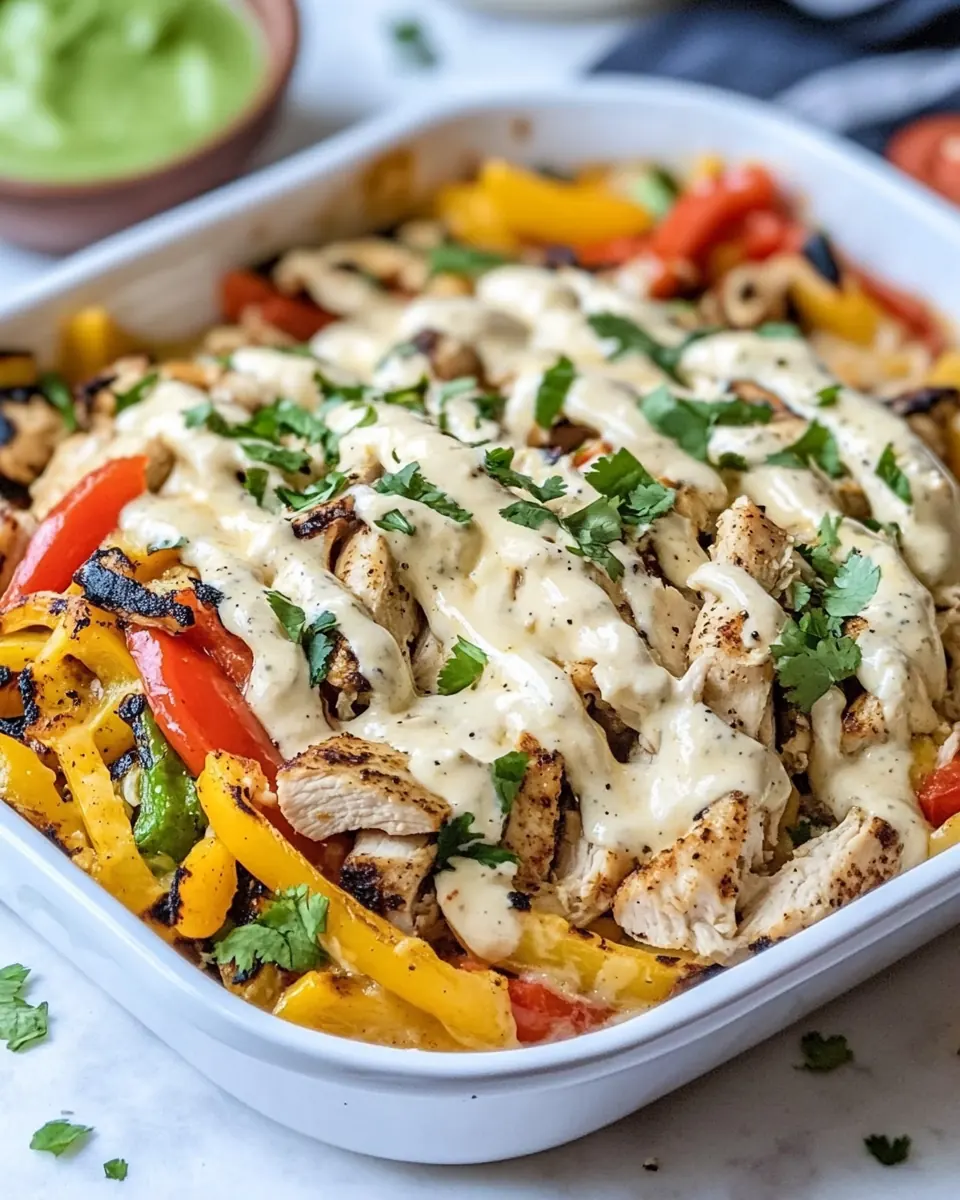
Place some slices of chicken on a plate. Spoon vegetables over the chicken and drizzle it with fresh lime juice. Smother the chicken & vegetables with hot cheese sauce and sprinkle with chopped fresh cilantro. Serve with flour tortillas, Mexican Rice, Refried Beans, Avocado slices, Tomato Salsa and other favorite Mexican side dishes.: Transfer the chicken to a cutting board and cut it diagonally, across the grain, into 1/2-inch slices
Enjoy!: Spoon vegetables over the chicken and drizzle it with fresh lime juice, smother the chicken and vegetables with hot cheese sauce and sprinkle with chopped fresh cilantro
Serve with flour tortillas, Mexican Rice, Refried Beans, Avocado slices, Tomato Salsa and other favorite Mexican side dishes: Invite guests to assemble their own fajitas, offering toppings and sides so each bite suits individual tastes
Enjoy!: Savor the mix of textures and temperatures, the warmth of the filling against the cool toppings, and the bright lift of lime over the finished plate