Add 1 cup of Panko bread crumbs to a shallow bowl and set aside.: As you scoop the crumbs into a shallow bowl you will notice their coarse, dry texture which is ideal for coating, it gives you an immediate tactile contrast to the moist batter, and having them in a shallow container makes the coating step faster and neater, avoid using overly fine crumbs because they will create a denser crust rather than the airy crunch you want, one mistake is skipping this setup which slows you down and causes uneven coating when you try to work quickly.
To a large bowl add: sour cream, mayo, beaten egg, Old Bay seasoning and lemon juice. Stir to combine.: Right away you will smell the lemon and Old Bay brightening the creamy mix, whisking until smooth ensures the binder disperses evenly so every bite holds together, a good sign is a glossy, uniform mixture without streaks of mayo, if the mixture looks curdled or separated it means the ingredients were too cold or not mixed long enough, avoid overmixing with vigorous beating which can incorporate too much air and change the texture.
Add crab meat, mozzarella, garlic, 1 cup of panko bread crumbs and chopped green onions. Season with salt and pepper. Stir until fully combined.: When you fold in the 1 lb. lump crab meat do it gently so you preserve the lumps and the visual appeal, the aroma will shift as the garlic and onions bloom, and the added panko helps absorb excess moisture for a pate that holds, if the mixture seems too wet add a tablespoon of crumbs at a time, a common error is smashing the crab while stirring, which makes the texture pasty rather than chunky.
Use a spoon or ice cream scoop to scoop equal amount of the mixture and roll into balls, use your palms to flatten them into patties that are about 1 inch thick.: The tactile step of shaping should feel slightly tacky but firm, pressing to about one inch thickness ensures the patties cook through without burning outside, you should be able to lift a patty without it falling apart, if they crumble the mixture needs a touch more binder or a gentle squeeze to compact, overpacking will make dense cakes, so aim for gentle but secure shaping.
Add the patties one by one to the bowl with panko bread crumbs and use your hands to pat the crumbs onto the patties.: As you press the crumbs on you will hear a quiet crunch, and the surface should take on a light, even coating, this helps form the protective shell that browns in the skillet, make sure you cover all exposed edges to avoid weak spots, a typical slip is applying too little pressure so crumbs fall off during frying, which results in an uneven crust.
Place the crab cakes on a cutting board that has been covered with parchment paper. Freeze until firm, for about 30 minutes.: The cakes will firm up and hold their shape while frying, the chill tightens the binder and reduces breakage when you flip them, when ready they should be cold to the touch and slightly set in the center, skipping this rest can lead to crumbling in the pan, one pitfall is freezing them too long and not letting them thaw briefly, which risks undercooked centers if you fry too hot.
Place a large, deep skillet over high heat and add about 1 inch of vegetable or canola oil.: Heating the pan and oil properly ensures an even fry and golden color, you will see faint ripples in the oil when it is ready, maintaining oil depth protects the patties from scorching, if the oil smokes it is too hot and will burn the exterior before the interior cooks, carefully lower the heat if you see smoke to prevent bitter flavors.
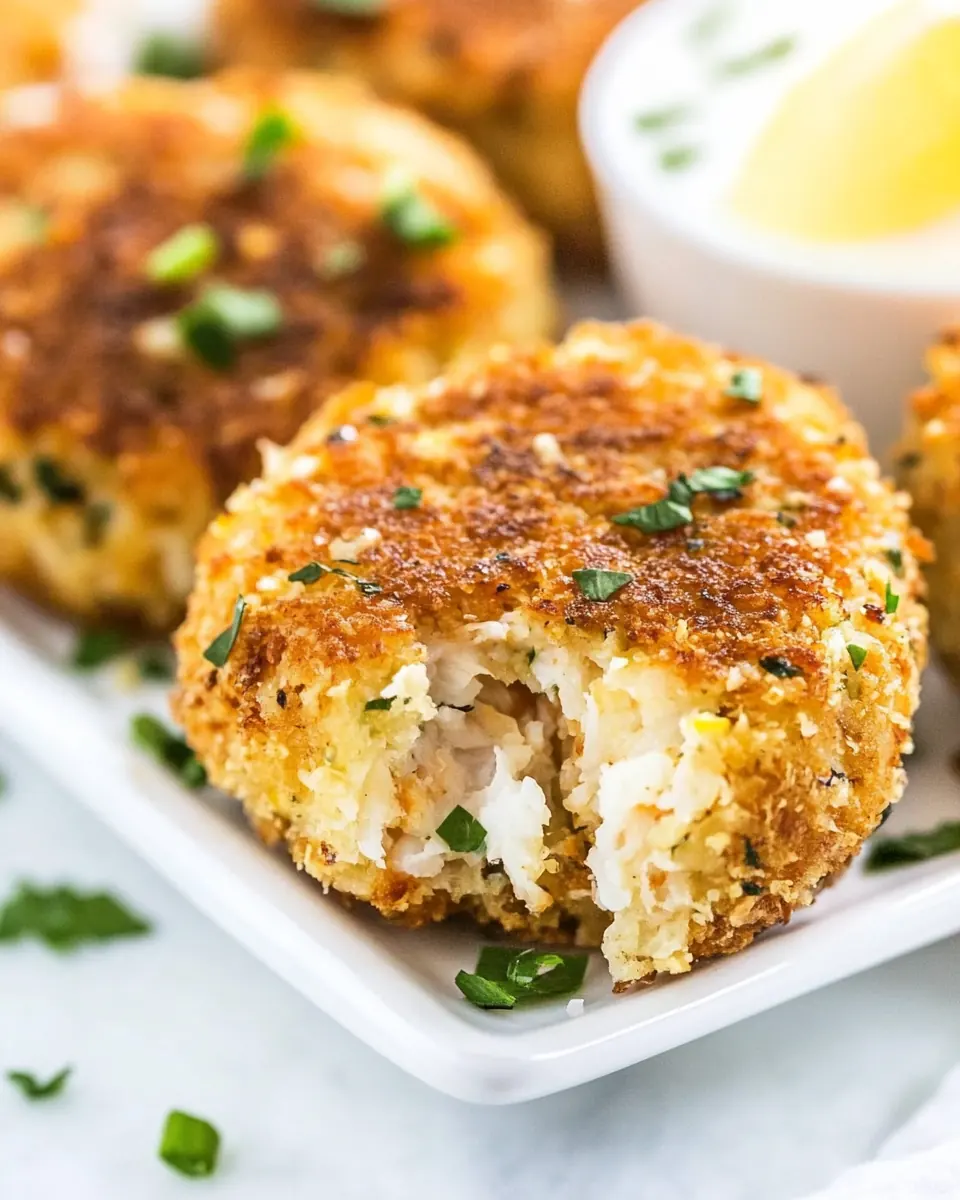
Wait for the oil to get hot. Add the crab cakes, if needed work in batches. Fry on both sides for about 2 or 3 minutes, until the cakes are golden-brown. Be gentle when flipping them and when removing from the pan. Drain on a paper towel-lined plate excess oil.: As they sizzle you will hear a lively crackle and watch the edges turn a rich golden brown, that sound and color signal Maillard reaction for depth of flavor, flip with a thin spatula to preserve the crust and avoid tearing, drain briefly on paper towels to remove excess oil so the crust stays crisp, frying too many at once will drop the oil temperature and create soggy interiors, a common mistake is overcrowding the skillet which leads to uneven browning.
Add all the ingredients to a small bowl and stir until fully combined.: For the aioli you will notice the lemon scent and herb notes come forward as you stir, aim for a smooth glossy texture that clings to a spoon, this balance of tang, fat, and herb brightens each bite, if the aioli separates it means the ingredients were too cold or not blended well, gently whisking and warming the bowl slightly can bring it back together.
Serve the crispy crab cakes with lemon wedges on the side and Lemon Aioli for dipping.: When plated, the bright citrus and creamy aioli provide contrast to the fried crust, serve immediately so you capture the ideal hot crisp texture, a squeeze of lemon just before serving lifts the flavors dramatically, holding them too long before serving will soften the crust and dull the contrast, try to keep them on a warm plate for best results.