Peel the eggplant and slice it thinly. Lay the eggplant slices on a paper towel-lined baking sheet and sprinkle with salt. Let sit for 30 minutes, then rinse and dry on fresh paper towels.: The air smells faintly vegetal and clean when you remove the stem and peel the eggplant , and slicing thinly helps the heat penetrate so the centers become tender without overcooking. Visually, aim for uniform slices so they stack evenly in the dish, about an eighth to a quarter inch thick depending on the size. A common mistake is cutting uneven slices which cook unevenly, so use a sharp knife and steady hand. When the slices go into the pan they will sizzle lightly if the sheet is warm, and that gentle sound signals the crust forming later in the oven.
Preheat the oven to 350°F.: Salt draws moisture out of the eggplant , and after sprinkling you will notice beads of liquid start to form on the surface, a sign the process is working. Let the salted slices rest for 30 minutes so bitterness softens and texture firms. Pressing them lightly with fresh paper towels after rinsing helps remove excess salt and water. Avoid skimping on the drying step, or the finished casserole may be watery rather than concentrated and flavorful.
Add the eggs to a shallow dish, and the bread crumbs to another shallow dish. Dip each slice of eggplant in the eggs and roll in the bread crumbs to coat both sides. Place the eggplant on a cookie sheet. Bake for 10 minutes, flip, then bake for an additional 10 minutes. Do not turn off the oven.: After the resting period the scent of the eggplant is milder and the surface feels less spongy. Rinsing removes extra salt and any drawn out bitterness. Dry thoroughly with fresh towels until the surface feels dry to the touch, because moisture prevents the crumbs from adhering and can steam the coating during baking. A common error is rushing this step, which results in soggy crumbing and a less crisp final texture.
To assemble the eggplant parmesan, spread 1 cup of spaghetti sauce in the bottom of a 9 x 13 baking dish. Layer half of the eggplant in the bottom of the dish then spread with another cup of sauce. Sprinkle half of the mozzarella cheese and half of the parmesan cheese on top.: Preheating ensures the oven reaches an even temperature so the mozzarella cheese melts consistently and the top bubbles evenly. You will hear the oven click and you can feel the warmth when opening the door just before baking. If the oven is not fully preheated the first bake of the slices may be pale and limp, so always wait for the set temperature for predictable results.
Add the remaining eggplant in an even layer over the top of the cheese, then spread the remaining sauce over the eggplant. Sprinkle with the remaining cheeses, then sprinkle the dried basil over the top.: Setting up a dredging station with beaten eggs in one dish and Italian seasoned bread crumbs in the other keeps the assembly tidy and efficient. Dip each dried eggplant slice into the eggs, letting excess drip back into the dish, then press into the crumbs until coated. The texture should feel slightly tacky when pressed. If your crumbs feel loose, press them on firmly, but avoid overworking the slices which can tear them.
Bake for 35-40 minutes, until the cheese is melted and the sauce is bubbling. Serve hot.: The sound of crumbs falling and the tactile give when you press the coating in place are satisfying cues that the crust will crisp in the oven. Arrange the coated slices on a cookie sheet in a single layer so they bake evenly. If slices overlap they will steam rather than crisp, so give them room. A frequent mistake is overcrowding which leads to soggy coating instead of golden crunch.
Place the eggplant on a cookie sheet: As you transfer coated slices to the cookie sheet the surface will already show a matte, crumb covered finish, which browns attractively when baked. Keep a little space between slices so hot air circulates. If you notice any loose crumbs, brush them away to avoid burning on the baking sheet. Using parchment can ease cleanup and prevent sticking.
Bake for 10 minutes flip then bake for an additional 10 minutes: In the oven the crumbs will begin to toast, producing a warm, nutty aroma, and flipping midway helps both sides reach even golden color. Listen for a faint crackle as moisture escapes, and look for an even light to medium brown on both sides. If you skip the flip, one side may brown while the other remains pale, so flipping is important for consistent texture.
Do not turn off the oven: Keeping the oven on ensures the assembled casserole goes into a fully hot environment for the final bake, which is crucial for melting the cheeses and melding the flavors. The retained heat prevents a temperature dip that could slow cooking and result in uneven melting. Turning the oven off at this point risks a limp, underbaked interior, so maintain the set temperature.
To assemble the eggplant parmesan spread 1 cup of spaghetti sauce in the bottom of a 9 x 13 baking dish: The aromatic tang of the spaghetti sauce hits first as you spoon it evenly across the dish, creating a flavorful base. Spreading sauce thinly prevents the casserole from becoming watery while ensuring every bite gets saucy balance. A good rule is to distribute sauce evenly rather than pooling it, which keeps layers distinct and prevents sogginess.
Layer half of the eggplant in the bottom of the dish then spread with another cup of sauce: As you arrange the first layer the visual of dark crusted edges against red sauce is appealing, and adding a second cup of spaghetti sauce ensures the eggplant stays moist. The sauce acts as both flavor and binder between layers. Avoid piling eggplant too thickly here, or the center may take much longer to heat through during baking.
Sprinkle half of the mozzarella cheese and half of the parmesan cheese on top: When the ribbons of shredded mozzarella cheese meet the warm sauce they start to soften immediately, and the grated parmesan cheese adds a salty lift. Distribute cheesely evenly so no dry pockets remain. A common oversight is burying cheese under too much sauce which can keep it from browning properly.
Add the remaining eggplant in an even layer over the top of the cheese then spread the remaining sauce over the eggplant: The second eggplant layer creates a pleasing multi tiered structure, and the final spread of spaghetti sauce ensures continuity of flavor through the dish. The glossy red top signals the casserole is ready for its final melt. Be mindful to keep layers level, as an uneven surface can brown irregularly.
Sprinkle with the remaining cheeses then sprinkle the dried basil over the top: As you add the final layer of shredded mozzarella cheese and grated parmesan cheese , the dish begins to feel complete, and the dusting of dried basil imparts a sweet, herbal finish. The cheeses will melt to a gooey, golden crown while the basil releases a subtle perfume. Don’t overdo the dried herb or it can dominate the gentle tomato and cheese flavors.
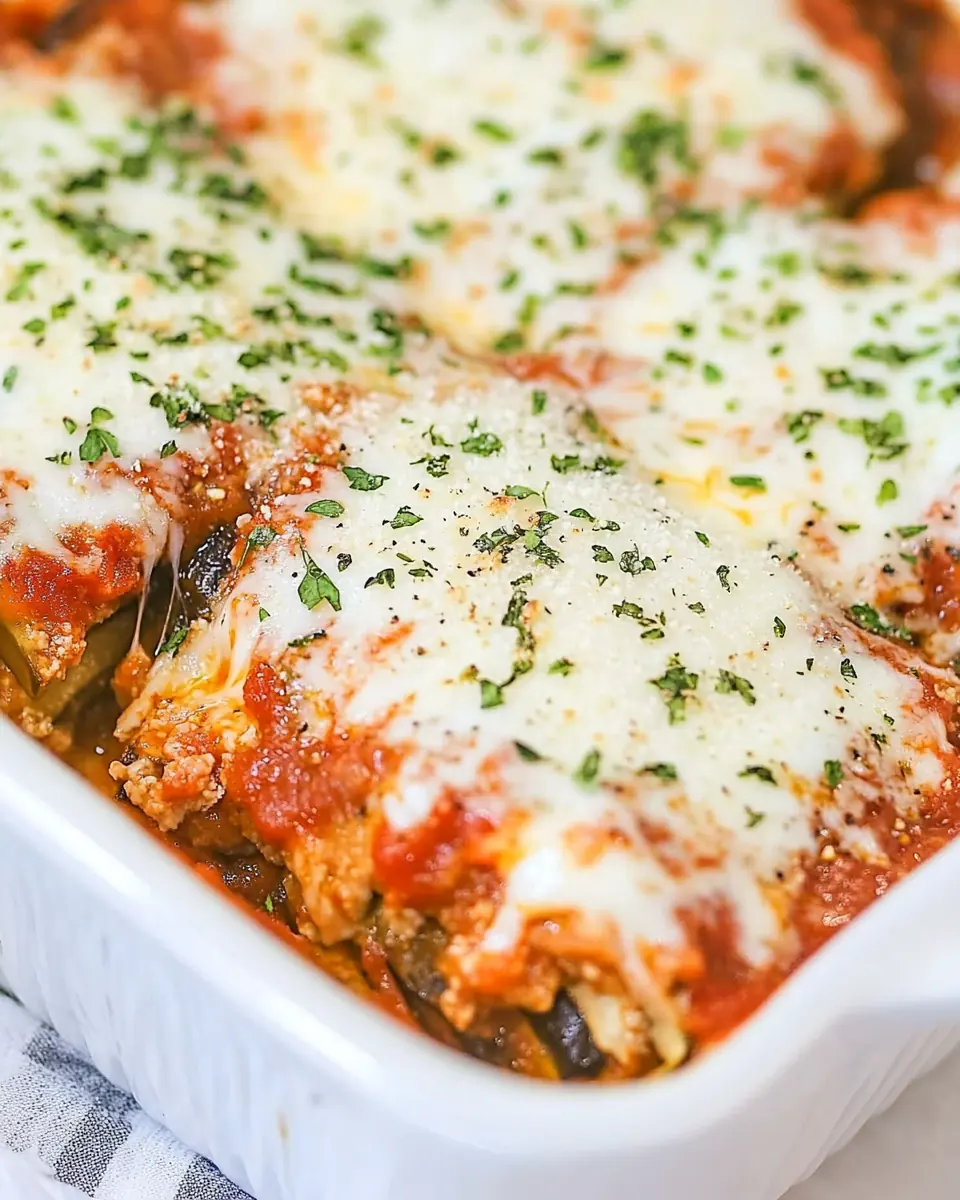
Bake for 35 to 40 minutes until the cheese is melted and the sauce is bubbling: The oven fills with a rich scent as the cheese melts into a glossy blanket and the edges take on golden notes, while the bubbling sauce reveals that the interior is fully hot. Look for gentle bubbling at the edges and a uniformly melted top, sometimes with small brown spots. If the top browns too quickly, tent lightly with foil in the final minutes to avoid burning while the center finishes heating.
Serve hot: Serving the casserole warm preserves the creamy texture of the melted mozzarella cheese and the crispness of the breadcrumb crust. I like to let it rest five minutes before slicing so the layers settle, which makes neat portions easier to lift. Cutting too soon can cause the layers to slide, while waiting too long may reduce the desirable cheese pull.