Preheat oven to 350 degrees F. Spray two 8 1/2 inch x 4 inch bread pans with baking spray (the kind that has the flour in it) and set aside.: Right away you will notice the oven beginning to put out a gentle dry heat, a comforting hum that promises transformation. Preheating ensures the batter hits an already warm environment so the leaveners activate correctly, producing even rise and preventing a heavy, underbaked center. Spraying the pans with a flour inclusive baking spray creates a nonstick surface and a light dusting that helps the crust release cleanly, and the texture will develop a slightly crisper edge where the batter kisses the pan. If you skip preheating or put the batter into a cold oven, the bread can bake unevenly and may sink in the middle. A typical mistake is using too small or too large pans which alters bake time, so use pans close to the listed dimensions.
Beat the butter and sugar in a large bowl until light and fluffy. Add in the greek yogurt and lemon juice and beat until combined. Add in the eggs one at a time, scraping down sides of bowl as necessary.: As you cream the butter and sugar , listen for a soft, rhythmic scraping and look for the color to lighten and the texture to become airy, which indicates air has been incorporated to help lift the loaf. When the greek yogurt and lemon juice join the mixture, you'll feel the batter soften and smell a brighter, tangy note. Adding the eggs one by one helps maintain an emulsion so the batter stays stable and does not break, which would otherwise lead to a greasy texture. Scraping the bowl ensures no unmixed streaks of cold butter remain, which would create uneven pockets. A common pitfall here is overbeating after eggs are added, which can develop gluten and make the crumb tougher; beat just until combined.
In a separate bowl combine the flour, baking soda, salt, baking powder and lemon zest, whisk to combine. Pour the dry ingredients into the wet and stir just enough to combine.: Whisking the dry components distributes the leaveners and the salt evenly, so every bite rises and tastes balanced. The fragrant oil from the lemon zest will lift as you whisk, releasing a citrus perfume that hints at the final loaf. When folding the dry into the wet, you want to stop as soon as the streaks of flour disappear, because overmixing activates gluten in the flour , leading to a denser texture. You should see a cohesive batter that is slightly thick and glossy. Watch for dry pockets of flour, but also resist mixing until perfectly smooth to avoid a tight crumb. A typical error is vigorously beating at this stage which creates tunnels and a chewy loaf.
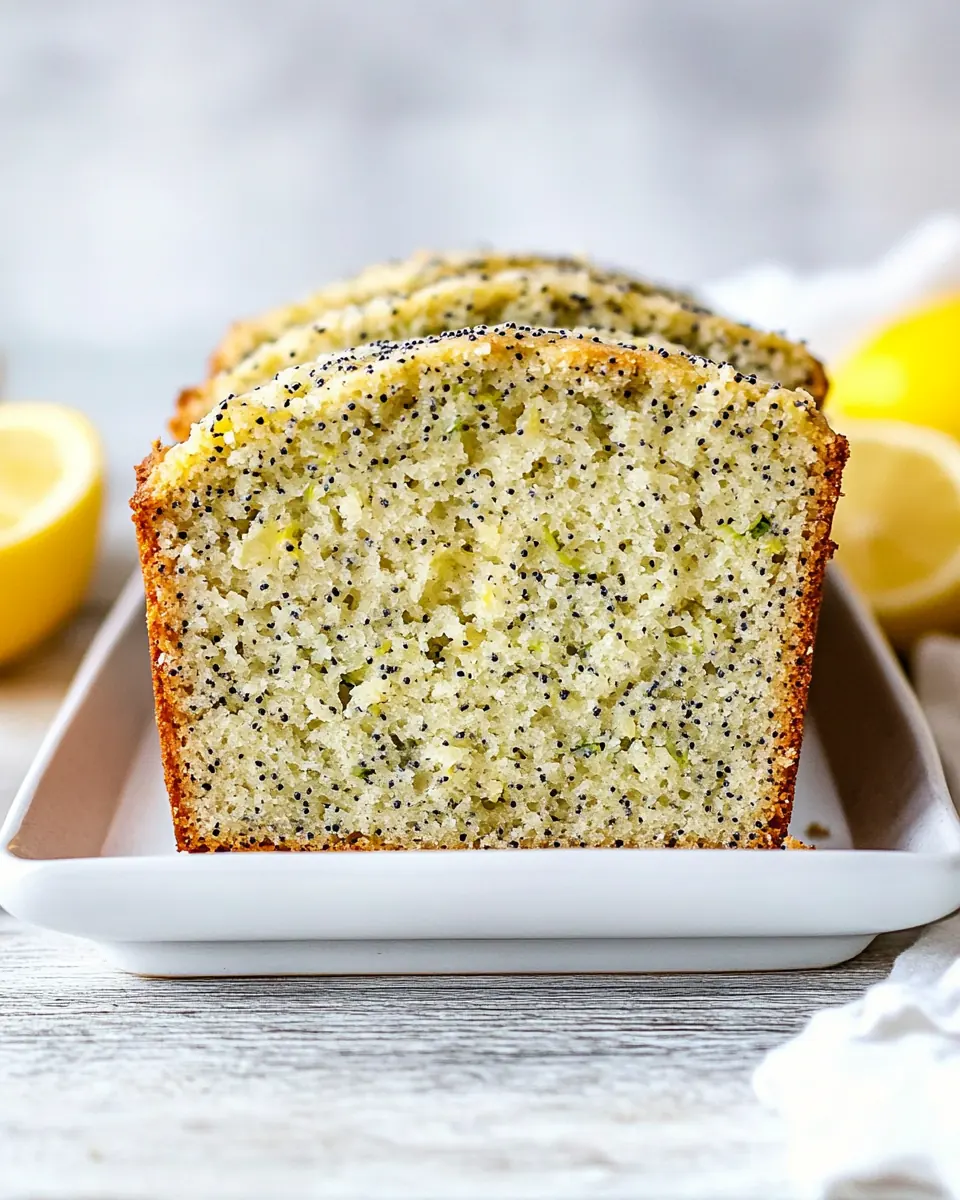
Fold in the zucchini, vanilla extract and poppy seeds until evenly distributed. Try not to over stir. Pour the batter evenly into the prepared pans and bake for 55 to 60 minutes, or until toothpick inserted in center comes out clean. Let cool for at least 10 minutes in pans before removing to wire rack to cool completely.: When you fold in the grated zucchini , you will see flecks of green throughout the batter and notice a faint vegetal scent that will fade in the oven; the moisture from the zucchini keeps the crumb tender. The vanilla extract gives a warm background note that supports the lemon, and the poppy seeds add tiny audible crunches when you bite into the final loaf. Pouring the batter evenly into both pans promotes uniform baking, and as it bakes the top will deepen to a golden tone and the center will gently spring back when pressed. Use a toothpick to check doneness; if it comes out with moist crumbs, give it a few more minutes. Be careful not to open the oven too often during baking, as that can lower the temperature and cause sinking. Also avoid overbaking which dries the loaf, so aim for that read on the toothpick and a gentle spring to the touch.
Combine the powdered sugar and lemon juice in a small bowl and whisk until smooth. Drizzle over the bread and garnish with lemon zest if desired. Store bread in an airtight container. Enjoy!: The glaze should be glossy and pourable, a bright white that takes on a pale lemon hue when you add fresh juice. Drizzling it while the loaf is warm allows the glaze to set slightly into the crust, creating a thin, crackled finish that looks inviting and adds a tangy-sweet counterpoint to the buttery crumb. Garnishing with extra lemon zest releases aromatic oils right before serving, heightening the sensory experience. For storage, an airtight container keeps humidity steady and prevents the crust from becoming leathery; I often wrap slices in parchment for sharing. A mistake people make is making the glaze too runny by adding too much lemon juice, which will simply pool and not set, so add liquid gradually until you reach the desired consistency.