Preheat the oven to 400°F.: The air warms quickly, bringing a dry heat that helps the top brown and the cheese melt to a glossy finish. You will notice the oven element glow faintly and the room take on a faint warm scent. This heat level encourages edges to crisp while the interior becomes tender. A common mistake is skipping preheat, which causes uneven baking. If your oven runs hot, consider using an oven thermometer to confirm the true temperature.
In a medium skillet, cook ground beef and onions over medium high heat until beef is thoroughly cooked. Drain off the fat. Stir in taco seasoning mix and water; simmer 10 minutes.: As the ground beef sizzles, it will release savory aromas and the onions will soften to translucent ribbons. Browning produces tiny caramelized bits that intensify flavor when deglazed with the water and seasoning. Simmering lets the spice mixture bloom and coat the meat, creating a cohesive filling. A frequent error is undercooking the onions, which leaves raw sharpness. Also avoid over draining, remove most but not all fat to preserve flavor, while preventing greasiness.
In medium bowl, combine refried beans and taco sauce.: When you stir the refried beans with the taco sauce , the texture becomes spreadable and the tang from the sauce brightens the beans. The aroma shifts to a savory, slightly tangy scent. This mixture acts as a creamy layer that binds other elements. If the beans are too stiff, add a tablespoon of water to loosen them. A potential pitfall is making the mixture too thin, which can make layers slide.
In an ungreased 8 inch square (2 quart) baking dish, layer 1/2 the bean mixture, 1/2 the beef mixture, 2 cups tortilla chips and 1 cup of the cheese. Top with remaining bean mixture and beef mixture.: Layering is where the casserole builds character. Spread the first refried beans evenly so they form a stable base, then scatter the ground beef so each forkful has a balance of meat and bean. The pile of tortilla chips will keep pockets of crunch, and the first dose of cheddar cheese begins to melt into the cavities. Adding the remaining bean and beef mixtures seals the interior. Press gently but do not compress completely; you want some air so the casserole heats evenly. A misstep is uneven spreading, which can cause some sections to be dry or overly wet.
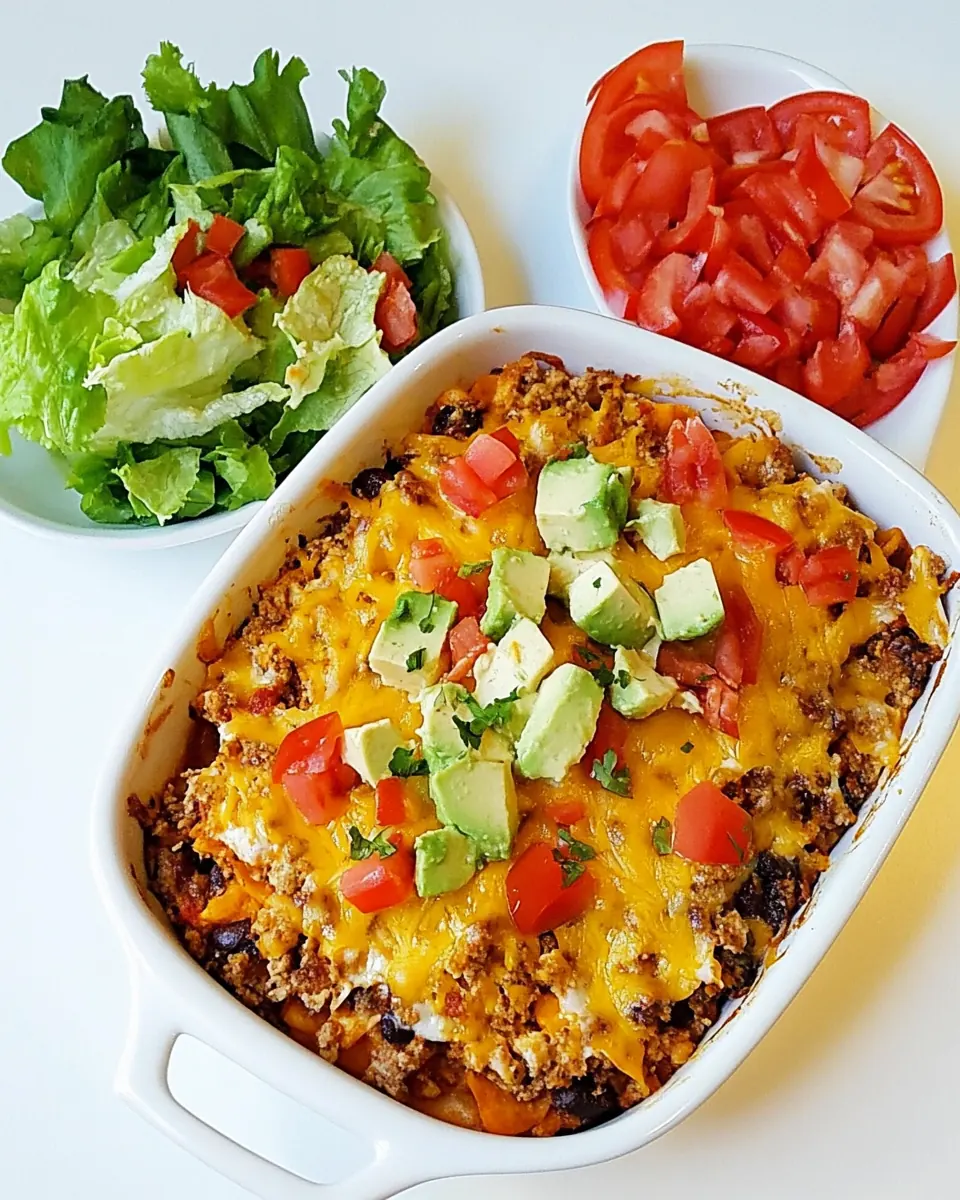
Bake for 25 minutes. Remove from oven. Top with remaining tortilla chips and cheese. Return to oven; bake an additional 3 to 5 minutes or until cheese is melted. Serve with lettuce and tomatoes.: The oven coaxing transforms the layers, warming them through and softening the chips slightly while allowing the cheese to begin melting. You will hear quiet bubbling as moisture migrates and the aroma will deepen into warm, toasted notes. This bake time sets the internal temperature and helps flavors meld. Be careful not to open the oven frequently, which extends bake time and cools the dish. Use the oven light to check doneness instead.
Remove from oven. Top with remaining tortilla chips and cheese.: When you first pull the dish the surface will be warm and steaming, with edges slightly more set. Placing the remaining tortilla chips on top adds a fresh layer of crunch, and the final sprinkle of cheddar cheese ensures a beautiful melted crown. This step refreshes texture and readies the casserole for a quick final melt. If chips are added too early they will become uniformly soft; wait until the initial bake is done.
Return to oven; bake an additional 3 to 5 minutes or until cheese is melted.: This short return creates a glossy, melted topping. In those final minutes you will see the cheddar cheese bubble and smooth out, forming golden edges if left a touch longer. The brief bake warms the top without overcooking the interior. A common error is leaving it in too long which can dry out the top and make chips too brittle. Keep a close eye for the melting cue.
Serve with lettuce and tomatoes.: Right before serving, scatter shredded lettuce and chopped tomatoes across the hot casserole; the coolness will contrast beautifully with the warm layers. The fresh produce adds crispness and a bright, juicy counterpoint that lifts each bite. Add them too early and they will wilt or weep, so wait until just before serving. A simple mistake is over dressing the tomatoes, which can add excess moisture to the plate.