Preparation: Heat oven to 450 degrees F.: Heat oven to 450 degrees F. : You will notice a warm, anticipatory hum as the oven climbs toward 450 degrees F, and a properly preheated oven ensures immediate, even browning on the exterior of the meatballs. This high temperature helps set the outside quickly so the interior remains juicy, yielding that satisfying contrast between a slightly firm crust and a tender core. A common error is skipping preheating, which can cause the meatballs to absorb more heat slowly and become denser rather than developing a light exterior. If your oven runs hot, monitor it with an oven thermometer to avoid overbrowning, and give the pan a few extra minutes to equilibrate if it's cool to the touch before you slide it in.
To make meatballs: Heat olive oil in a frying pan. Add in leeks and cook until translucent, about 2 minutes. Set aside to cool slightly. In a bowl combine 1/2 cup parmesan cheese, plain bread crumbs, salt, milk, Worcestershire sauce and eggs; mix to blend. Add in ground beef, using a sturdy spatula or a wooden spoon mix to combine. Scoop out mixture with a one-ounce cookie scoop or ice cream scoop and form 1 1/2 inch meatballs. Place meatballs in an oven proof skillet or saute pan. Set aside.: Heat olive oil in a frying pan. : Warm the olive oil until it shimmers lightly, a visual cue that the pan is ready and the oil will coat the leeks evenly, releasing gentle savory aromas. You should hear a soft sizzle when the leeks hit the pan, and that gentle sound signals the start of caramelization which adds sweetness. If the oil smokes, the pan is too hot and the flavor will turn bitter, so reduce heat and start again. Allowing the oil to reach the right temperature ensures the leeks become translucent rather than limp, preserving their subtle texture.
To make tomato sauce: In a bowl mix together crushed tomatoes, diced tomatoes and tomato paste. Add mixture to pan with meatballs.: Add in leeks and cook until translucent, about 2 minutes. Set aside to cool slightly. : As the leeks cook, they will go from opaque to translucent and emit a soft, savory scent with a hint of sweetness, and you want to stop at that stage to avoid browning. Cooling them slightly prevents the hot aromatics from scrambling the eggs when they are mixed into the meat mixture, and it also keeps the overall mixture from becoming too warm which can make the meatballs dense. A frequent slip is leaving the leeks in the pan too long; once translucent, remove them promptly to preserve tenderness. A clockwise stir helps them cook evenly and release moisture without sticking.
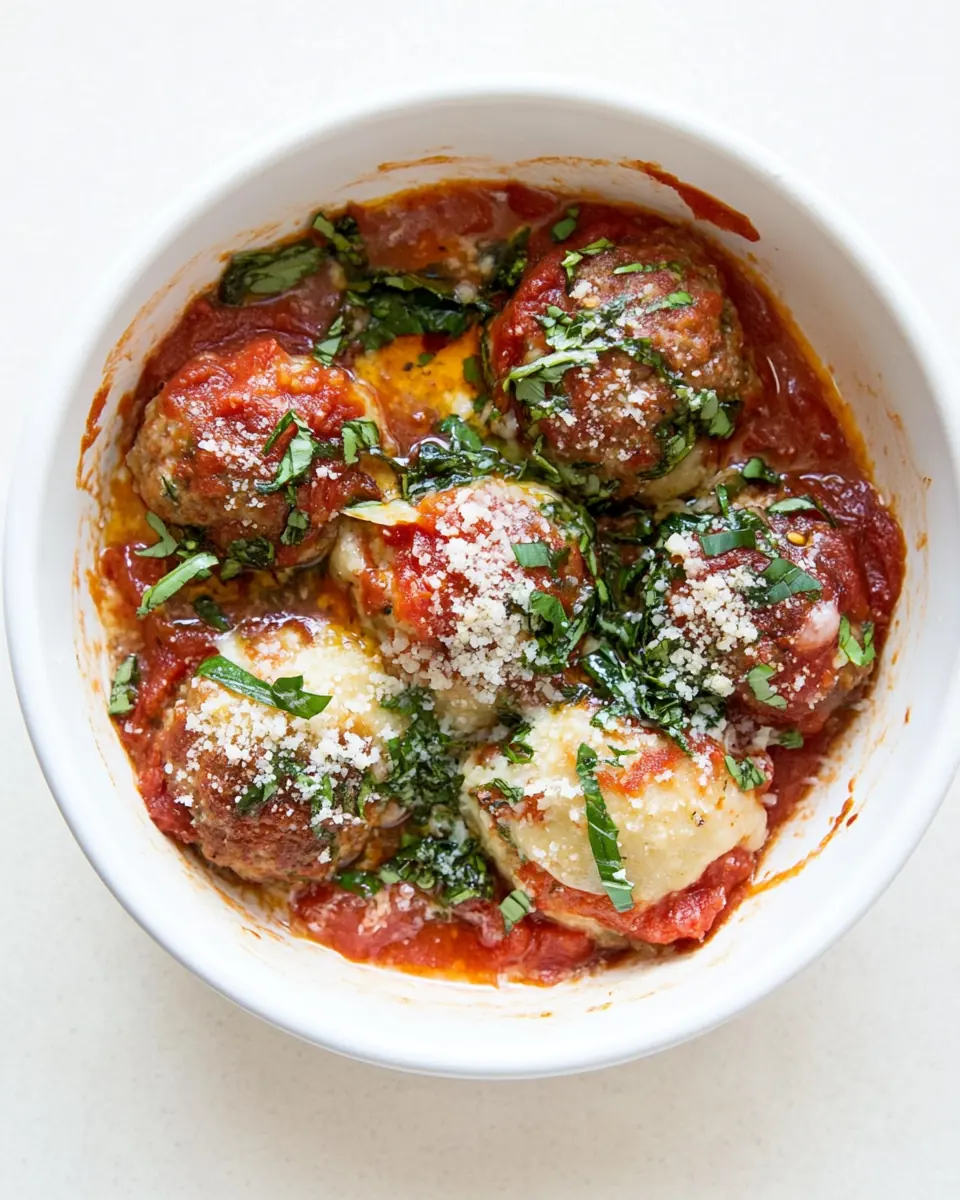
Transfer pan to oven and bake for 20 minutes or until meatballs are cooked through. Remove from oven and sprinkle with parsley and remaining 1/4 cup grated parmesan.: In a bowl combine 1/2 cup parmesan cheese, plain bread crumbs, salt, milk, Worcestershire sauce and eggs; mix to blend. : At this stage, you will sense the creamy texture forming as the plain bread crumbs absorb the milk , creating a mash that will integrate into the ground beef and guard against dryness. The aroma of parmesan cheese mingles with the tangy Worcestershire sauce, and you should fold gently to avoid overworking the mixture. Overmixing here can lead to tough meatballs, so blend until uniform and stop. If the mixture feels too wet, resist adding more crumbs right away; instead chill briefly to let the crumbs hydrate fully.
To make polenta: Add milk and stock into a medium sauce pan and bring to a boil. Gradually whisk in polenta. Reduce heat to low and cook, stirring frequently until mixture thickens, about 20-25 minutes. Turn off heat and add in parmesan cheese.: Add in ground beef, using a sturdy spatula or a wooden spoon mix to combine. : Once the ground beef is introduced, the bowl fills with that rich, meaty scent and the mixture should look evenly speckled with the binders. Use a firm tool like a wooden spoon to fold components together with care, distributing the parmesan cheese and aromatics without compacting the meat. A tactile check is helpful, the mixture should hold shape but not be overly tight. Avoid packing the meat tightly, which squeezes out the air and yields dense meatballs. If the mix feels sticky, a short rest in the fridge will make it easier to portion.
To make meatballs: Scoop out mixture with a one ounce cookie scoop or ice cream scoop and form 1 1/2 inch meatballs. : As you portion, you will feel the give of the meat and see a uniform, rounded shape form, which helps even cooking. Using a scoop creates consistent sizes, so each meatball bakes at the same rate. Lightly roll them between your palms to smooth seams, but avoid pressing hard, because that compacts the meat and reduces tenderness. A common mistake is making unevenly sized meatballs, which leads to some overcooked and some undercooked pieces, so measure carefully for predictability.
To make meatballs: Place meatballs in an oven proof skillet or saute pan. Set aside. : Lining the meatballs in a single layer in the pan allows air and sauce to circulate, promoting even browning and cooking. You will hear a faint settling sound as each meatball lands in the pan, and spacing them prevents steaming which can make the exterior soggy. If the pan is overcrowded, transfer to a second baking dish instead, because crowded meatballs will release moisture and lose that appealing crust. Leaving them to rest briefly helps the surface set before sauce is added.
To make tomato sauce: In a bowl mix together crushed tomatoes, diced tomatoes and tomato paste. : When you mix the tomatoes and paste, the sauce will look glossy and deep red, and a bright, acidic tomato scent will rise. This concentrated base works to deliver both body and brightness to the finished dish. Whisking until uniform helps distribute the tomato paste so you do not get pockets of intense paste in the sauce. Beware of adding uncooked sugar to mask acidity, because it can flatten the natural tomato profile; balance with seasoning instead.
To make tomato sauce: Add mixture to pan with meatballs. : As the sauce meets the gently browned meatballs, the pan will steam and tiny bubbles will appear at the edges, signaling the sauce beginning to meld. This contact allows the meat to release juices that enrich the sauce, creating a cohesive final product. Stir gently at the edges to integrate but avoid vigorous stirring that can break the meatballs. A common slip is pouring cold sauce over a hot pan too quickly which causes splattering; temper the sauce briefly or add it slowly to control splatter.
Transfer pan to oven and bake for 20 minutes or until meatballs are cooked through.: Baking concentrates flavors and sets the outside texture; you should see the sauce bubbling and the meatballs develop a faintly browned exterior. Use the internal visual cues, the meatball centers should lose raw pinkness, and a thermometer should read at least 160 degrees F for ground beef . Avoid overbaking, because that dries the meat. If the sauce is bubbling too vigorously and threatening to brown excessively, reduce oven temperature slightly and check earlier than the timer.
Remove from oven and sprinkle with parsley and remaining 1/4 cup grated parmesan.: The finishing sprinkle of parmesan cheese melts slightly into the hot sauce, offering a savory, nutty lift, while the parsley adds a fresh, herbal brightness that cuts richness. You will notice an immediate fragrance change as the herbs release oils from warmth. Resist slicing into the meatballs right away, they benefit from a brief rest which redistributes juices. Cutting too soon can cause the meatballs to expel their moisture and seem dry on the plate.
To make polenta: Add milk and stock into a medium sauce pan and bring to a boil. : The small, rising bubbles and steam indicate the liquid is ready for the polenta , a stage where careful attention prevents clumping. Bringing the liquid to a steady boil ensures even cooking when you whisk in the grain. A common mistake is rushing this step, which can lead to uneven texture and lumps in the polenta. Keep a close eye, and reduce heat if the liquid threatens to boil over.
To make polenta: Gradually whisk in polenta. : As the polenta hits the hot liquid, whisking continuously prevents lumps and creates a smooth, creamy texture; you will see the mixture thicken and turn glossy. The sound changes to a steady, gentle simmer, and the aroma becomes toasty and comforting. If you pour the polenta all at once, it will clump, so add slowly and whisk deliberately. Use a whisk with a sturdy handle so you can maintain pressure without fatigue.
To make polenta: Reduce heat to low and cook, stirring frequently until mixture thickens, about 20 to 25 minutes. : The long, slow simmer develops a rich, creamy mouthfeel as the granules soften, and stirring prevents sticking and creates a uniform texture. You will see the polenta pull away slightly from the sides of the pan when it is ready, and the scent will shift to a warm, corn forward note. A common pitfall is walking away from the pot, which can cause scorching on the bottom; keep stirring and adjust heat to keep a gentle bubble.
To make polenta: Turn off heat and add in parmesan cheese. : When you fold in the parmesan cheese , the polenta becomes silkier and gains a savory finish that complements the meatballs. The cheese melds into the residual heat, creating a glossy, cohesive texture. If the polenta seems too firm, stir in a splash more milk to loosen it. Avoid adding the cheese too early, because high heat can cause it to separate and grain the texture.