Bring large pot of salted water to a boil and cook pasta according to package directions to al dente. Drain and set aside until ready to use.: When the water hits a rolling boil and you add salt, the kitchen fills with a faint mineral steam and the pot hums as starches swell. Cooking the pasta to al dente ensures it retains structure after mixing with sauce and baking, preventing a mushy final texture. A good cue is to taste a strand about a minute earlier than the package suggests, you want a slight resistance in the center. Avoid overcooking, which is a common misstep and will lead to a soft, limp timballo that collapses when sliced. After draining, let the pasta sit briefly so excess water evaporates, which helps the sauce cling better during assembly.
While pasta is cooking, prepare the eggplant. Set oven to broil. Trim top and slice 1/2-inch thick. Brush bottom of baking sheet with some of the 2 tablespoons of olive oil. Spread eggplant evenly on the baking sheet. Brush the remaining olive oil over the top of the eggplant. Place under the broiler and cook until tender and browned, about 6-7 minutes total, flipping halfway. Remove from oven and set aside until ready to use.: Broiling eggplant slices brings an immediate caramelized aroma and a visual cue of browned edges. When you brush the baking sheet and both sides of the slices with olive oil , you'll hear a faint sizzle as they hit the hot surface under the broiler, and the slices will soften and take on golden to dark brown spots. Flip halfway to achieve even charring, and test tenderness by pressing with a fork; the flesh should yield without falling apart. This method concentrates flavor and reduces moisture that could make the timballo soggy. Common problems include slicing unevenly which causes thinner pieces to overcook; aim for consistent 1/2 inch thickness.
In a large sided skillet, heat 1 teaspoon olive oil on medium-high heat. Add onion and garlic and cook until tender, about 3-4 minutes. Add sausage, crumbling with a spatula, and cook until browned, about 7-9 minutes total. Add marinara, artichoke hearts, and olives. Bring to a simmer and cook 15 minutes until flavors have melded. Stir in peas and cook until warmed through. Remove from heat and set aside to cool slightly.: Oiling the sheet prevents sticking and helps the eggplant brown rather than steam. You should see the oil shimmer when the sheet warms under the broiler, and the surface will smell faintly fruity from the olive oil . This simple step promotes even contact and crisping on the exterior of the slices. If you skip enough oil, the eggplant can adhere and tear when you try to flip, so take the moment to coat the pan evenly.
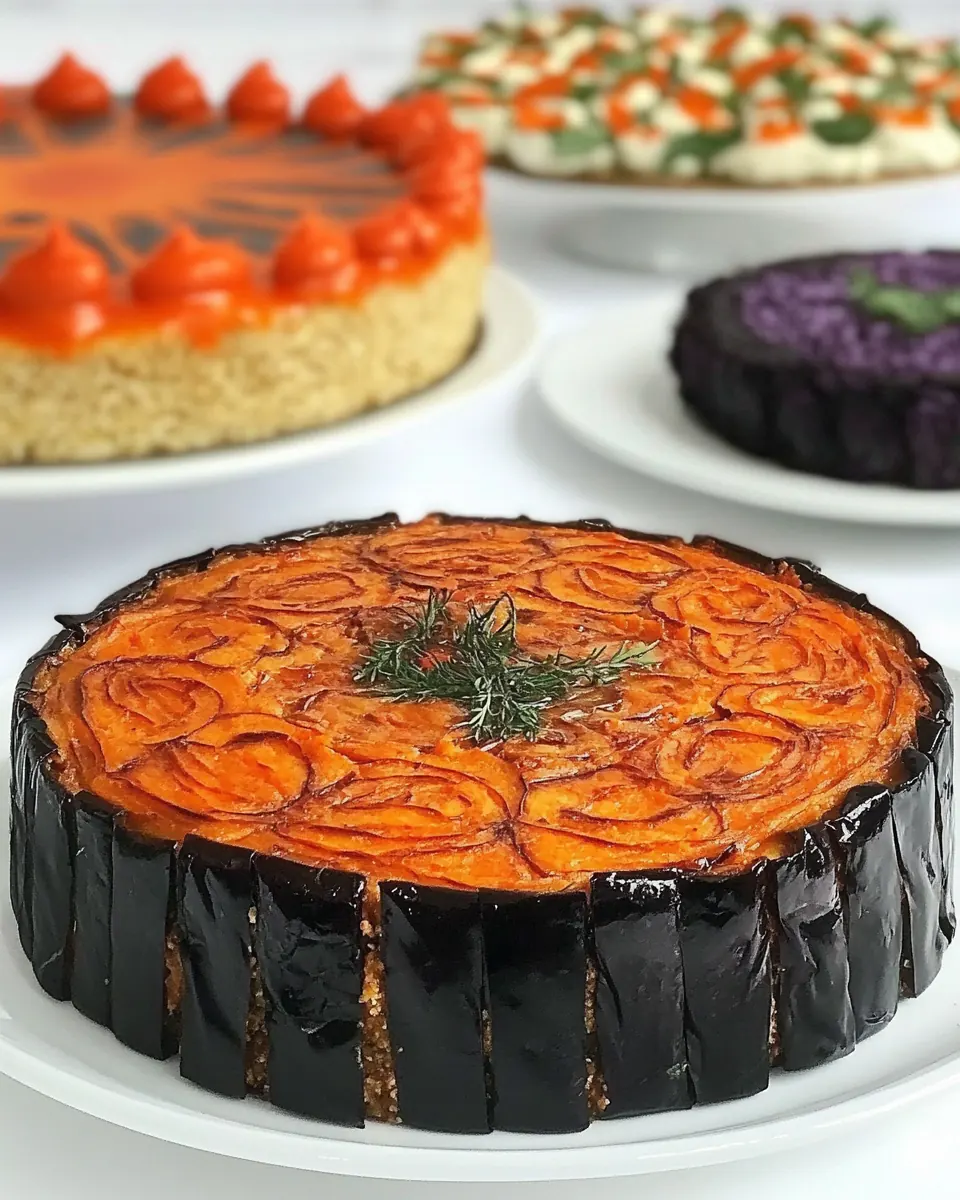
Preheat oven to 375 degrees. Brush a 9 inch springform pan with olive oil. Layer eggplant slices evenly over the bottom, overlapping if needed. Stir pasta into the sauce. Add beaten egg and toss until evenly combined. Pour pasta over the eggplant slices and flatten with a spatula. Place in the oven and bake 45 minutes until edges are browned and timballo is set. Remove from oven and set aside to cool at least 20 minutes before slicing, otherwise it will fall apart.: Laying the eggplant slices in a single layer ensures consistent broiling and uniform texture. When the slices are crowded, they steam instead of brown, losing that desired edge. You should be able to see spaces between slices and smell the developing roasted notes after a few minutes under heat. If your sheet is too small, use two batches to avoid uneven results, which is an easy oversight that affects final mouthfeel.
Brush the remaining olive oil over the top of the eggplant: A light brush on top seals in moisture and promotes a glossy, caramelized surface. The oil will aid in crisping and give the roasted slices a richer mouthfeel, noticeable in the first bite. Over-oiling can lead to greasy patches, so aim for an even, thin coat. This finishing touch matters because it keeps the eggplant from drying out during cooling and assembly.
Place under the broiler and cook until tender and browned, about 6 to 7 minutes total, flipping halfway: Under the broiler, you'll see edges color quickly and a toasted scent will fill the air. Flip when the top looks golden to deeply speckled, and expect a soft interior that resists gently to a fork. This balance of exterior char and a yielding center is what makes the eggplant layer both flavorful and structural. Watch closely as broilers vary wildly; too close and they blacken too fast, too far and they barely brown, which is a frequent timing pitfall.
Remove from oven and set aside until ready to use: Allowing the eggplant to rest cools it so it does not steam the assembled timballo. You should notice it becoming slightly firmer as it cools, which makes layering easier. If you try to build immediately while pieces are piping hot, the trapped steam can make the final dish damp and compromise the set when baked. Patience here improves structure.
In a large sided skillet, heat 1 teaspoon olive oil on medium-high heat: Heating the skillet until the oil just shimmers primes the pan for aromatic release. The first sizzle when ingredients hit signals that flavor development through browning will occur. This step creates the savory foundation for the sauce, and rushing it by starting on too low heat prevents the caramelized notes that define the final profile. Avoid burning by keeping an eye on the oil and adjusting heat as needed.
Add onion and garlic and cook until tender, about 3 to 4 minutes: The smell of softened onion and roasted garlic is immediate and comforting, releasing sweet and savory aromatics that form the base of the sauce. You want translucency and gentle browning without charring, which yields sweeter depth. If the pan seems to dry, a splash of the reserved oil helps; scorching raw aromatics is a typical mistake that makes the sauce bitter, so keep them moving in the pan.
Add sausage, crumbling with a spatula, and cook until browned, about 7 to 9 minutes total: As the sausage sizzles and browns, it releases fat and rich meaty aromas that coat the pan. Breaking it into small bits creates crispy edges and concentrated flavor pockets. Browning transforms the sausage through Maillard reactions, adding complexity you will taste in the final dish. Be mindful to stir and scrape up browned bits, as those browned fond pieces are flavor gold; underbrowning leaves the sauce flat.
Add marinara, artichoke hearts, and olives: Once you introduce the marinara , the pan will steam slightly and the sauce will take on a tangy, herb scented personality. The artichoke hearts and chopped olives add textural and flavor contrasts that punctuate the sauce, providing briny and bright moments. Stir to combine so each forkful will have a balance of elements. If you add these too early, the delicate artichokes can break down excessively, losing their pleasant bite.
Bring to a simmer and cook 15 minutes until flavors have melded: A gentle simmer lets acidity soften and ingredients harmonize, producing a cohesive sauce that tastes more rounded than a quick combine. You will notice the aroma deepen and the sauce thicken slightly as water reduces. Stir occasionally to prevent sticking, and taste to adjust seasoning in your head; lack of simmer time is a common cause of a thin, undeveloped sauce.
Stir in peas and cook until warmed through: Adding the peas at the end preserves their color and a tender pop in texture. They will blanch in the hot sauce and introduce a sweet vegetal note that brightens the overall dish. Overcooking the peas makes them lose their snap and vibrant hue, so fold them in only to warm through.
Remove from heat and set aside to cool slightly: Cooling the sauce before tossing with pasta prevents the eggs from scrambling when you add them later. You should see steam subside and viscosity settle, which helps in achieving an even coating on the pasta . If the sauce is too hot, the final bake can become watery or the binder may fail, so patience is important.
Preheat oven to 375 degrees: Setting the oven early ensures it reaches a stable temperature so the timballo bakes evenly once assembled. You will feel the ambient heat and can rely on a consistent environment to set the eggs and brown the edges properly. An oven that is not fully preheated often leads to uneven baking and soggy outcomes.
Brush a 9 inch springform pan with olive oil: Oiling the pan inside helps the eggplant release after baking and promotes a lightly crisp exterior on the edges. The oil will also help the first layer adhere slightly, forming a base. If you skip oiling, parts may stick and tear when unmolding, so take this small step for a clean presentation.
Layer eggplant slices evenly over the bottom, overlapping if needed: Creating a continuous, overlapping layer of eggplant forms the timballo's base and keeps fillings contained. You want a neat mosaic so the final slice looks composed. Overlapping helps seal gaps where sauce could seep, but avoid piling too thickly or it will hinder even baking.
Stir pasta into the sauce: Coating the pasta evenly lets every strand absorb flavor and makes for cohesive layers. Visually, the pasta should glisten with sauce and be free of excess liquid. If you see pools of sauce, let some reduce or blot very gently, because excess moisture can make the timballo soft rather than set.
Add beaten egg and toss until evenly combined: The beaten eggs act as a binder, creating a custardy matrix as the timballo bakes. When mixed through the warm pasta and sauce, the eggs will distribute so each bite sets together. If the mixture is steaming hot, the eggs may coagulate prematurely; cooling slightly before adding is a safeguard against a scrambled texture.
Pour pasta over the eggplant slices and flatten with a spatula: Pressing the mixture into the pan compacts it so the timballo holds together after baking. You want to feel slight resistance and see a smooth top as air pockets are worked out. If you leave it loose, the structure will be fragile when sliced, so take time to tamp it evenly.
Place in the oven and bake 45 minutes until edges are browned and timballo is set: During baking you will notice the edges turn a golden brown and the center becomes firm to the touch. The aroma will deepen and the surface may develop gentle bubbling where sauce rises. This baking step finishes the custard set and melds flavors. Underbaking results in a wobbly center, while overbaking can dry the timballo, so aim for a firm but not desiccated texture.
Remove from oven and set aside to cool at least 20 minutes before slicing, otherwise it will fall apart: Cooling allows the internal structure to firm up so slices hold together neatly. You should see steam dissipate and feel the timballo become more sliceable as it cools. Cutting too soon is a frequent error and will result in a collapsed presentation, so be patient and let the layers rest before serving.