Prepare the grill for medium-high heat (400-450°F). Heat the grates then brush them clean.: A hot grill is what gives the corn that sought after char and smoky scent, which I look for before I even put the cobs down. You should hear a steady hiss when the corn touches the grates and smell a faint toasty aroma right away, a clear sign the sugars are reacting. If the grill is not hot enough, the kernels will steam rather than char, producing bland results; conversely, if it is too hot they may blacken too quickly and remain raw inside. Keep a close ear for sizzling, and if you see flare ups move the cobs to a cooler zone to avoid burning the husks completely. A common slip at this stage is rushing the heat up with an empty grill which can damage grates, so heat gradually and clean the grates before cooking.
Remove the first layer of rough husks from the corn cobs, keeping the more tender husk to protect the kernels. Trim the silk tassels from the corn cobs. Place the cobs directly on the grates. Close the lid and grill for 10-15 minutes or until the corn is fragrant and the husks are browned, turning the cobs every few minutes.: Warm, clean grates prevent sticking and promote even contact between the corn and metal, helping produce those attractive grill marks. As you brush, you may notice small bits loosening from previous cooks, but a quick wire brush and a wipe will do the trick. The sound here is subtle, a light rasp as the bristles move across the metal, and you should not hear anything loud or clanging. Leaving debris can cause uneven charring or impart off flavors, so take the extra moment to tidy the surface. Avoid using oily residues which can smoke heavily and give a bitter note to your corn .
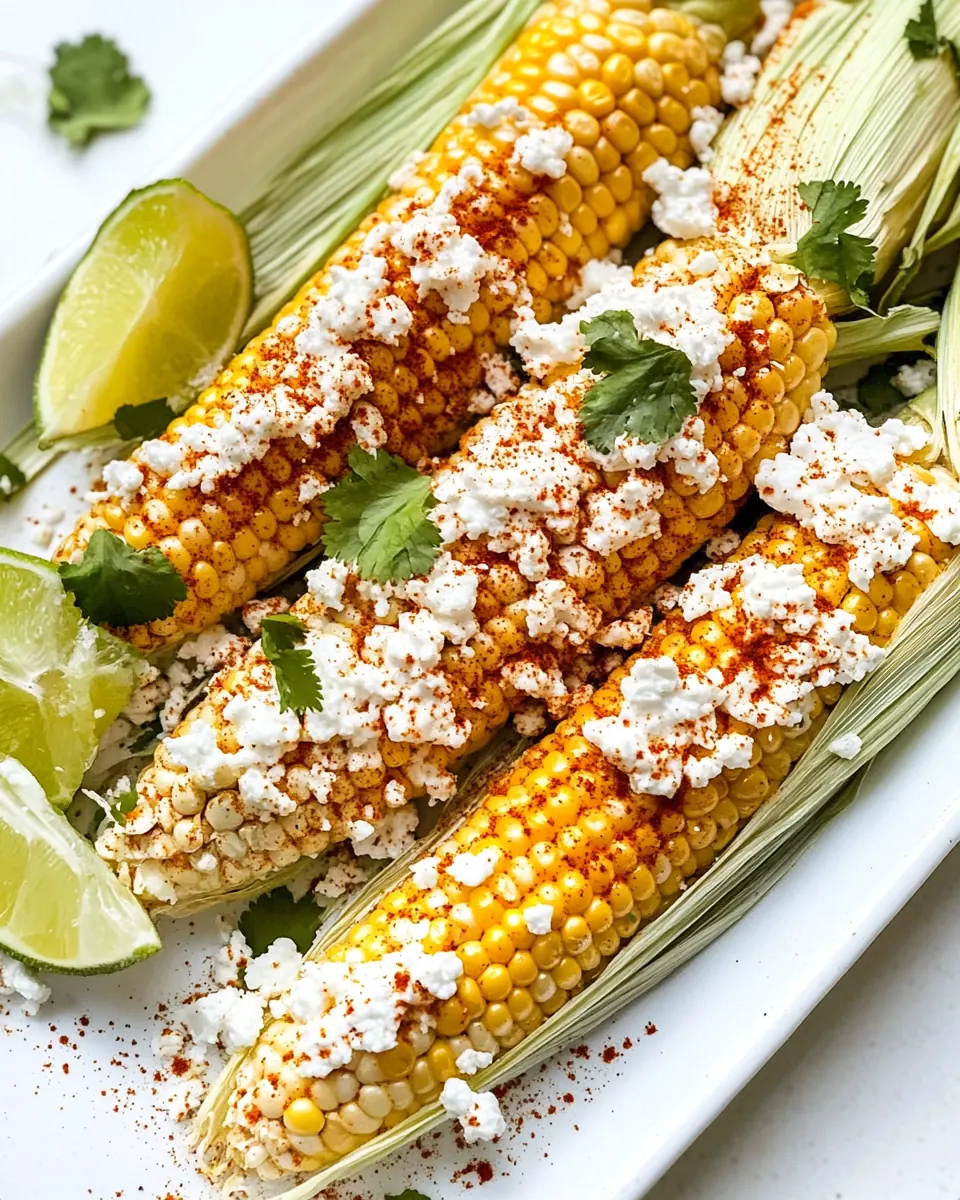
While the corn is cooking, in a small bowl mix the sour cream, mayonnaise, and lime juice. Crumble the cotija cheese in a small bowl. Remove the corn from the grill. Use a towel to hold the corn and shuck the husks and silk. Slather each cob with the mayo spread, sprinkle generously with cheese then season with the chile powder and Tajin, adding more or less to taste. Add a final squeeze of lime if you'd like. Serve warm.: This partial husk removal protects the kernels while allowing some smoke to reach them, giving a soft balance between direct char and steamed sweetness. You will feel the texture difference as you peel; the inner husks are pliable and will help shield the kernels from direct flame while the exposed tips char. Be careful not to strip all husks away, which would expose the cob too much and risk drying the kernels out. A typical mistake is trimming silk hastily, leaving strands that char onto the kernels, so take time to pull the silk gently and remove it thoroughly.
Trim the silk tassels from the corn cobs: Trimming silk reduces flare ups and prevents tough strands from getting stuck in the final bite, which I always check for when I shuck the cobs later. You will notice a faint papery sound as the tassels are snapped or cut away, and the cob surface will feel smoother to the touch. Leaving too much silk can result in a chewy, unpleasant texture after grilling, so be thorough. A frequent oversight is not washing hands after handling silk which can transfer bits of fiber to other ingredients, so keep a tidy station.
Place the cobs directly on the grates: As the corn meets the hot metal you will hear a brighter sizzle, and within a minute you should catch a toasty aroma rising. Position each cob with space around it so heat circulates evenly. If you crowd the grill, some cobs will char more than others, creating uneven cooking. If you notice uneven color, rotate the cobs more frequently to promote uniform caramelization. One common hiccup I see is placing cobs too close to a flame source which causes one side to scorch while the other remains pale, so monitor placement closely.
Close the lid and grill for 10 to 15 minutes or until the corn is fragrant and the husks are browned, turning the cobs every few minutes: The lid traps heat and smoke, aiding even cooking and infusing the kernels with that charcoal essence. You should catch intermittent pops as the kernels release steam, and the husks will darken to a deep brown rather than pure black, signaling readiness. Turn the cobs to all sides to get an even char and toasting of the kernels; a steady, moderate rotation yields the best texture. Avoid leaving the lid up constantly, which cools the grill and lengthens cooking time, producing a steamed texture instead of the desired crisp burst. A common mistake is removing the cobs too early; undercooked kernels feel dense and lack the sweet, tender bite you want.
While the corn is cooking, in a small bowl mix the sour cream, mayonnaise, and lime juice: The mixture should look glossy and slightly thick, smelling of bright citrus and creamy tang. Whisking briefly by hand is enough, you will notice the texture go from lumpy to smooth, and the aroma should lift as the lime releases its oils. This spread is crucial for helping the cheese and spices adhere, creating that signature mouth coating. If you over dilute it with extra liquid, it will not cling well and the finish will be sloppy, so keep it thick. A typical error is adding too much lime at once; add incrementally and taste to maintain balance.
Crumble the cotija cheese in a small bowl: The cheese should be crumbly and mildly salty, with a dry texture that helps it cling to the creamy spread on the hot corn . Use your fingers or a fork to break it into fine bits; you will smell a faint milky tang that hints at the final flavor. Finely crumbled cheese adheres better than large chunks which can fall off when eating, so aim for a consistent crumble. Avoid overhandling which can compress the cheese into clumps rather than fluffy crumbles.
Remove the corn from the grill: When the husks show even browning and the kernels are fragrant and slightly blistered, transfer the cobs to a plate using tongs and a towel for protection. The heat radiating from the cobs will be strong, and you may see small wisps of steam as you move them, a reassuring sign they are hot enough to melt the cheese slightly. If the cob feels too soft or mushy, it may be overcooked, so aim for firm but tender kernels. Common mistakes include leaving the cobs on warm grates where residual heat can continue to cook them beyond the desired point.
Use a towel to hold the corn and shuck the husks and silk: As you peel back the husks, the aroma intensifies and any remaining silk should come away cleanly. Holding the cob with a towel protects your hand and helps you work quickly while the heat is still helping the spread and cheese adhere. If silk remains, remove it before adding the topping because it can create an unpleasant stringy texture in each bite. A common oversight is shucking too far in advance, which lets heat escape and reduces the cheese's ability to melt slightly into the kernels.
Slather each cob with the mayo spread, sprinkle generously with cheese then season with the chile powder and Tajin, adding more or less to taste: The tactile pleasure here is unmistakable, as the creamy spread glides over hot kernels and the cotija cheese sticks to this tacky surface, creating a layer that is both rich and crumbly. Dust the surface evenly so each bite has balance between cream, salt, and spice. Taste one cob and adjust the seasoning if needed, perhaps a touch more lime for brightness or extra chili powder for heat. A common mistake at this final stage is over seasoning too early, so season lightly and add more at the table if needed.
Add a final squeeze of lime if you'd like: That last spritz of lime adds a flash of acidity that wakes the palate and ties all the elements together, making each bite pop with contrast. The scent of citrus at this moment is vivid and uplifting, and it helps cut through the richness so the corn does not feel heavy. Avoid adding too much or it can overpower the more subtle roasted and cheesy notes; a gentle hand yields the best balance. If you are serving to guests, offer extra wedges so individuals can finish to their preference.
Serve warm: The ideal temperature for Elote is right off the grill, when the heat helps the spreads meld and the textures are at their most inviting. Each bite should present hot kernels, cooling creamy coating, and the dry salt of the cotija cheese . If you let it sit too long, the coating can firm up and lose its luscious mouthfeel, so plan to serve promptly. A frequent misstep is leaving plated cobs in a warm oven which can continue to cook them and change the texture undesirably.