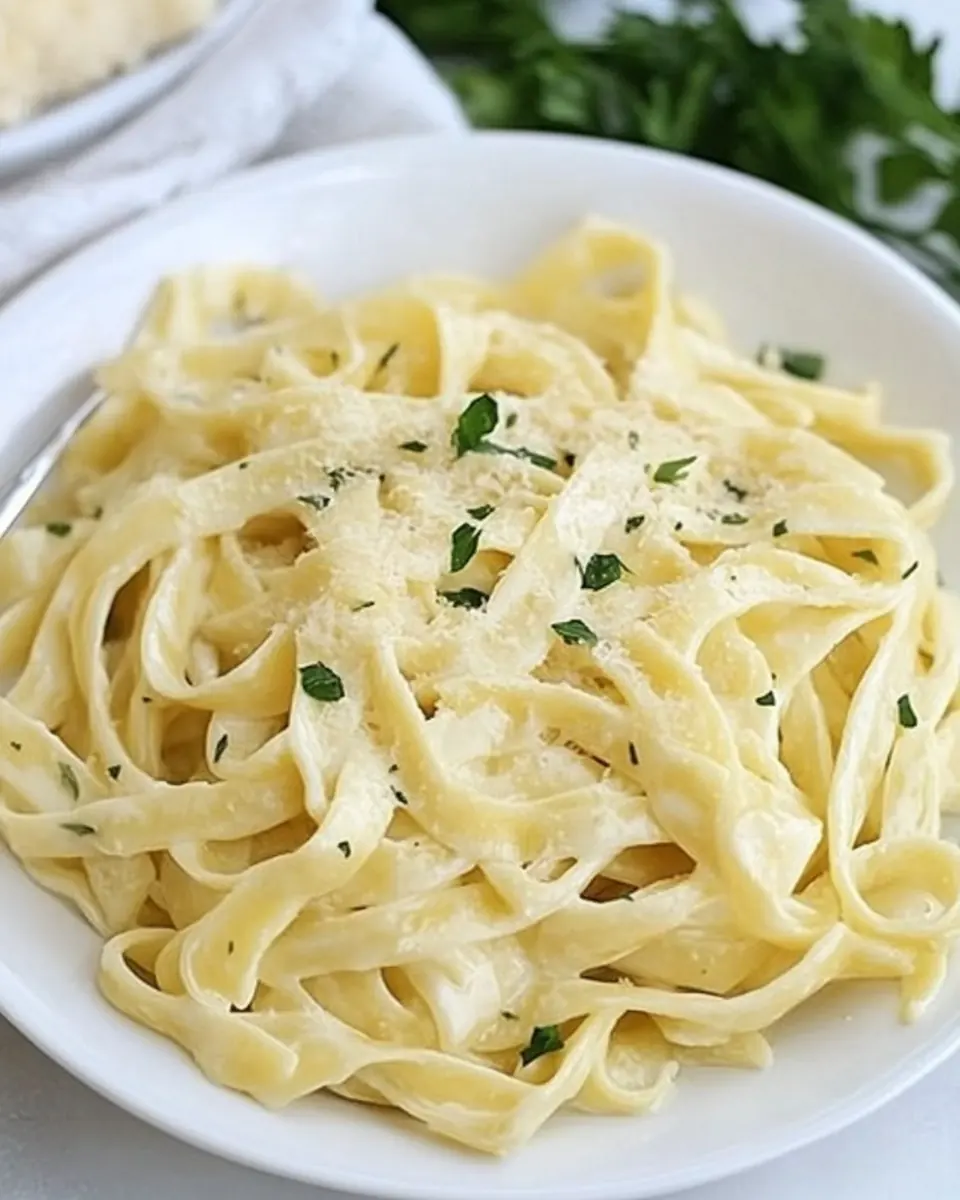
Melt the butter in a medium saucepan over medium-high heat. Add the garlic and cook 2-3 minutes. Add the heavy cream and bring to a gentle simmer.: The moment the butter hits the pan you should hear a gentle sizzle and notice a glossy sheen as it liquefies, filling the kitchen with a warm, dairy aroma. This sound and scent indicate the pan is at the right temperature. The reason we start here is that the butter forms the flavor foundation and carries the aromatics. If the butter begins to brown, the taste will turn nutty and deviate from the intended clean richness, so reduce the heat if you see any browning. A common misstep is rushing the heat which can burn the butter, so aim for steady melting rather than rapid melting.
Place the egg yolks in a small bowl and whisk in 1/4 cup of the hot cream, whisking constantly. Whisk the egg yolk mixture back into the pot, whisking constantly until incorporated. Simmer until the sauce is lightly thickened, about 2 minutes. Whisk the cheese into the sauce until melted. Add the lemon zest, salt, nutmeg and 2 tablespoons of the reserved pasta water.: As the minced garlic sings softly in the butter, you should pick up a fragrant, slightly sweet aroma that signals the raw edge is gone. The garlic should become translucent, not browned, because browning introduces bitterness that will alter the sauce. Cooking for the suggested time allows the garlic to mellow and infuse the butter without taking center stage. If your garlic starts to darken, pull the pan off the heat briefly and let it cool, then proceed, because burnt garlic is hard to rescue.
Remove the hot pasta from the water with pasta tongs, letting most of the water drip off, and place directly into the sauce. Stir until the pasta is thoroughly coated. Add a little more of the reserved pasta water if necessary. Serve immediately for the best consistency.: When you pour in the heavy cream , it will steam and slightly thicken as it warms, releasing a creamy scent that rounds out the butter and garlic. Aim for a gentle simmer, small bubbles around the edge, rather than a rolling boil, because a vigorous boil can separate the cream or reduce it unevenly. This warming step softens the cream and sets the stage for the sauce to thicken without becoming grainy. A typical problem is overheating which leads to curdling, so monitor the heat and stir occasionally.
Place the egg yolks in a small bowl and whisk in 1/4 cup of the hot cream, whisking constantly: The first contact of hot liquid with the egg yolks should be gradual, and you will see the yolks lighten and become glossy as they emulsify with the cream. This tempering avoids scrambling by slowly equalizing the temperature. The whisking creates a smooth, satiny texture which is essential for the final sauce to be cohesive. If you pour the hot cream too quickly into the yolks, they will scramble and produce lumps that cannot be smoothed out easily.
Whisk the egg yolk mixture back into the pot, whisking constantly until incorporated: As the tempered yolk mixture blends into the warm cream, you will notice the sauce take on a thicker, silkier texture and a slightly deeper color. Constant whisking prevents the yolks from cooking into curds and helps the sauce emulsify into a glossy, cohesive mixture. This step is crucial because it creates structure and richness without adding heaviness. A frequent error is stopping the whisking too soon, which risks uneven texture and small cooked egg bits.
Simmer until the sauce is lightly thickened, about 2 minutes: During this brief simmer the sauce will reduce subtly, becoming more clingy and viscous so it can coat each strand of fettuccine . Watch for the sauce to coat the back of a spoon, a visual cue that it is ready. You should smell a concentrated dairy sweetness and see a smooth surface with small rising bubbles. Over-reducing here will make the sauce too heavy and may lead to separation, so keep an eye on it and remove from heat once it has lightly thickened.
Whisk the cheese into the sauce until melted: Adding the freshly grated Parmigiano Reggiano will introduce a savory, salty aroma and the sauce will become silkier as the cheese melts. Stir slowly and steadily until the cheese is fully incorporated and the texture is glossy. The cheese adds body and umami, and melting it gently prevents clumping. If the heat is too high, the cheese can seize and become grainy, so reduce the temperature and whisk patiently.
Add the lemon zest, salt, nutmeg and 2 tablespoons of the reserved pasta water: At this finishing stage, the lemon zest gives a bright scent, and a pinch of nutmeg provides warmth, both balancing the rich dairy notes. Adding a measured amount of the reserved pasta water loosens the sauce and helps it bind to the pasta because of the starch. The sauce should have a silky sheen and a balanced flavor profile. Adding too much water at once can make the sauce runny, so add gradually and taste as you go.
Remove the hot pasta from the water with pasta tongs, letting most of the water drip off, and place directly into the sauce: When you lift the fettuccine from the pot, you should see long, glossy strands that glisten with a little surface water. Dropping the pasta straight into the sauce encourages the sauce to adhere to each strand. The gentle toss and stir will marry the sauce and pasta, and you will hear a soft, wet-slapping sound as the strands move and coat. A common mistake is draining completely and letting the pasta sit, which cools it and prevents proper sauce adhesion.
Stir until the pasta is thoroughly coated: At this moment you should feel the sauce cling to the fettuccine , the strands looking glossy and separated, not clumped. If needed, add a touch more reserved pasta water to achieve a silky, clingy consistency. This tactile test tells you the sauce has the right emulsion and sheen. Overmixing aggressively can break the sauce down, so toss gently until each strand is evenly coated.
Add a little more of the reserved pasta water if necessary: If the sauce seems too thick, the addition of small amounts of the starchy reserved water will loosen it while maintaining the emulsion, creating that restaurant style cling. The water’s starch helps the sauce bind rather than dilute, and it will gloss the surface pleasantly. Be cautious with quantity because too much water will thin the sauce excessively; add in teaspoons until the desired consistency is reached.
Serve immediately for the best consistency: The final sensory cue is the plate itself, the steam rising and the fragrant mix of cheese and lemon zest . Serve while hot so the sauce remains silky and the pasta has the ideal texture. If left standing, the sauce can thicken and lose its lustrous quality. A common pitfall is letting it sit too long, which will change the mouthfeel and intensity of flavor.