Place all ingredients except for the cream into a bowl and whisk with an electric mixer until smooth.: The bowl will smell warmly spiced almost immediately, with the aroma of cinnamon , ginger , and nutmeg rising as you blend. You should hear a steady, even whir as the electric mixer works through the pumpkin puree and chilled cream cheese , breaking up any lumps and creating a satiny, unified batter. Visually, the mixture should look glossy and uniform, with no streaks of white cream cheese or orange pumpkin. The reason this step is important is texture cohesion, it ensures the base is smooth so the whipped cream can fold in seamlessly. A common mistake is overworking at high speed which can warm the mixture and make it loose, so use medium speed and scrape the sides occasionally for even blending. If you notice any graininess, pause and scrape the bowl, then mix gently until smooth.
In a separate bowl, whip the cream until nice and thick.: As you whip the chilled heavy whipping cream , listen for a change in the sound, from a thin splash to a thicker, more cushioning beat, signaling aeration. You'll see soft peaks form first, then approach the point just before stiff peaks, where the cream is supple but holds shape. The smell will be fresh and neutral, offering a hint of dairy sweetness. The whipped cream provides the mousse's lift, creating that feather light mouthfeel, so timing is crucial. A typical problem is overwhipping, which leads to a grainy texture and separation; stop when you reach just under stiff peaks. If you accidentally overwhip, you can often rescue it by adding a tablespoon of unwhipped cream and gently folding to regain creaminess.
Fold the whipped cream into the pumpkin mix.: At this stage, the texture contrast is key, you should feel the heavier pumpkin mixture lighten as you incorporate the airy whipped cream. Use a large spatula and employ a gentle lifting and turning motion, cutting through the center and sweeping the bowl sides, so you preserve as much air as possible. The visual cue is a gradual lightening of color and a softer, cloud like texture emerging. This technique matters because vigorous stirring will deflate the whipped cream and yield a denser mousse. One common mistake is rushing this step, which leads to lost volume; take your time and fold in small additions if needed until the blend is homogeneous but still lofty.
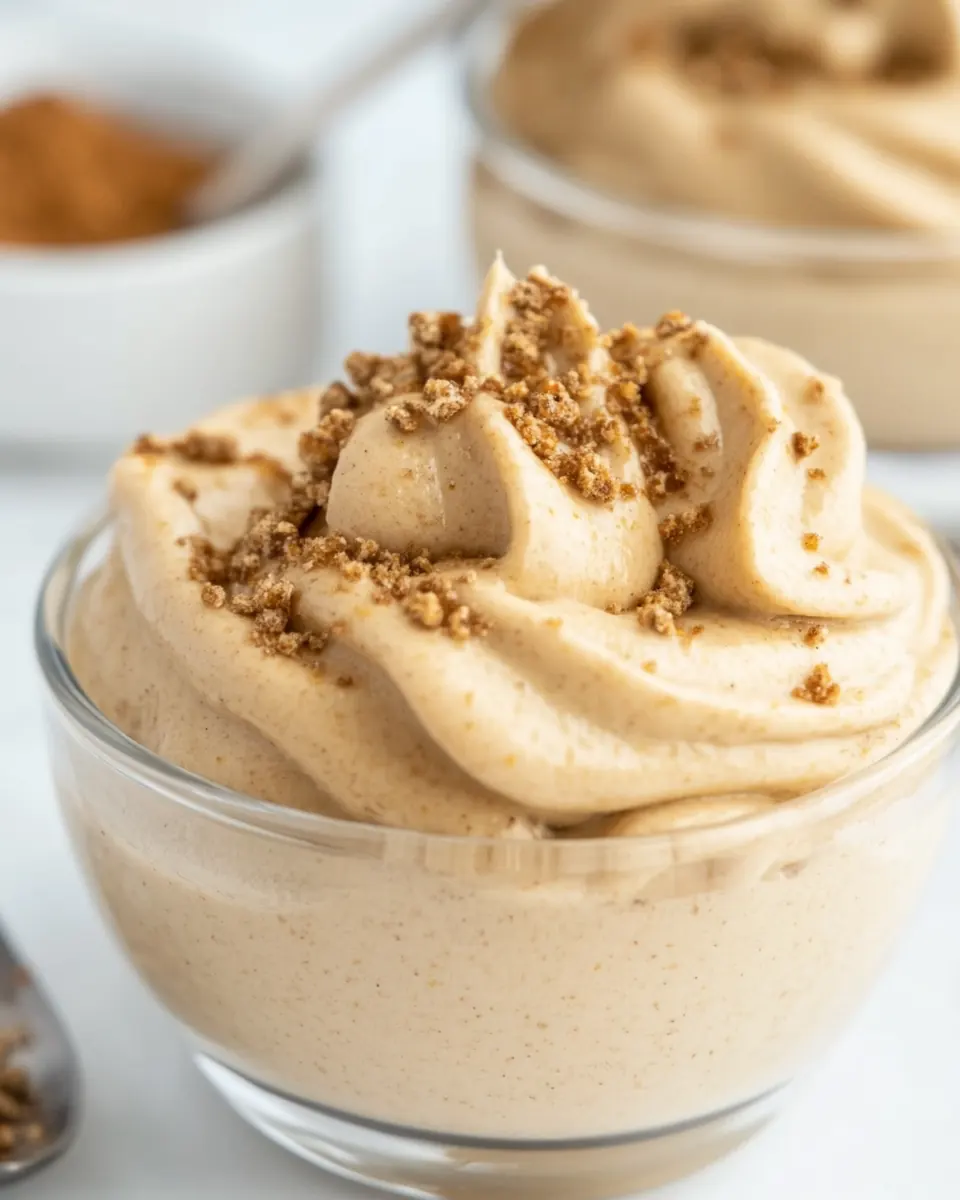
Spoon into dessert cups or scoop the mix into a piping bag and pipe.: When transferring the mousse, the texture should glide like a soft, pillowy cream, and if piping, the tip will leave clean ridges that hold shape briefly. Serving in simple cups gives a rustic charm, while piping provides an elegant silhouette with defined peaks. The reason presentation matters is psychological, a pretty dollop enhances perceived taste and enjoyment. A typical pitfall is filling cups too full and causing spillover when chilled, so leave a small margin. If your mousse feels soft from room temperature ingredients, chill in the refrigerator for about 30 minutes to firm up before piping, this will improve stability and set the texture for serving.