Preheat oven to 350 degrees and spray a pie plate.: The room will start to smell faintly warm as the oven climbs to 350 degrees , creating a cozy kitchen hum. Preheating ensures the dish heats evenly so the center comes to temperature as quickly as the edges, which prevents the cheese from overbrowning before the beans are hot. When I spray a pie plate, I listen for the metallic click of the oven rack and notice the gentle warmth on my face, a small signal that dinner is imminent. A common mistake is skipping preheating, which can lead to uneven warm up and a soggy texture instead of a cohesive, bubbly top. Make sure the pie plate is roomy enough for stirring and spreading, and use nonstick spray to make serving easier.
In a large bowl, mix all ingredients and place in pie plate.: As you stir, the aroma of salsa lifts with tomato and spice notes, and the coolness of the canned green chilies contrasts the creamy refried beans . The visual cue is a homogenous, slightly chunky mixture where the cheese is well incorporated but not clumped. I prefer folding gently so the mixture stays slightly textured rather than becoming a puree. This step matters because even distribution ensures every scoop has balanced flavor. A frequent error is overmashing the beans, which flattens texture; stop when you see an even spread of ingredients. Transfer into the sprayed pie plate and smooth the top so the cheese can brown evenly.
Bake at 350 degrees for about 15 minutes or until hot.: When placed in the oven, the dish begins to sizzle softly and you may catch a faint roasted scent from the salsa and green chilies . After about 10 minutes the edges will bubble, and by 15 minutes the center should be hot and the cheese fully melted, sometimes with golden flecks. I watch for even bubbling across the surface and a uniform appearance rather than isolated hot spots. This technique guarantees a warm center and a pleasing mouthfeel; underbaking leads to cool centers, while overbaking can dry the dip. If your oven runs hot, check a few minutes early to avoid a too crispy top.
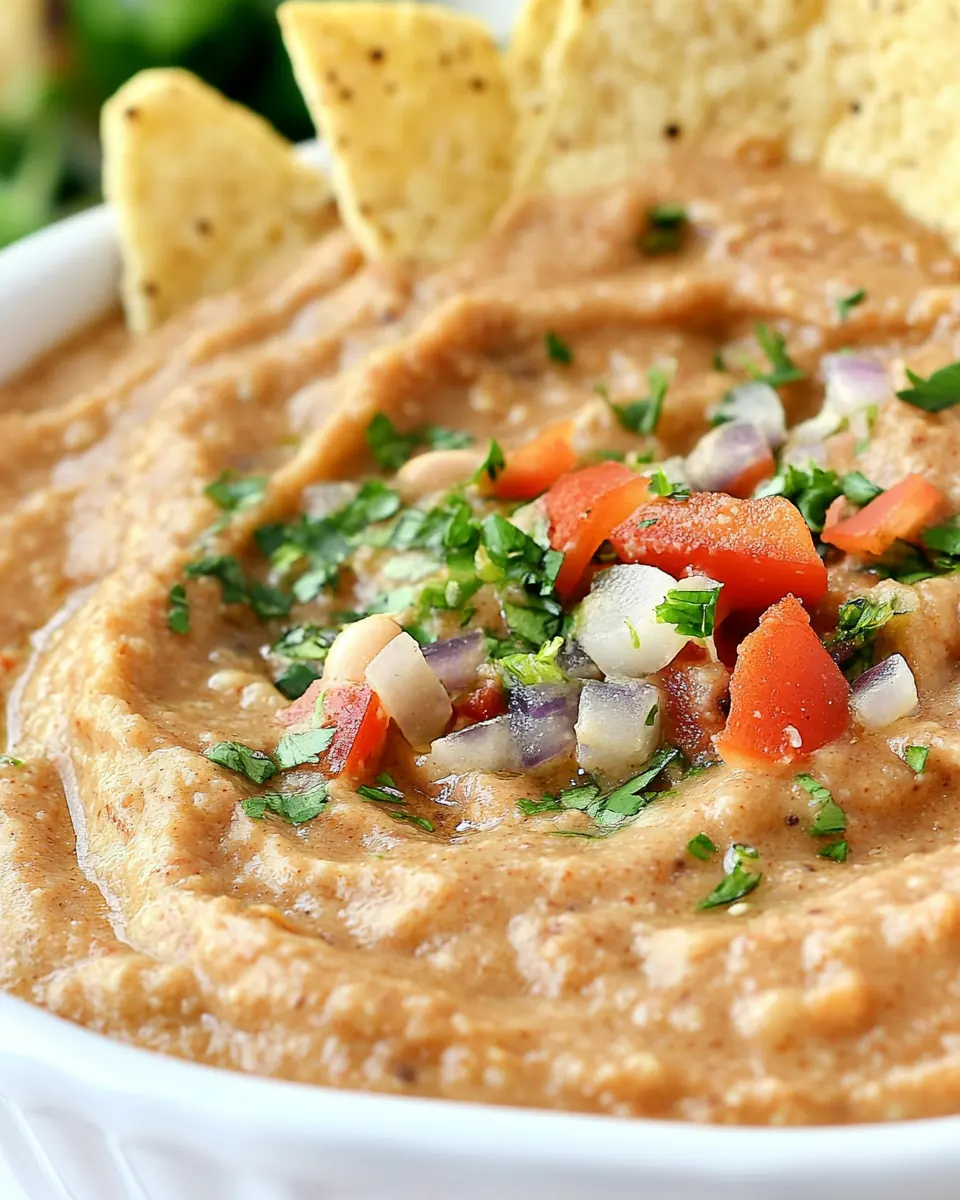
Add extra cheese and anything else you want on top like sliced olives, green onions, and tomatoes.: The final flourish is sensory rich, with the cheese pulling in strings as you sprinkle more on and the fresh green onions offering a bright snap. Adding toppings after baking preserves color and crunch, and if you prefer melted toppings, return to the oven briefly until just warmed. This matters because contrasting textures make the dip more interesting and satisfying. A mistake I often see is adding juicy toppings too early, which can make the surface watery. Instead, layer fresh items at the end so each bite has warm, melty interior notes and a cool, fresh finish.