Preheat oven to 350 F. Line a muffin pan with cupcake liners and set aside.: When you preheat, you should hear the oven cycle and notice a warm, steady heat when you carefully open the door. This initial heat ensures the cupcakes rise properly, creating domes that set quickly. I always preheat for at least 10 minutes to stabilize temperature. A common mistake is putting batter into an oven that is still heating, which can cause uneven rise and dense centers.
Whisk together flour, baking powder, and salt in small bowl and set aside.: As you whisk, the dry ingredients become uniform and you will see the flour lighten and the baking powder disperse, which is essential for even lift. I sift or whisk until there are no clumps, and the mixture smells faintly of toasted flour. Skipping this step can leave pockets of leavening or salt, producing uneven texture.
Cream together butter and sugar in a large mixing bowl until light and fluffy, about 3 minutes.: The creaming stage should produce a pale, airy mixture that slightly increases in volume, and you can hear the mixer soften the sugar crystals as the butter becomes whipped. This is where texture develops, so take the full time. Rushing it will yield a denser cake because the batter lacks trapped air.
Beat in the whole egg first, mixing until well combined, and then add the egg white, beating again.: Add the whole egg and integrate until the mixture looks uniform and glossy, then add the extra egg white which contributes to lift without excess fat. The batter will look silkier and will pause between beats. If you add cold eggs straight from the fridge, the batter can seize and look uneven.
Add in the vanilla and beat until combined. Scrape down the bowl if necessary.: As the vanilla blends in, the aroma becomes noticeable and the batter loosens slightly. Scraping the bowl ensures no pockets of butter or sugar remain, which helps the cupcakes bake evenly. Neglecting to scrape can leave streaks and uneven flavor distribution.
Add in half of the flour mixture and then the milk, beating until just combined.: After adding the first half of the dry mix, you will notice the batter thicken and look more structured. Adding milk next loosens it and brings a tender balance. Mix only until combined to avoid developing gluten, which would make the cupcakes tough. Overmixing at this stage is a frequent error that ruins tenderness.
Add in the remaining flour mixture and then creamer, beating until just combined.: Finish incorporating the dry ingredients and then fold in the French vanilla creamer , which enhances flavor and slightly thins the batter for a smooth pour. The batter should be thick but ribbon like when lifted. If it seems lumpy, gently fold until smooth, but do not overwork it.
Divide batter evenly among the cupcake liners. Bake for 19-22 minutes or until an inserted toothpick comes out clean. Let cool for at least one hour. Once cool, use a small knife or a corer to remove the center of the cupcakes.: As the cupcakes bake, you will see them rise and the tops take on a soft golden color. A toothpick should come out clean or with a few crumbs, never wet batter, indicating doneness. Cooling is crucial because warm cupcakes are fragile and will crumble when cored. If you try to core them too soon, the filling will leak out and the texture will be compromised.
Whip heavy cream until stiff peaks form. Remove from mixing bowl and place in fridge.: The heavy whipping cream should transform into glossy, billowy peaks that hold their shape when the whisk is lifted. Chilled equipment helps this process, and the cool cream stabilizes the cheesecake filling. Underwhipping will produce a runny filling, while overwhipping can make the cream grainy and hard to fold in.
Beat cream cheese in mixing bowl until light and fluffy. Beat in sugar and vanilla and continue beating until well combined.: The cream cheese will become smooth and slightly aerated, and as the sugar and vanilla join, the mixture turns silky and aromatic. Ensure the cream cheese is at room temperature to prevent lumps. Working with cold cream cheese is a frequent pitfall that leads to an uneven filling.
Fold in whipped cream. Transfer cheesecake mixture into a large ziploc bag. Cut off one bottom corner of the bag and use the bag to pipe the filling into the cheesecakes. You will have some leftover. Make parfaits with the cored cupcakes.: Folding should be gentle, combining the airy whipped cream with the dense cream cheese so the filling becomes light yet still creamy. You should notice a decrease in stiffness and a glossy, scoopable texture. Transfer to a bag for neat piping; the tactile feel of the piping bag helps control the amount of filling. Over stirring will deflate the mixture, while under folding leaves streaks of cream.
Beat butter for several minutes until nice and creamy. Gradually beat in the powdered sugar, then the vanilla extract and creamer. If the frosting is too thick, add additional creamer 1 tsp at a time. Too thin, add powdered sugar 1/4 cup at a time.: The frosting should be smooth and pillowy, and when you press a spoon into it, it should hold the impression briefly before smoothing. Adding the French vanilla creamer imparts flavor and adjusts consistency. Be cautious with liquid additions, because a frosting that is too thin will not hold piped shapes, while a very thick one will be hard to pipe and taste overly sweet.
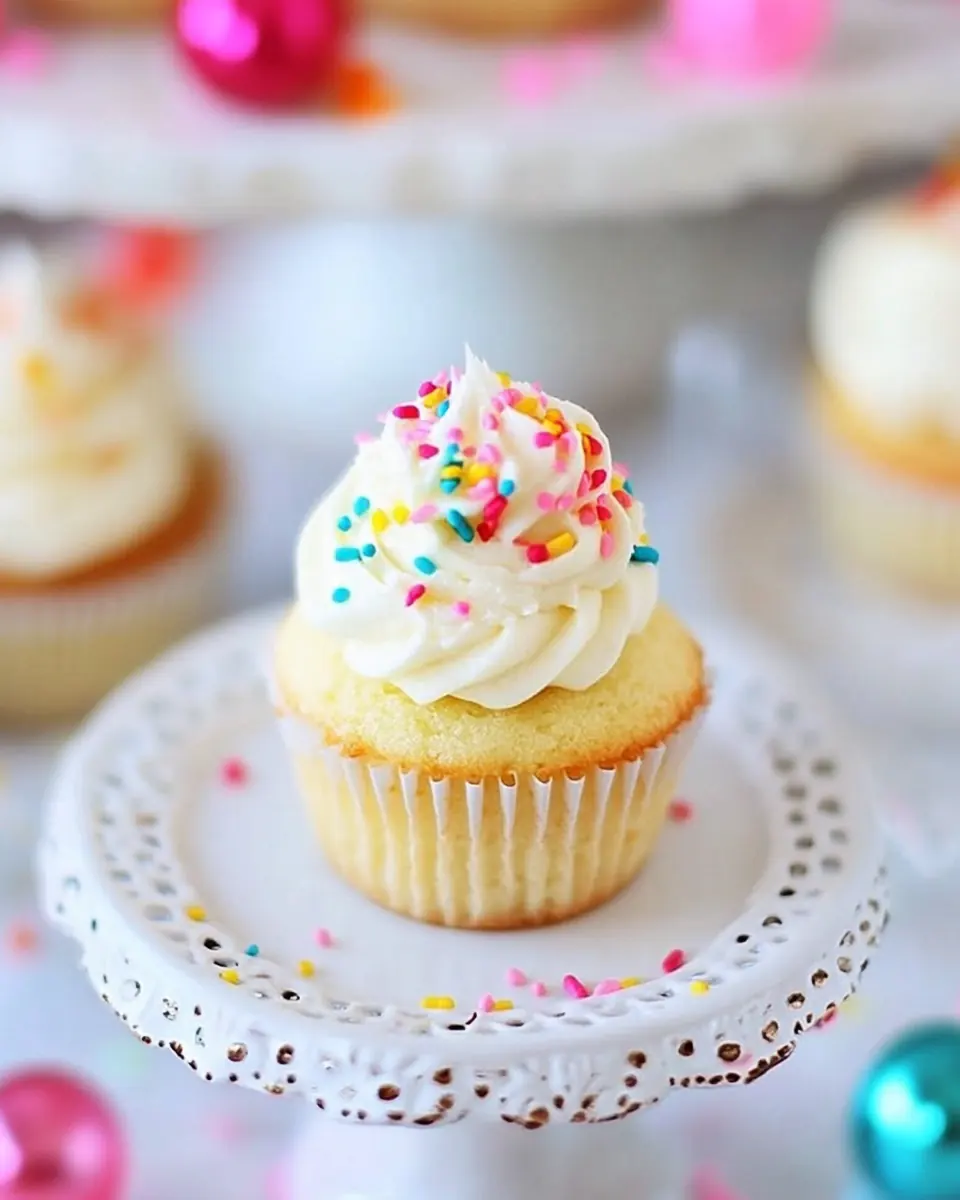
Pipe frosting onto cupcakes and top with sprinkles and a cherry if you'd like.: Piping adds height and elegance, and as you apply pressure, the frosting should flow smoothly and hold peaks. Garnishes like sprinkles add visual contrast and a little crunch. If the frosting slips or collapses, it may be too warm, so chill briefly and try again to restore structure.
Store in the refrigerator.: Refrigeration keeps the cheesecake filling and frosting safe and maintains texture. You will notice a firmer frosting and a set filling after chilling. Leaving them out too long at room temperature can make the filling soft and shorten shelf life, so store promptly.