Preheat the oven to 375ºF (190ºC).: As the oven warms, a warm, dry heat begins to prime the surface of the corn and pepper for Maillard browning. You may notice a subtle scent of warmed air as the oven reaches temperature, and that ready heat helps achieve even roasting. A common mistake is placing items in before the oven is fully hot, which results in uneven caramelization. If your oven runs cool, allow an extra five minutes to stabilize so the first stage of roasting can create golden spots rather than gentle sweating.
Shuck the corn and holding each ear of corn vertically over a baking sheet, use a chef’s knife to slice off the kernels of corn. (Reserve the cobs.) Remove the stem of the pepper, slice it lengthwise, and remove the seeds. Dice the pepper into pieces the size of the corn kernels.: When you slice kernels, the sound is a crisp little snap, and the exposed rows gleam with milky juice, signaling freshness. Reserve the cobs because they hold concentrated corn flavor that will infuse the water. Dice the pepper to match the kernel size so each spoonful has balanced texture. Avoid rushing this step, as ragged cuts can make the mouthfeel inconsistent; a sharp chef’s knife ensures clean slices and minimal juice loss.
Toss the corn kernels and pepper with the olive oil and salt, spread evenly on the baking sheet, and bake for 25 to 30 minutes, stirring a couple of times – roasting until the corn just starts to brown a bit.: As the vegetables roast, you will hear a faint sizzle and detect sweet, toasty aromas as sugars caramelize. Stir once or twice so the browning is even and you get those little charred notes that lift the soup. If you skip stirring, one side might burn while the other remains pale, creating uneven flavor. I recommend watching for the first edges to brown, that tells you caramelization is underway; it should be golden rather than blackened for the best taste.
While the corn is cooking, cut the cobs into 4 pieces and put them in a saucepan with the water. Bring to a simmer, cover, and let cook for 30 minutes over low heat, to extract the corn flavor.: Placing the cut cobs into simmering water releases a hollow, vegetal sweetness into the liquid, and you might notice the water taking on a faint yellow tint and a gentle corn aroma. Keep the heat low so the extraction is gentle, producing a clean tasting stock rather than a cloudy one. One pitfall is boiling too hard, which can emulsify fats and create a murkier broth, so maintain a soft simmer and cover to keep aromatics in the pot.
Melt the butter in a large saucepan. Add the onions and garlic, and cook over medium heat, stirring frequently, until translucent, 6 to 8 minutes.: In the saucepan, the butter will foam and start to scent the air with a rich, nutty note as the onion softens and the garlic releases its perfume. Stir frequently to develop sweetness without browning, which keeps the base mellow and aromatic. Overcooking here can lead to bitter, dark bits that distract from the corn , so aim for soft, glossy pieces that yield easily to a spoon.
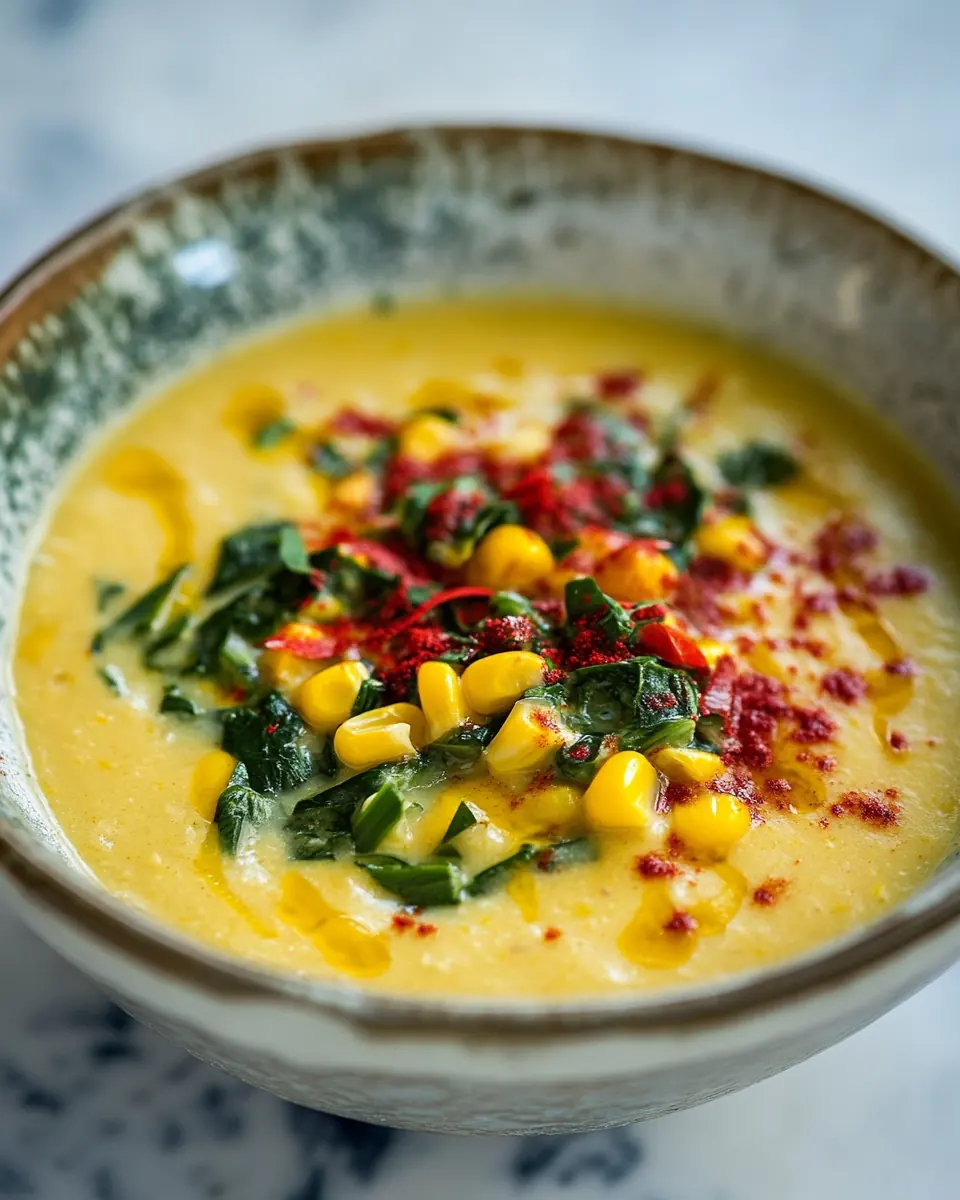
Add the roasted corn and peppers to the pot, then strain the corn cob liquid into the pot as well. Stir in the chipotle powder or paprika, and bring to a boil. Simmer for a few minutes, and add the milk or cream. Taste for salt, adding more if desired. When warmed through, ladle the soup into bowls. Top each with chopped basil, parsley, or chives.: Pouring the strained cob infusion into the pot transforms the sauté into a full bodied soup, and when the roasted corn and pepper join the mix, their toasted fragrance intensifies. As it comes to a brief boil you will see the surface lightly ripple, and the smell becomes deeper and more savory. Simmering a few minutes allows flavors to marry before the final touch of cold milk or cream smooths the texture and slightly cools the pot so the dairy blends without separating. A classic error at this stage is adding dairy to a violently boiling pot, which can curdle; lower the heat and stir gently for a glossy finish. Finish with chopped herbs for a fresh contrast and serve warm so each mouthful carries roasted sweetness, gentle smoke, and herbaceous brightness.