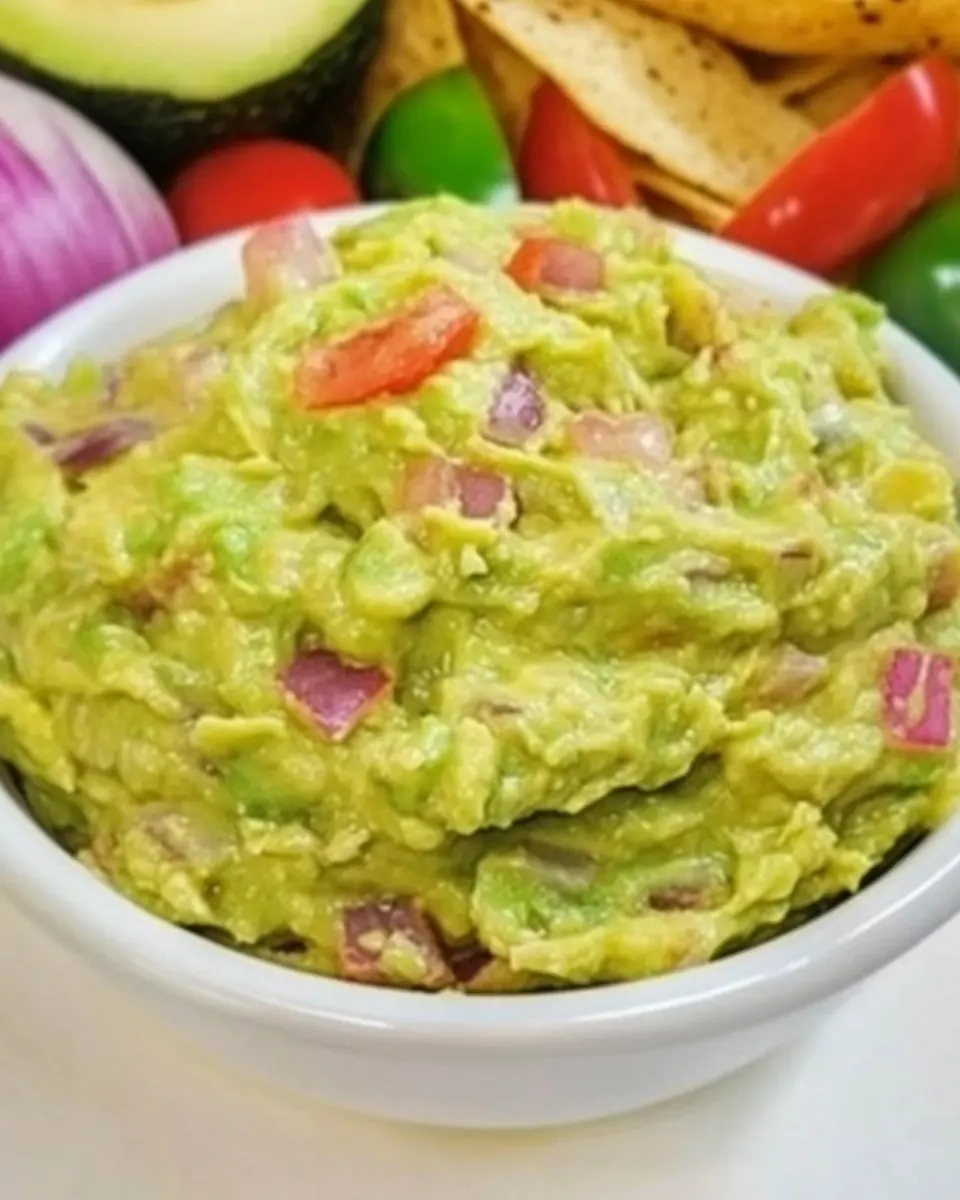
Cut the avocados into large pieces. In a large bowl mash the avocados with the back of a fork. The more you mash the smoother the guacamole will be.: When you break into ripe avocados , you should hear and feel a slight give as your knife slices through the flesh, and the color inside will be a rich green with a buttery sheen. The air will smell faintly nutty and fresh, and handling the pieces gives you a sense of their ripeness. This initial cut matters because large pieces mash more easily into a textured base rather than a gluey paste. A common misstep is using a dull knife which tears rather than slices cleanly, bruising the fruit and creating brown spots that can affect appearance.
Add the salt and squeeze the juice of both limes over the guacamole and mix. Not only does this add flavor but the lime juice can also help prevent the guacamole from turning brown. Taste and add more salt if desired.: The sound here is soft, almost whispering, as the tines shear through the fruit; the aroma becomes rounder and creamier. Mashing with the back of a fork lets you control the final texture, encouraging small chunks of avocado to remain. This technique matters because those chunks create delightful contrast against diced ingredients, giving the guacamole personality. Avoid overmashing or using a blender, which removes all texture and can produce a gluey mouthfeel rather than a lush, varied bite.
Dice the tomatoes, onions and cilantro.: Each additional pass with the fork transforms the texture toward velvet, softening fat pockets so the citrus and salt can coat each morsel evenly. Smooth guacamole will feel silkier on the tongue and spread easily, while chunkier versions showcase individual bursts of tomato and onion. One pitfall is losing all structure by excessive force; stop when you reach your desired balance between cream and chunk.
Use gloves to slice the jalapeño pepper. Remove any inner white membrane and seeds unless you prefer a spicier guacamole. Mince the jalapeño into tiny pieces.: As you fold in the measured salt and freshly squeezed lime juice, you should notice the fragrance shift to brighter citrus notes and the flavors pop. The lime also acts as an antioxidant, helping to keep the surface vibrant rather than browning. Mix gently so you distribute the acidic juice without turning the mixture watery. A common error is adding too much citrus too quickly, which can make the guacamole thin and mask the underlying richness of the avocado .
Add the tomatoes, onions, cilantro and jalapeño pepper to the avocado and mix until combined. Serve and enjoy immediately!: The zesty scent of lime becomes more prominent after mixing, lifting the fatty aroma of the avocado . This chemical benefit matters because oxidation causes discoloration and off flavors over time. For troubleshooting, note that refrigeration slows browning further, but sealing the surface is most effective; pressing plastic wrap directly onto the guacamole helps limit air contact.
Taste and add more salt if desired: Take a small spoonful to check balance. The first impression should be bright, then creamy, with heat playing in the background. If it seems flat, add a pinch of salt and stir, letting it rest for a minute before tasting again. Over-salting is irreversible, so season gently. A mistake is seasoning only at the start and not tasting again once the ingredients integrate; flavors can change after resting.
Dice the tomatoes, onions and cilantro: The act of dicing produces small, uniform pieces that create a consistent bite. Freshly cut tomatoes will release a faint sweet scent, while sliced red onion contributes a sharp aroma that fades as it sits. Chop cilantro finely to distribute its herbaceous notes without overwhelming any single forkful. A common pitfall is uneven chopping which leads to occasional overpowering onion bites; aim for a consistent dice.
Use gloves to slice the jalapeño pepper: When you cut the jalapeño pepper , you may notice a bright green vegetal aroma and a slight sting on the fingertips if you do not wear gloves. The oils can linger and cause irritation, so gloves are a sensible precaution. Slice carefully on a cutting board and keep your hands away from your face to avoid transferring capsaicin. Leaving seeds in will increase heat dramatically, so remove them if you prefer milder results.
Remove any inner white membrane and seeds unless you prefer a spicier guacamole: That white membrane contains much of the pepper's heat, and removing it gives you more predictable spice levels. If you want a moderate kick, retain a few seeds; for a gentle warmth, remove them all. The sensation of heat should complement, not overwhelm, the creamy avocado . A misstep is underestimating the pepper's potency, which can result in a guacamole that is too fiery for many guests.
Mince the jalapeño into tiny pieces: Minced pepper disperses heat evenly and adds flecks of color and texture. The sound of a sharp knife through the pepper is crisp, and the aroma becomes a bright, peppery note that melds with the lime. Fine mincing prevents sudden bursts of heat and ensures every bite has a balanced flavor. Avoid large chunks, which create inconsistent spicy pockets.
Add the tomatoes, onions, cilantro and jalapeño pepper to the avocado and mix until combined: When you combine the diced components, you should see vibrant specks of red, purple, and green against the pale green avocado . The first stir should reveal an integrated aroma where citrus, herb, and heat are in harmony. Gently fold to maintain some chunkiness in the avocado while ensuring even distribution. Overmixing will homogenize the dip and reduce textural interest, so stop as soon as the ingredients are evenly dispersed.
Serve and enjoy immediately: The ideal sensory moment is right after mixing: the guacamole smells fresh, looks brilliantly green, and feels creamy yet textured. Serve at room temperature so the flavors are most pronounced. If you must wait, press plastic wrap onto the surface and refrigerate briefly. Avoid leaving it out too long in warm weather, which can accelerate discoloration and flavor loss.