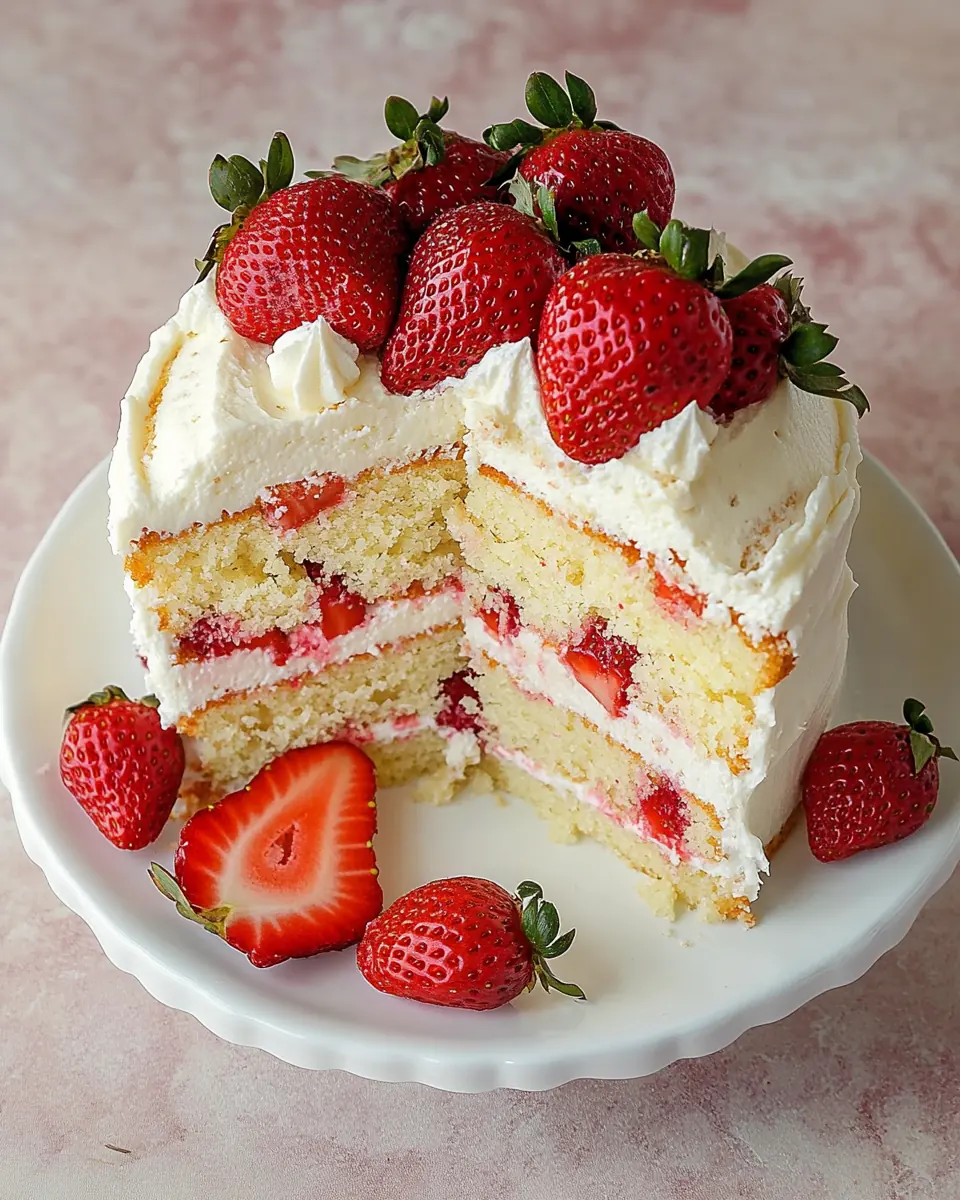
Preheat oven to 350 degrees. Butter 3 9-inch round cake pans then line bottom with a round of parchment, butter parchment and lightly dust pan with flour, shake out excess. Set pans aside.: Warmth spreads through the oven with a gentle hum, and the air begins to smell faintly warm and cozy before the cakes even go in. This step ensures consistent rise, so the leavening reacts predictably. A common error is placing pans in a too cool oven, which causes dense centers. If your oven runs hot or cold, use an oven thermometer to check accuracy. Buttering pans and lining with parchment creates a slick release, and dusting with flour provides traction so the batter climbs evenly. After you butter and flour, wipe the excess so you do not end up with a floury rim. The pans should feel warm to the touch but not hot when you place them in. The visual cue is even sheen on the buttered surface and a neat parchment circle at the bottom.
Make the cake: Sift cake flour into a medium mixing bowl. Add baking powder and salt and whisk 20 seconds, set aside.: Sift cake flour into a medium mixing bowl : The sifted flour falls like fine snow and smells faintly of grain, and sifting aerates it which helps a lighter crumb. Whisking in the baking powder and salt distributes these small but important players evenly so you avoid pockets of leavening or salt. If you skip sifting you risk denser texture, especially with cake flour which benefits from added air. A quick whisk for about 20 seconds is enough to combine without overworking. Look for an even, uniform pale mixture with no visible clumps; that tells you the dry ingredients are ready to join the wet.
In the bowl of an electric stand mixer fitted with the paddle attachment (if you don't have a paddle that constantly scrapes bowl while mixing then stop mixer occasionally throughout entire mixing process and scrape down sides and bottom of bowl to ensure even mixing), whip together butter and sugar until pale and fluffy.: As you cream, the mixture lightens and grows in volume, turning airy and almost mousselike in texture. This trapped air expands during baking, contributing to lift. If you do not have a paddle that scrapes constantly, stop and scrape the bowl periodically so pockets of butter do not hide. The sound changes from a soft thud to a lighter spinning sound, and visually the mixture takes on a paler, softer look. A common mistake is not creaming long enough, leaving the cake flat, or over creaming, which can weaken the structure. Aim for a fluffy, pale mass that leaves a faint trail when the beater lifts.
Mix in eggs and egg yolks one at a time adding in vanilla with last egg yolk. Add 1/3 of the flour mixture at a time (to the butter/egg mixture) alternating with 1/2 of the milk and mixing on low speed just until combined after each addition. Scrape down sides and bottom of bowl and gently fold batter several times.: The batter will glossy and smoother as each egg incorporates, creating a glossy ribbon that falls slowly from the paddle. Adding eggs slowly ensures the emulsion stays intact and prevents curdling. You will notice the mixture become more fluid but still aerated. A typical error is adding cold eggs to warm butter, which can break the emulsion and make the batter lumpy. To avoid this, use room temperature eggs. The vanilla added with the last yolk perfumes the batter, and you should see a uniform color and sheen once combined.
Divide batter among prepared baking pans. Bake in preheated oven 25 - 30 minutes until toothpick inserted into center of cake comes out clean.: This alternating method keeps the batter balanced and prevents gluten from developing too much, which would make the cake tough. Each addition should be folded in until you no longer see streaks of flour or milk, leaving a smooth, glossy batter. Work on low speed so you do not overmix; the sound is gentler and the surface looks cohesive. One slip up is dumping everything at once, which leads to lumps and overmixing when you try to fix it. The visual cue is a silky, homogeneous batter that falls in thick ribbons when lifted.
Cool in pan about 5 minutes, run knife around edges of cake to ensure they are loosened then invert onto wire racks to cool completely (I recommend transferring them to gallon size resealable bags after about 25 minutes of cooling so they don't dry and let them finish cooling in the bag).: The batter will be evenly uniform after scraping, with no trapped islands of flour or butter. Folding by hand or with short mixer bursts ensures consistent texture without overworking. You should feel a slightly tacky, thick batter that holds shape but spreads slowly. If you skip scraping you can end up with uneven crumb pockets or dense streaks. The touch cue is smoothness and the absence of dry lumps when you stir with a spatula.
Once cool frost with Strawberry Cream Cheese Whipped Cream. Store cake in an airtight container in refrigerator.: Filling the pans evenly ensures uniform baking times so the layers come out flat and matched. I tap each pan gently on the counter to release large air bubbles, which makes the crumb more even. The batter spreads with a soft sheen and settles into the pan; aim for equal weights if you want perfectly level layers. A common mistake is mismatching amounts, which leads to uneven stacking. Visual cues include similar heights in each pan before baking and small bubbles settling on the surface.
For the topping: In the bowl of an electric stand mixer fitted with the whisk attachment, whip heavy cream until soft peaks form (occasionally scrape down sides and bottom of bowl to ensure even mixing).: The oven sound becomes low and humming while the tops slowly color to a pale gold. You will smell a warm, baked sweetness as the cake nears doneness. Use a toothpick inserted into the center to test, it should come out clean or with a couple of moist crumbs but no wet batter. Opening the oven too often causes temperature drops and uneven rise, which is a common mistake. Look for edges that are set and a center that springs back slightly when touched with a finger.
Add 1/3 cup powdered sugar and whip until stiff peaks form (make sure they are stiff or your topping will be runny, it should get to the point where it doesn't have a wet sheen). Scrape cream out into a separate bowl.: The cakes relax as they cool and the surface loses the shiny sheen it had straight from the oven. Cooling briefly in the pan stabilizes structure so they do not break when flipped. When you run a knife around the edge the layer should detach cleanly, indicating proper rise. If you try to unmold too soon the cake can tear; wait the suggested five minutes. Transfer to wire racks so air circulates and cools them evenly to room temperature. After about 25 minutes I like to transfer them to resealable bags to retain moisture, which prevents drying while they finish cooling.
Add cream cheese to bowl of stand mixer, fit with paddle attachment and whip cream cheese until smooth and fluffy.: The cooled cakes will feel springy and light to the touch. Frosting warm cake melts your filling into the crumb and causes sliding, so confirm they are fully cool. The frosting process should be gentle, spreading a thin crumb coat first if you want clean edges, then finishing with a thicker layer. If your frosting is too soft chill it briefly to firm up. A common issue is over frosting where the cake becomes top heavy; build layers carefully and press gently when stacking.
Mix in remaining 2/3 cup powdered sugar and vanilla (I've made this cake twice and the second time I added a few drops of liquid red food coloring at this point for a better pink, that pictured was without).: The refrigerator smell is quiet and the cake will keep its shape while chilled. Chilling helps the frosting set and meld flavors overnight. Avoid placing the cake near strong smelling foods or it may pick up stray aromas. An error to avoid is leaving it uncovered which leads to drying and soggy top edges. Use an airtight container and consume within a few days for best texture and flavor retention.
Add strawberries and mix until uniform in color. Remove bowl from stand mixer, add whipped cream and fold into mixture. Frost over cooled cake.: In the bowl of an electric stand mixer fitted with the whisk attachment whip heavy cream until soft peaks form : As you whip the cream it transitions from liquid to billowy clouds, with the mixing sound becoming lighter and the bowl colder to the touch. Soft peaks mean the cream holds shape but the tip folds over, a key stage for stable folding later. Underwhipping yields runny topping, overwhipping becomes grainy and can turn to butter. Avoid both by watching closely and stopping as soon as soft peaks appear.
Add 1/3 cup powdered sugar and whip until stiff peaks form: The cream will tighten and hold its shape firmly without a wet sheen. When you lift the whisk the peaks should stand upright, signaling readiness. Stiff peaks give structure to the final frosting, preventing it from sliding off the cake. Common mistakes include adding too much sugar which makes the whipped cream overly sweet and pasty. Look for a matte finish and solid peaks as your cue.
Scrape cream out into a separate bowl: The whipped cream should look velvety and thick, like a soft cloud, and feel cool. Moving it to a separate bowl prevents overwhipping when you mix it into the cream cheese mixture. If you skip this and overwork it, the texture can become grainy. A simple scoop and gentle fold ensures the whipped cream stays airy.
Add cream cheese to bowl of stand mixer fit with paddle attachment and whip cream cheese until smooth and fluffy: The cream cheese will become light and pillowy as air is incorporated, losing any lumpiness. Work until it is smooth to the touch and has a faint sheen. If the cream cheese is too cold it resists smoothing, leaving lumps; if too warm it becomes soupy. Room temperature is key. Beat until no lumps remain for an even frosting texture.
Mix in remaining 2/3 cup powdered sugar and vanilla: The combination sweetens and stabilizes the frosting while vanilla enhances aroma. The texture should turn silky and spreadable, with a pleasant tang from the cream cheese. Overmixing at this stage can warm the frosting and make it loose, so stop once combined. Taste for balance and adjust sweetness gently rather than adding large amounts at once.
Add strawberries and mix until uniform in color: The chopped strawberries will bleed their color into the frosting slightly, giving a natural pink hue and juicy strawberry flavor. Mix until the bits are evenly distributed but avoid pulverizing them, you want small fruit pieces for texture. Too many large pieces can create pockets of moisture that soften the cake layers. Drain particularly juicy berries to avoid thinning the frosting.
Remove bowl from stand mixer add whipped cream and fold into mixture: Folding preserves the air you whipped into the cream, creating a light, mousse like frosting. Use broad, gentle strokes and watch the texture transform into a glossy, airy spread. Over folding deflates the mixture and makes it heavy. The right feel is airy and flexible, spreading easily without sliding off.
Frost over cooled cake: Apply an even layer between each cake, pressing lightly to create a stable sandwich, then cover the outside. The frosting should look smooth with tiny flecks of strawberries throughout. Decorate with sliced strawberries if desired for a fresh finishing touch. A finishing touch is chilling briefly to set the frosting before slicing for clean edges.