Separate egg whites and yolk into different bowls. Add egg whites to stand mixture on high and create white stiff peaks.: You will notice the texture difference between the two bowls right away, the yolks sit rich and golden while the whites are translucent and fluid, which is crucial because any fat in the whites prevents them from whipping. Listen for the soft swoosh as you pour, and keep the bowls spotless and dry. A common mistake is letting a bit of yolk slip into the whites, which will stop them from reaching stiff peaks, so separate carefully and check each bowl before whipping.
Meanwhile add thawed (and drained if necessary) corn, flour, and baking powder into a bowl and mix.: As you beat the egg whites, they will transition from glossy swirls to soft mounds, and finally to firm, pointed peaks that hold shape. The sound will change to a higher pitch and the mixture will feel airy when you lift the whisk. This step is essential for lift, and if you overbeat them they will become grainy and start to separate, so stop when you have shiny, stiff peaks to preserve tenderness.
Add yolks and whipping cream and whisk.: Combine the drained corn with the flour and baking powder until the kernels are evenly coated and the dry ingredients are distributed, which helps prevent clumps. You should hear a soft rustle as the ingredients are stirred and see the corn well coated, not swimming in flour. A typical pitfall here is leaving pockets of baking powder , so stir thoroughly to avoid uneven rising.
Combine corn mixture and whipping cream mixture together, mix. Should look like corn meal at this point.: Whisking the yolks with the whipping cream yields a glossy, slightly thickened mixture that will bring richness to the batter, and you can observe the color deepen as they combine. The motion should be brisk so the liquids emulsify and thicken slightly, producing a smooth texture. If you whisk too aggressively it may incorporate air that makes the mixture foamy, which can unbalance the final texture.
Now fold in white peaks from mixing bowl into corn bowl and use a spatula to combine.: When you fold the creamy yolk mix into the coated corn and flour , the blend should resemble coarse corn meal with visible kernels throughout, not a runny batter. You will notice the aroma shift to a more rounded, richer scent. Avoid overmixing which can develop gluten from the flour and make the fritters tough; mix until just combined for a tender interior.
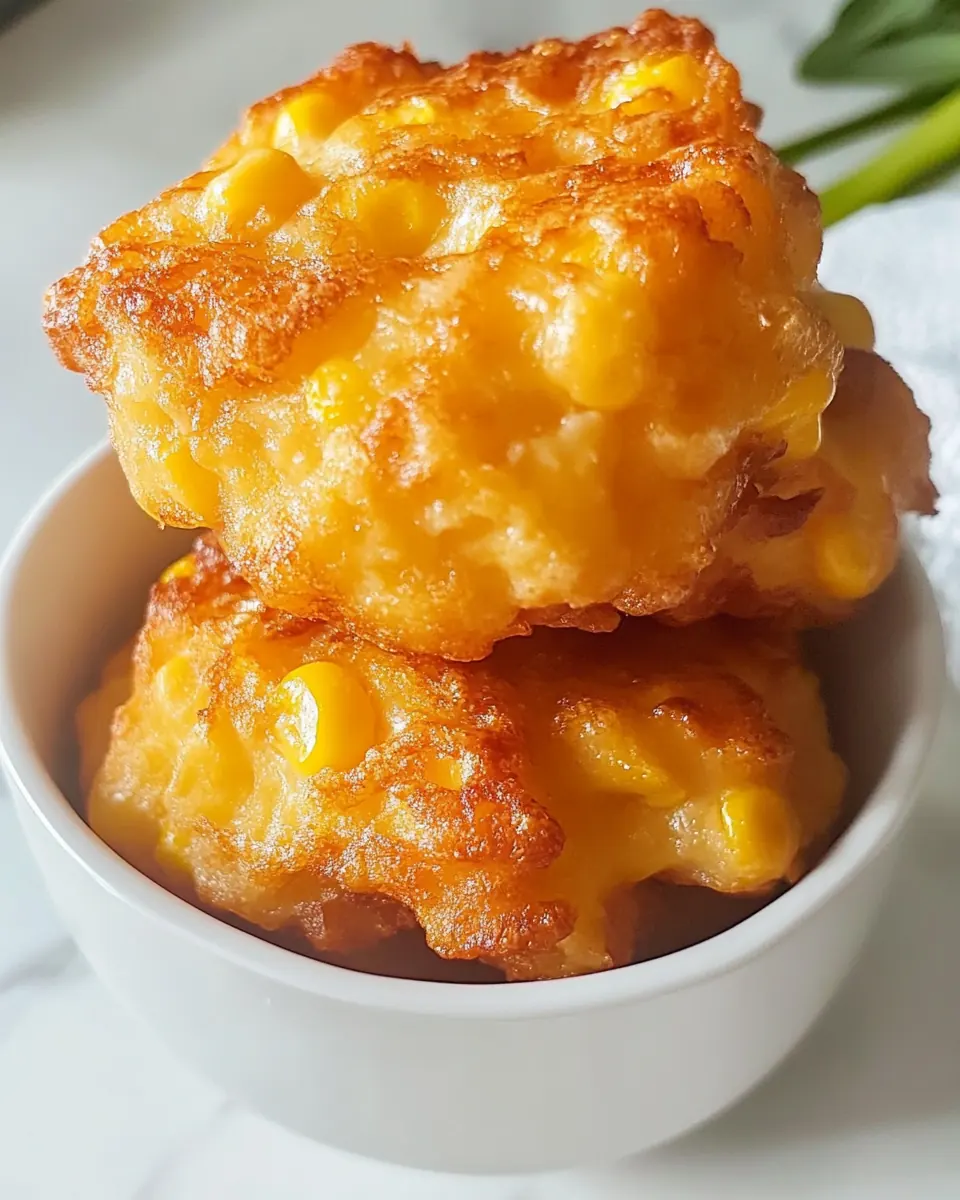
Heat up 2 tablespoons of vegetable oil in skillet and either add a corn fritter cake to skillet and fry on both sides 2-3 minutes per side until golden brown OR heat up 3 inches of oil in a deep skillet pan and drop balls in fryer.: Gently folding the whipped egg whites into the corn batter preserves the air you worked to create, and you should see soft ribbons and a fluffy consistency emerge. Use a light hand and turn the bowl while bringing the spatula through the center, folding until you have no large streaks of white. A common error is stirring too vigorously, which flattens the whites and yields denser fritters.
You may have to add additional oil as you are frying.: As the oil heats, watch for a shimmer and a faint aroma of warmth, which signals it is ready; when you add batter it should sizzle audibly. Frying in a shallow pool of oil gives you control over browning, while deep frying yields faster, rounder fritters. Avoid using oil that is not hot enough, because that leads to greasy fritters; conversely, oil that is too hot will burn the exterior before the center cooks.
Drain extra grease on a napkin while finishing out each fritter.: The oil level will drop as you fry multiple batches, and topping up keeps the heat consistent and maintains frying results, the surface should shimmer between batches. Add oil slowly and allow it to return to temperature before adding more batter. A mistake is adding batter immediately after topping up oil, which cools the oil and causes uneven cooking and soggy fritters.
Dust with powdered sugar (optional): Transferring the fritters to a paper towel lined plate removes excess oil and crisps up the surface further, you can press gently to wick away grease. You should still see a light sheen, not heavy oil, which indicates a well cooked fritter. Do not stack hot fritters directly on top of each other as steam builds and softens the crust.
Serve with honey, agave or maple syrup.: A gentle dust of powdered sugar adds visual charm and a touch of sweetness that complements the corn . Apply just before serving so the sugar remains powdery rather than melting into the hot surface. If you wait too long, the sugar will dissolve and the presentation will lose its delicate finish.
Serve with honey agave or maple syrup: Serving warm with a drizzle of honey , agave , or maple syrup enhances the natural sweetness of the corn and creates a sticky, inviting glaze, and the contrast between warm fritter and cool syrup is delightful. Offer the syrup on the side so guests can control sweetness, and avoid pouring too much which can make the base soggy.