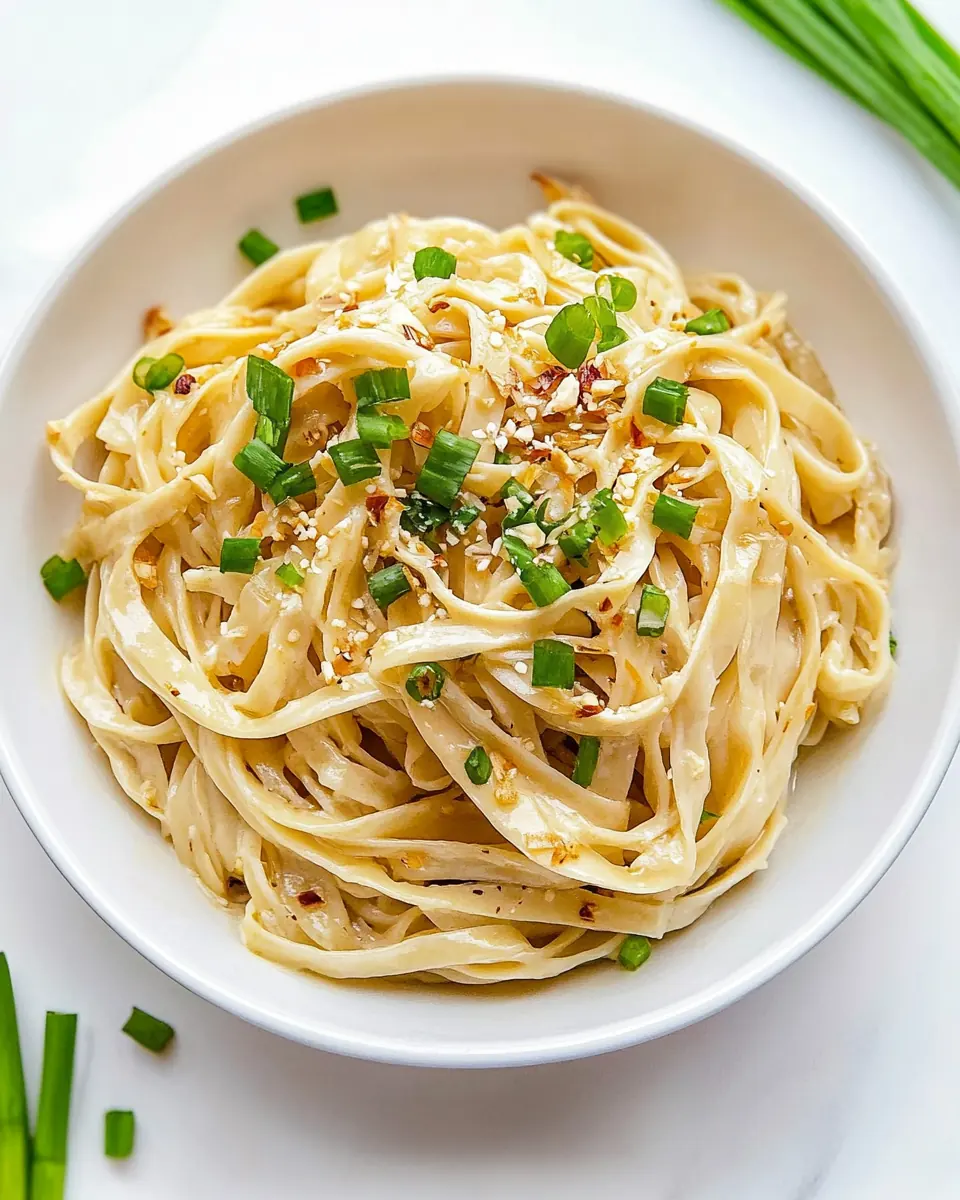
Bring a large pot of salted water to a boil. Cook the Asian noodles or spaghetti according to the package instructions until al dente. Drain and set aside.: The kitchen will smell faintly of mineral and warmth as the water reaches a rolling boil, a sign that it is ready to properly season the noodles . Use enough salt so the water tastes like the sea, this seasons the pasta from within. A common mistake is under salting the water, which leads to bland noodles even after saucing. Listen for a steady bubbling noise, and watch for steam rising vigorously before adding the pasta.
In a small bowl, whisk together the soy sauce, oyster sauce, fish sauce, and brown sugar. Set aside.: You will notice the noodles shift from stiff to supple as they cook; taste a strand one to two minutes before the shortest time on the package to check for firmness with a slight chew. Al dente texture helps the sauce cling and prevents mushiness. Overcooking is a frequent error here, resulting in limp strands that fall apart when tossed.
In a large skillet or wok, melt the butter over medium heat. Add the minced garlic and sauté until fragrant and slightly golden, about 2-3 minutes. Be careful not to burn the garlic.: After draining, the noodles will steam and continue to soften slightly, so let them rest briefly rather than tossing them in the sauce immediately. If you suspect clumping, toss with a small splash of neutral oil to keep strands separate. A common pitfall is leaving the noodles to sit wet in the colander for too long, which cools them and makes them absorb sauce unevenly later on.
Add the cooked noodles to the skillet and pour the sauce over the noodles. Toss to combine and coat the noodles evenly with the sauce. Cook for an additional 2-3 minutes, stirring occasionally, until the noodles are heated through.: The mixture will smell savory and slightly sweet, with salty depth from the sauces. Whisk until the brown sugar has dissolved and the liquids are homogeneous, this ensures even seasoning when added to the noodles. Skipping this step can produce unevenly seasoned bites, because dry sugar might not integrate quickly enough in the hot pan.
Stir in the grated Parmesan cheese until well combined.: Letting the sauce rest briefly lets the flavors meld, creating a more rounded profile when heated. The combined sauces should look glossy and slightly viscous, ready to coat the noodles . A common mistake is adding ingredients piecemeal to the pan, which can lead to uneven caramelization and an inconsistent sauce texture.
Season with freshly ground black pepper to taste. Garnish with sliced green onions if desired.: You will hear a gentle sizzle as the butter liquefies and spreads across the pan, signaling an even cooking surface. Medium heat lets the butter brown slightly without burning, adding toasty notes. Cooking on too high heat risks browning the butter too quickly, creating bitter flavors instead of the desirable nutty aroma.
Add the minced garlic and sauté until fragrant and slightly golden about 2 to 3 minutes: The transformation is sensory: raw sharpness becomes warm, sweet, and aromatic as the minced garlic softens and develops pale gold edges. Stir frequently for even color. Watch closely, because garlic moves from golden to burnt faster than most ingredients, and burnt garlic will impart bitterness to the whole dish.
Be careful not to burn the garlic: If the garlic starts darkening too quickly, lower the heat and lift the pan from the burner briefly to halt the cooking. The ideal moment is when the kitchen fills with an inviting roasted garlic scent, not acrid smoke. A frequent oversight is walking away during this brief stage, which often results in an unpleasant aftertaste.
Add the cooked noodles to the skillet and pour the sauce over the noodles: When the sauce hits the hot pan, it should hiss softly and begin to bubble slightly, releasing steam and amplifying aroma. The noodles will absorb the glossy sauce, changing color and becoming brilliantly coated. If you find pockets of sauce collecting instead of coating, reduce heat slightly and stir in short bursts to encourage even coverage.
Toss to combine and coat the noodles evenly with the sauce: Use tongs or a pair of forks to lift and fold the noodles, ensuring the sauce reaches every strand. The look you want is uniform sheen and a slight pooling of sauce under the noodles. Inadequate tossing leads to uneven bites, where some noodles are saturated and others are dry.
Cook for an additional 2 to 3 minutes stirring occasionally until the noodles are heated through: This step lets the sauce marry the noodle surface and for any residual moisture to evaporate, concentrating flavor. You will see small bubbles in the sauce and feel the heat radiating off the pan. Overcooking here can dry out the noodles, so keep the time short and the movement steady.
Stir in the grated Parmesan cheese until well combined: The grated Parmesan cheese will melt into the warm noodles, creating a creamy coating that softens and enriches the sauce. Work quickly off heat if possible, to avoid the cheese turning stringy. A common mistake is adding cold cheese directly to a too hot pan, which can clump rather than melt evenly.
Season with freshly ground black pepper to taste: Freshly cracked pepper releases volatile oils that brighten the rich profile, adding a subtle heat. Grind directly over the bowl for maximum aroma. Relying on pre ground pepper often yields a flatter, less aromatic result.
Garnish with sliced green onions if desired: The sliced green onions contribute a crisp, vegetal snap and a fresh color contrast that lifts the dish. Scatter them on just before serving so they keep their texture. Adding them too early can cause wilting and reduce the bright bite they provide.