Go Back
Ginger Shrimp Egg Roll Skillet

Ginger Shrimp Egg Roll Skillet

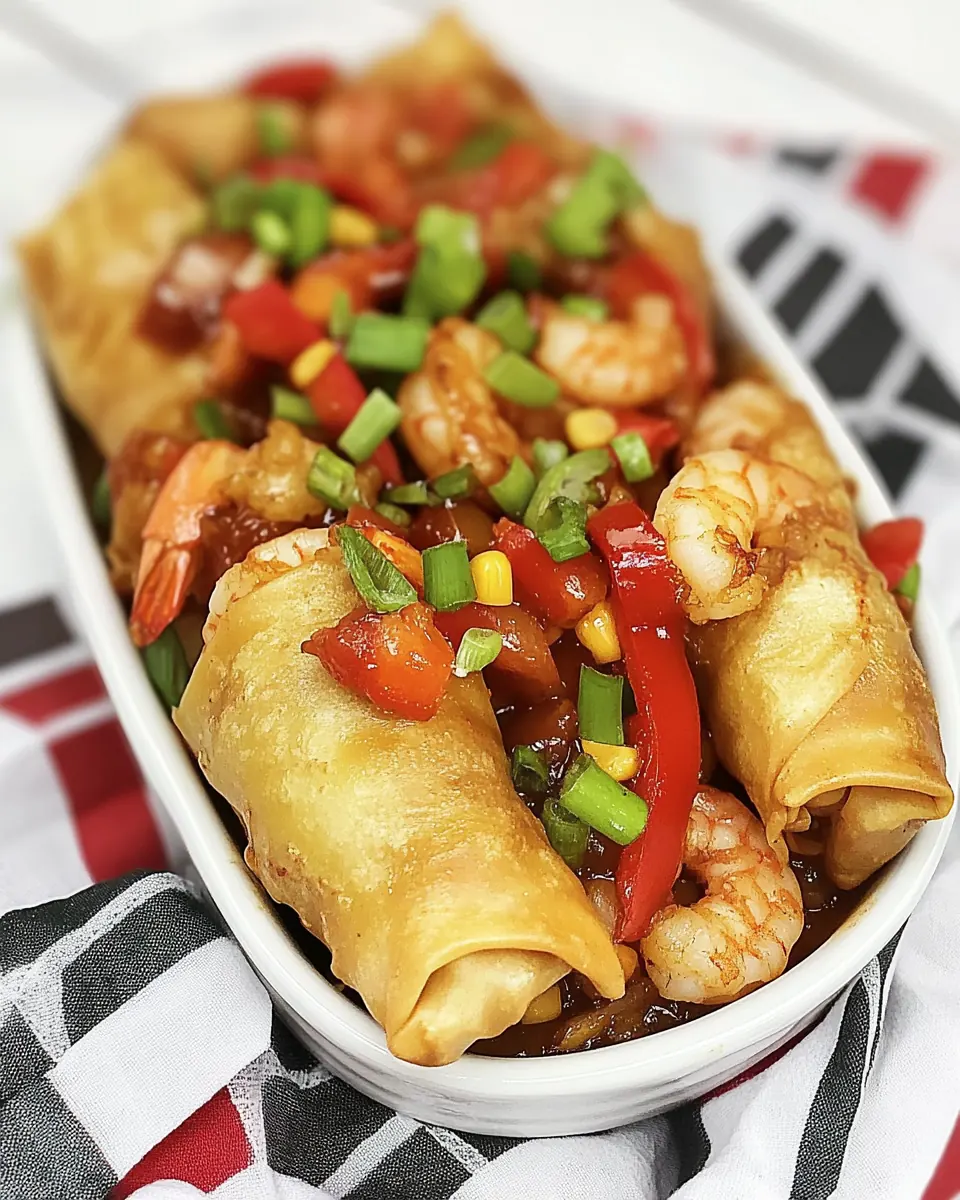
Ginger Shrimp Egg Roll Skillet blends plump, juicy shrimp with crisp coleslaw mix, toasted sesame oil, and bright ginger for a crispy yet tender easy weeknight dinner. The crunchy wonton strips and fresh cilantro lift every bite, creating a quick, flavorful skillet that feels like takeout made better at home. Make it when you want something fast, satisfying, and full of texture.
Prep Time 10 minutes
Cook Time 15 minutes
Total Time 25 minutes
Servings: 6 servings
Course: Dinner
Cuisine: American
Calories: 350

Ingredients
  

  • 3 tablespoons toasted sesame oil, divided Flavoring and cooking medium that imparts a nutty aroma and helps sear shrimp; divided usage allows high-heat cooking and finishing for glossy sheen. Adds depth typical of Asian dishes and helps distribute other seasonings evenly across the skillet. Use toasted sesame oil sparingly to avoid overpowering delicate shrimp.
  • 1 lb jumbo shrimp, peeled and tails removed Protein centerpiece providing sweet, tender bites that cook quickly in a skillet; peeled and tails removed for easy eating and even cooking. Shrimp soaks up savory and aromatic flavors from ginger, garlic, and soy while contributing body to the dish. Choose jumbo size for substantial texture and visual appeal.
  • 3 tablespoons ginger, freshly grated Aromatic spice with bright, peppery heat that elevates savory flavors and cuts through richness; freshly grated releases essential oils for maximum potency. Incorporates directly into the skillet to infuse shrimp and vegetables with warmth and freshness. Balances salty and umami elements while providing a clean, sharp finish.
  • 1 tablespoon garlic, minced Savory aromatic that builds foundational flavor and complements ginger; minced garlic browns quickly to add sweet, roasted notes. Distributes through the skillet to create depth and savory complexity in the sauce and vegetable mixture. Use just enough to avoid bitterness from overcooking.
  • 6 scallions, whites and greens sliced Mild onion component offering both sweetness and a crisp bite when sliced; use whites for aromatics and greens for fresh, oniony garnish. Adds layered texture throughout the skillet and brightens flavors when stirred in at the end. Scallions also provide color contrast against cabbage and shrimp.
  • 1/2 red bell pepper, very thinly sliced Sweet, crunchy vegetable that contributes color and texture when very thinly sliced; thin strips cook quickly and retain slight bite. Enhances visual appeal and balances the savory, acidic, and spicy elements of the skillet. Use thin slices to integrate smoothly with coleslaw mix and wonton strips.
  • 16 oz coleslaw mix, or finely shredded cabbage Bulk vegetable base delivering crisp-tender texture and mild flavor reminiscent of egg roll fillings; finely shredded cabbage cooks down with a slight sweetness. Absorbs savory sauces and melds with aromatics to create the skillet’s hearty body. Provides volume and a satisfying mouthfeel without heavy carbs.
  • 1/2 teaspoons salt Simple seasoning to enhance overall taste and help bring out natural flavors; measured amount prevents over-salting delicate shrimp and vegetables. Sprinkle throughout cooking to adjust seasoning levels gradually. Works in concert with soy sauce to achieve balanced saltiness.
  • 1 -2 tablespoons soy sauce Salty, umami liquid used to season and deglaze the skillet; start with the lower amount and adjust to taste for balanced savoriness. Helps bind flavors from aromatics and vegetables while providing the characteristic Asian sauce note. Adds depth without overwhelming if added carefully.
  • 1/4 cup chopped fresh cilantro Fresh herb adding bright, citrusy, slightly peppery flavor and a pop of green color when stirred in at the end. Chopped cilantro lifts the dish and contrasts richer, toasted elements like sesame oil and sesame seeds. Use as a finishing touch to preserve its delicate aroma.
  • 1 cup wonton strips Crispy garnish that provides crunchy contrast reminiscent of traditional egg rolls; wonton strips add texture and a playful, toasted flavor. Sprinkle on top just before serving to maintain crispness and enhance mouthfeel. Complements tender shrimp and softened cabbage with a satisfying crunch.
  • 1 tsp toasted sesame seeds Toasted garnish that adds subtle nuttiness and delicate crunch when sprinkled over the finished dish. Enhances visual appeal and reinforces the sesame flavor introduced by the oil. Use sparingly for aroma and textural contrast.

Equipment

  • Large Skillet
  • Spatula
  • Grater
  • Knife

Method
 

  1. Heat 2 tablespoons of sesame oil in large skillet over medium high heat.: The air should carry a warm nutty scent as the oil shimmers, signaling it is ready. You want the surface of the pan hot enough to give a quick sear, creating slight browning on the shrimp , which adds flavor and a pleasant textural contrast. A common misstep is using too low heat, which causes the shrimp to poach and the skillet to become soggy, so wait until the oil is glistening but not smoking.
  2. Add shrimp and cook until they are opaque and pink, 2-3 minutes.: As the shrimp hit the hot oil you should hear a gentle sizzle and see edges turn from translucent to opaque, with a gradual pink blooming through. This rapid cook keeps them tender, and the aroma will shift from oceanic to toasted, rich notes. Avoid leaving them too long, which leads to a firm, rubbery texture; remove them the moment they lose translucence.
  3. Stir in ginger and garlic and cook until fragrant, about 1 minute.: Tiny wisps of steam will carry the bright, spicy perfume of freshly grated ginger and the sweet roasted scent of garlic . This brief scent burst builds the backbone of flavor for the whole skillet. Do not let these aromatics brown or burn, because that will introduce bitterness; keep the heat steady and stir constantly.
  4. Remove the shrimp onto a plate.: You will notice the pan now holds concentrated flavor from the browned bits, which is important for the vegetables to pick up. Taking the shrimp out prevents overcooking and lets you use the same flavorful pan for the next stage. Leaving them in risks overdone shrimp and a loss of tenderness.
  5. Add the remaining 1 tablespoon of sesame oil.: The second addition of toasted sesame oil refreshes the pan with aroma and prevents sticking when the vegetables hit the heat. It also provides a subtle layer of nutty flavor that keeps the dish cohesive. Skipping this step can make the vegetables stick and fail to pick up those toasted notes.
  6. Add minced scallion whites, coleslaw mix, bell pepper strips. Cook for 3-4 minutes, stirring frequently. Season with salt.: You will see the pale scallion whites soften and the coleslaw mix begin to wilt while still holding light structure, and the bell pepper will take on a brighter tone. The sounds are a gentle, steady sauté rather than frantic sizzling. Salt helps draw moisture from the cabbage so flavors concentrate, but over salting at this point can make the mixture watery, so season judiciously.
  7. Stir in soy sauce, adjust the amount to your taste.: The soy sauce will darken the vegetables slightly and create a savory gloss that clings to the leaves, releasing a richer, umami laden aroma. Tasting after a small addition lets you control salt and intensity. Pouring too much at once can overwhelm the delicate aromatics, so add incrementally.
  8. Add the shrimp back to the skillet along with the cilantro and toss to combine.: As the shrimp rejoin the pan they warm through, and the fresh pop of chopped cilantro brightens the whole mixture. Tossing integrates flavors so each bite has protein, veg, and herb. If you over stir you can bruise delicate leaves or break the shrimp, so fold gently to combine.
  9. Sprinkle sesame seeds and scallion greens over the top. Serve with wonton strips for an added crunch! Enjoy!: This final scatter adds visual contrast and tiny bursts of toasted flavor, while the sliced scallion greens provide a fresh, oniony finish. Their fragrance lifts the dish and makes it smell like a restaurant plate. Adding garnishes too early can cause them to wilt, so reserve them for the finish.
  10. Serve with wonton strips for an added crunch: When you add the wonton strips at the table they provide immediate crisp texture against the tender vegetables and shrimp . The contrast is essential to the egg roll skillet experience. If you mix them in too soon they will lose their crunch, so sprinkle just before serving.
Notes

  • Adjust soy sauce carefully Use one tablespoon to start, then taste and add a bit more if you want deeper umami, because over salting will mask the fresh ginger and cilantro.
  • Control heat for shrimp Cook shrimp quickly over medium high heat so they remain tender, since lingering on the heat makes them tough and rubbery.
  • Manage vegetable texture Sauté the coleslaw mix just until it softens but retains a slight bite, because prolonged cooking turns it mushy and dulls the contrast with wonton strips.
  • Keep aromatics fresh Add grated ginger and minced garlic when the pan is hot and watch them closely, as they go from fragrant to bitter in moments if overcooked.
  • Garnish at the last minute Scatter the wonton strips and scallion greens right before serving so the textures remain distinct, because early garnish will steam and soften.
  • Adjust sesame oil usage Divide the toasted sesame oil so you get a nutty sear first and a finishing flavor later, since adding it all at once can make the dish feel one dimensional.