Go Back
Glazed Carrots

Glazed Carrots

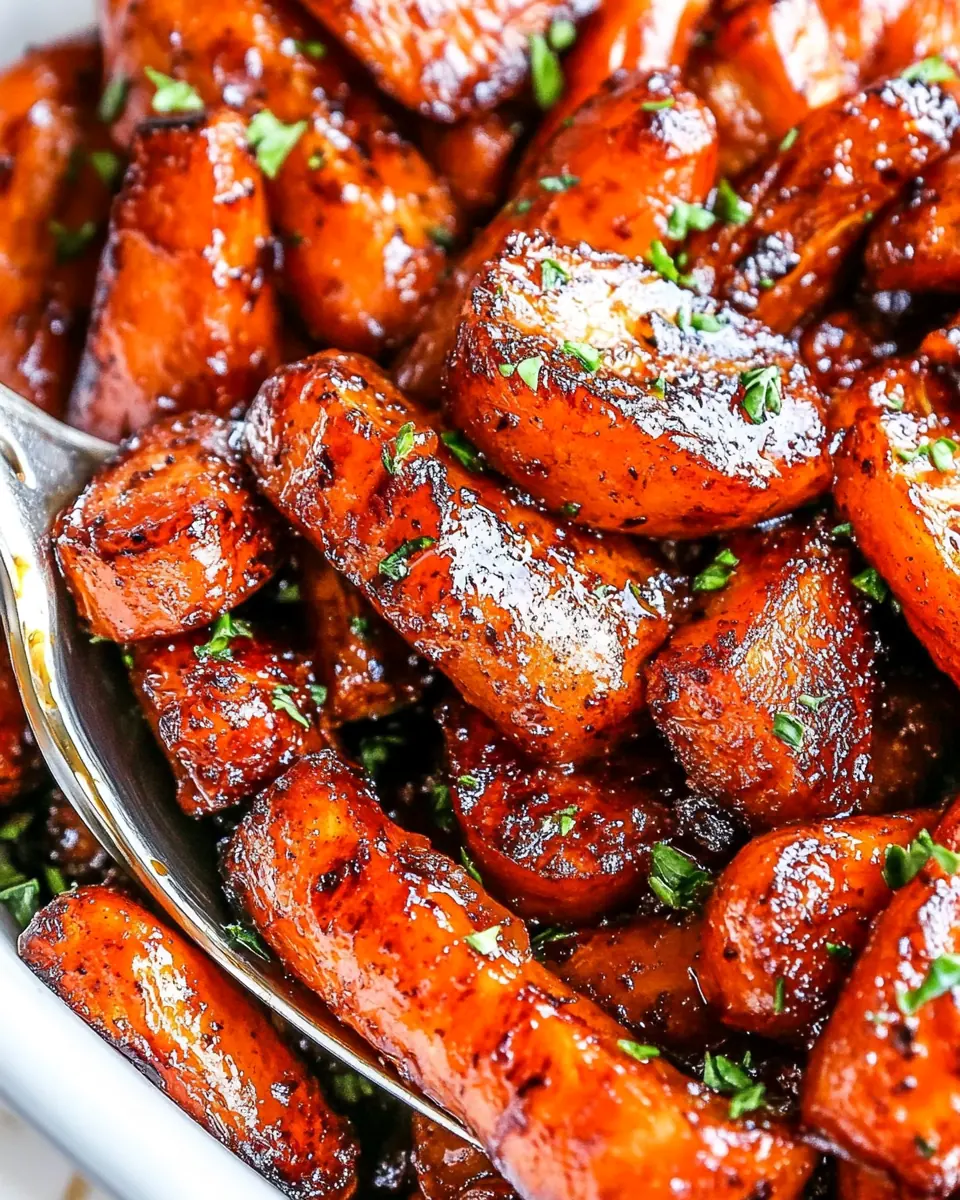
Glazed Carrots are glossy, slightly sweet, and warmly spiced, with tender yet snappy pieces coated in a buttery maple glaze. This easy side delivers caramelized edges and a bright finish that works for weeknight dinners and holiday feasts alike, promising irresistible flavor with minimal fuss and pantry friendly ingredients.
Prep Time 10 minutes
Cook Time 20 minutes
Total Time 30 minutes
Servings: 6 servings
Course: Side Dishes
Cuisine: American
Calories: 150

Ingredients
  

  • 2 pounds carrots peeled and cut into 1” lengths Provide sweetness, body, and bulk while contributing a tender texture when cooked; sliced into 1” lengths to ensure even glazing and quick, uniform cooking through simmering or sautéing.
  • 1 tablespoon olive oil Add a mild fruity fat that helps coat the carrots and prevents sticking during cooking; contributes to a light flavor and aids in browning during the glazing process.
  • water Moisten and deglaze the pan as needed to create a glossy glaze consistency; used sparingly to control cooking temperature and to steam carrots until tender.
  • 3 tablespoons unsalted butter Enrich the glaze with a creamy, silky mouthfeel and help carry flavors; melted into the pan to create a luxurious coating that balances sweetness and acidity.
  • 3 cloves garlic minced Impart pungent aromatic notes and a savory depth when minced finely; gently cooked to release fragrance and to mingle with the butter and sugar in the glaze.
  • 2 tablespoons brown sugar Provide molasses-rich sweetness and a deeper caramel flavor to develop a glossy, sticky coating; dissolved into the cooking liquid to enhance color and complexity.
  • 1 tablespoon pure maple syrup may sub honey or brown sugar Contribute natural sweetness and a subtle maple note, or serve as an interchangeable sweetener option; stirred into the glaze to boost flavor depth and shine.
  • 1 tablespoon lemon juice Brighten the overall flavor profile with a citrusy tang that cuts through richness; added near the end of cooking to preserve freshness and balance sweetness.
  • 1 teaspoon balsamic vinegar Introduce a mellow acidic note and a hint of sweetness to deepen flavor complexity; used in small amount to round out the glaze and enhance savory-sweet contrast.
  • 1/2 teaspoons salt plus more to taste Season the dish by enhancing overall flavor perception and helping to balance sweetness; added to taste and adjusted after cooking to ensure proper seasoning.
  • 1/4 tsp EACH pepper Provide mild heat and aromatic complexity to the dish through freshly ground spice; added in small quantity to complement the sweet and savory elements without overpowering.
  • 1/8 tsp EACH dried thyme, ground cinnamon, ground ginger, chili powder or more to taste (I like more) Layer warm, woody, and slightly spicy flavors for depth and complexity; combined in small amounts to add aromatic interest and to play off the sweetness of the glaze.

Equipment

  • Large skillet with lid
  • Colander
  • Measuring Spoons

Method
 

  1. (Optional for more flavor): Heat oil over medium-high heat in a large skillet with a lid. Once hot, add carrots and cook undisturbed for 2 minutes, then continue to cook and stir an additional 3 minutes.: You should hear a lively sizzle when the olive oil hits the pan and the pieces first make contact, that initial crackle helps develop a slight caramelization on the edges which builds flavor later. As you cook the carrots undisturbed for the first 2 minutes, look for the outer surfaces to take on a faint golden blush; stirring every few minutes after that ensures even color. The smell will be faintly sweet and toasty at this point, signaling the start of caramelization. The why here is simple, that sear gives texture and a deeper flavor base for the glaze to cling to. A common mistake is moving the carrots constantly which prevents browning, so let them sit briefly to develop color.
  2. Remove from heat and carefully add enough water to reach 1” deep in the skillet. Bring to a boil, cover, and reduce heat to a simmer. Simmer 12-18 minutes (depending on actual carrot size, pot size, etc.) or until carrots are barely fork tender, adding additional water if it evaporates too soon. Once tender, drain carrots of any excess water and add carrots back to skillet.: You will notice steam billowing as the water meets the hot pan, and that steam is what gently finishes the carrots until they are yielding but still hold their shape. The fork tender test is the best indicator; a knife should slide in with light resistance. The pot will smell faintly vegetal and sweet once they near readiness. Draining well is important so the glaze can concentrate and stick; soggy vegetables resist glazing. Avoid overcooking which leads to mushy texture and dull flavor.
  3. Add butter and garlic to carrots and cook over medium heat until the butter melts. Add brown sugar, maple syrup, lemon juice, balsamic vinegar and all seasonings. Continue to cook and stir until glaze thickens, about 5 minutes. Taste and add additional salt if desired (I like more salt). Best served warm.: When you add the butter , it will foam and release a rich, nutty scent as it warms, and the minced garlic will immediately perfume the pan with savory notes. That aroma is a reliable cue that the pan is ready for the sweet elements. The melted butter coats the carrots and helps the glaze adhere later on. Be mindful of heat; if the garlic browns too fast it will taste bitter, so keep the heat moderate and watch for a soft, fragrant sizzle.
  4. Add brown sugar, maple syrup, lemon juice, balsamic vinegar and all seasonings.: As you add the brown sugar and pure maple syrup , you will hear a gentle bubbling as the sugars dissolve and begin to caramelize into the fat. The lemon juice and balsamic vinegar will hiss briefly and then blend, releasing a bright and slightly tangy scent that balances the sweetness. The spices will bloom in the warm fat, intensifying their aromas and creating complexity. This combination gives the glaze its glossy sheen and layered flavor, and tasting as you go helps you adjust seasoning. A common pitfall is adding too much acid at once which can make the coating thin, so add modestly and adjust to taste.
  5. Continue to cook and stir until glaze thickens, about 5 minutes. Taste and add additional salt if desired (I like more salt). Best served warm.: In these final minutes you will notice the liquid reduce into a syrup that clings to the carrots , and the pan will take on a sticky shine; that is the perfect visual cue that the glaze is ready. Stirring helps the heat distribute and prevents localized burning, while the aroma will turn richer and more complex, with caramel notes and a hint of warmth from the spices. Taste now and add extra salt if needed to sharpen the flavors, since salt enhances sweetness and balances the dish. Avoid overcooking the glaze until it becomes too thick and grainy; remove from heat while it is still glossy and pourable so it coats rather than crystallizes.
Notes

  • Slow Cooker Option: Add prepared carrots and all glaze ingredients to a lightly greased crock pot without adding water, cook on high for two to three hours until tender, then transfer to a skillet and reduce the glaze to thicken.
  • Bake Finish: Toss the carrots with oil and seasonings on a rimmed baking sheet and roast at four twenty five for forty to fifty minutes for a caramelized alternative that yields crispy edges.
  • Microwave Shortcut: Place the carrots in a microwave safe dish with about three quarters inch of water, cover and microwave six to eight minutes until fork tender, drain well and finish with warmed glaze for a fast solution.
  • Oven Proof Dish Method: Add the carrots and remaining ingredients to an oven proof dish without water, melt the butter and drizzle over before baking at four twenty five for forty to fifty minutes, stirring once for even caramelization.
  • Make Ahead Storage: Cook completely, chill in an airtight container up to three days, then rewarm gently in a buttered skillet until the glaze loosens and becomes glossy again.