Preheat oven to 400 degrees. In a mixing bowl, whisk together flour, baking powder, baking soda, salt, cinnamon and nutmeg, set aside. In a separate bowl, whisk together milk and buttermilk, set aside.: As the oven warms, you will notice a faint hum and the heat starting to circulate, which primes the air for quick rise and immediate oven spring. Preheating fully ensures the muffins begin browning right away, creating a golden exterior while the interior sets gently. One common mistake is placing muffins in a not fully heated oven, which yields under risen, dense tops, so always allow the oven to reach temperature first. I often place the rack in the center to get even heat, and you should feel the warmth when you open the oven to confirm readiness.
In a large mixing bowl, using an electric hand mixer on medium speed, blend together butter and sugar until well combined, about 30 seconds. Mix in eggs one at a time mixing after each addition. Blend in vanilla. Using a wooden spoon to mix, add flour mixture in three separate batches, alternating with two additions of the milk mixture, mixing just until combined after each addition (batter will be thick). Divide batter among 12 paper lined muffin cups (in a non-stick muffin tin) filling each one nearly full (about 1/3 cup batter per each). Bake in preheated oven 15 - 20 minutes until toothpick inserted into center of cupcake comes out clean. Transfer to a wire rack and allow to cool for about 10 minutes.: Mixing the dry ingredients by whisking makes a uniform distribution of leaveners and spices so every bite tastes consistent; you should see a lightly speckled mixture of spice against pale flour. This step prevents pockets of baking soda or clumps of cinnamon that could create uneven flavor or rising. A common pitfall is insufficient whisking, which can leave a small area overly spiced or cause uneven lift, so take a little extra time until the mixture looks homogeneous.
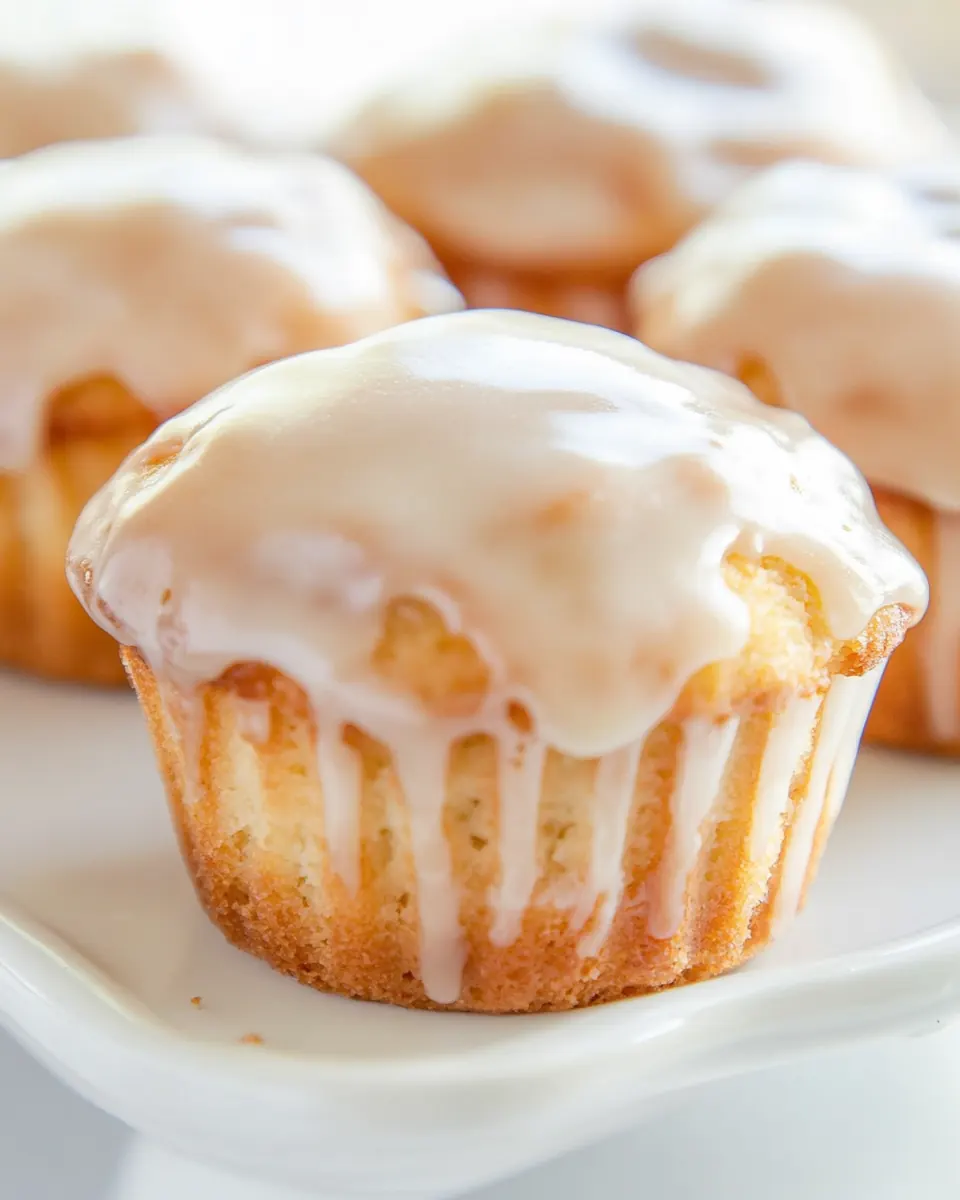
During the last few minutes of cooling prepare glaze by whisking together powdered sugar, milk and vanilla in a small bowl. Dip each muffin in glaze, while twirling and rotating to evenly coat tops (and allowing it a few seconds to get a good layer of coating on), then lift and allow excess glaze to run off. Enjoy warm or allow cupcakes to rest at room temperature about 5 - 10 minutes until glaze has set. Store in an airtight container.: When you combine the milk and buttermilk , the mixture should look smooth and slightly tangy, and if you sniff it gently you will detect a mild dairy aroma. This liquid blend reacts with the baking soda later to provide tender crumb and a gentle lift. Avoid using very cold dairy straight from the fridge, because room temperature milks combine more easily and integrate better into batter, preventing uneven texture.
Recipe Source: adapted lightly from Fine Cooking: When you cream the softened butter and sugar with an electric mixer on medium, you will see the mixture lighten and look slightly fluffy, which traps small air pockets that help the muffins rise. The texture should be smooth and glossy, not greasy. A typical mistake is using butter that is too soft or melted, which prevents proper creaming and can make the batter too loose, so aim for butter that yields slightly under finger pressure.
Mix in eggs one at a time mixing after each addition: Adding the eggs individually helps them incorporate without breaking the batter, creating a silky emulsion that improves structure and mouthfeel. After each egg, the batter should look glossy and cohesive, and you may hear a light whir as the mixer blends. A problem to watch for is adding cold eggs to cold butter, which can cause lumps; tempering eggs to room temperature prevents curdling and ensures even mixing.
Blend in vanilla: Adding vanilla extract at this stage perfumes the batter and ties together the butter and sugar flavors with a warm aroma. You should notice the scent lift when the mixer runs briefly after the vanilla goes in. Too much mixing after vanilla can overwork the batter, so blend just until combined to preserve the tender crumb.
Add flour mixture in three separate batches alternating with two additions of the milk mixture mixing just until combined after each addition batter will be thick: Alternating dry and wet additions prevents over mixing while ensuring everything hydrates evenly; the batter will thicken and look lumpy in a pleasing way. After each addition, the texture should go from slightly stiff to a smoother, cohesive mass. Over mixing at this point develops gluten, creating tougher muffins, so stir only until streaks disappear. A typical error is dumping everything in at once, which often leads to denser texture and uneven pockets of flour.
Divide batter among 12 paper lined muffin cups filling each one nearly full about 1/3 cup batter per each: As you spoon batter into paper liners, the cups should reach nearly full and the surface should be smooth, with small peaks that settle as they bake. Filling them this way gives rounded tops reminiscent of doughnuts. Avoid under filling, which produces flat muffins, or over filling, which causes spillover. I use a 1/3 cup scoop to keep portions consistent and to ensure even baking across all twelve.
Bake in preheated oven 15 to 20 minutes until toothpick inserted into center of cupcake comes out clean: During baking you will smell warm butter and spices, and the tops will shift from pale to a golden hue, sometimes forming a slight dome. The toothpick test ensures the interior is set, and a clean toothpick or one with a few moist crumbs is the ideal read. A common mistake is removing them too early, leaving a gummy center, so if in doubt give them an extra minute or two while watching closely to avoid over browning.
Transfer to a wire rack and allow to cool for about 10 minutes: As the muffins cool on a rack, steam escapes and the crumb firms just enough so they hold together when glazed, while the bottoms remain soft. You will feel warmth when you pick one up, and the aroma will be at its most inviting. A pitfall here is glazing while still piping hot, which can cause the glaze to slide off, so allow the brief cooling period to set the interior structure without losing heat completely.
Prepare glaze by whisking together powdered sugar milk and vanilla: The glaze should be glossy and pourable, and as you whisk you will see it transform from powder to a silky ribbon that drips slowly from the whisk. This step controls final sweetness and shine, and a thicker glaze will set with a sheen while a thinner one will soak slightly into the top. If your glaze is too runny, add a touch more powdered sugar ; too thick, add a few drops more milk . Avoid lumps by whisking briskly and sifting if needed.
Dip each muffin in glaze twirling and rotating to evenly coat tops allowing excess to run off then lift and allow excess glaze to run off: When you dunk each muffin, the glaze should cling and spread into a smooth shell while you twirl gently to cover the surface. The action gives an even coat and creates the signature shiny finish. Let the excess drip back into the bowl so the coating sets neatly. A common error is dragging the muffin on the rim, which smears the glaze, so lift straight up and allow gravity to do the work. Once glazed, place them back on the rack to set for about 5 to 10 minutes.
Enjoy warm or allow cupcakes to rest at room temperature about 5 to 10 minutes until glaze has set store in an airtight container: The warmed muffin with slightly tacky glaze is a sublime experience, and as they cool the glaze firms to a pleasant bite. Store leftovers in an airtight container to maintain tenderness; if stacked, place a sheet between layers to avoid sticking. Avoid leaving them uncovered where the glaze can attract dust or dry out the muffin crumb.