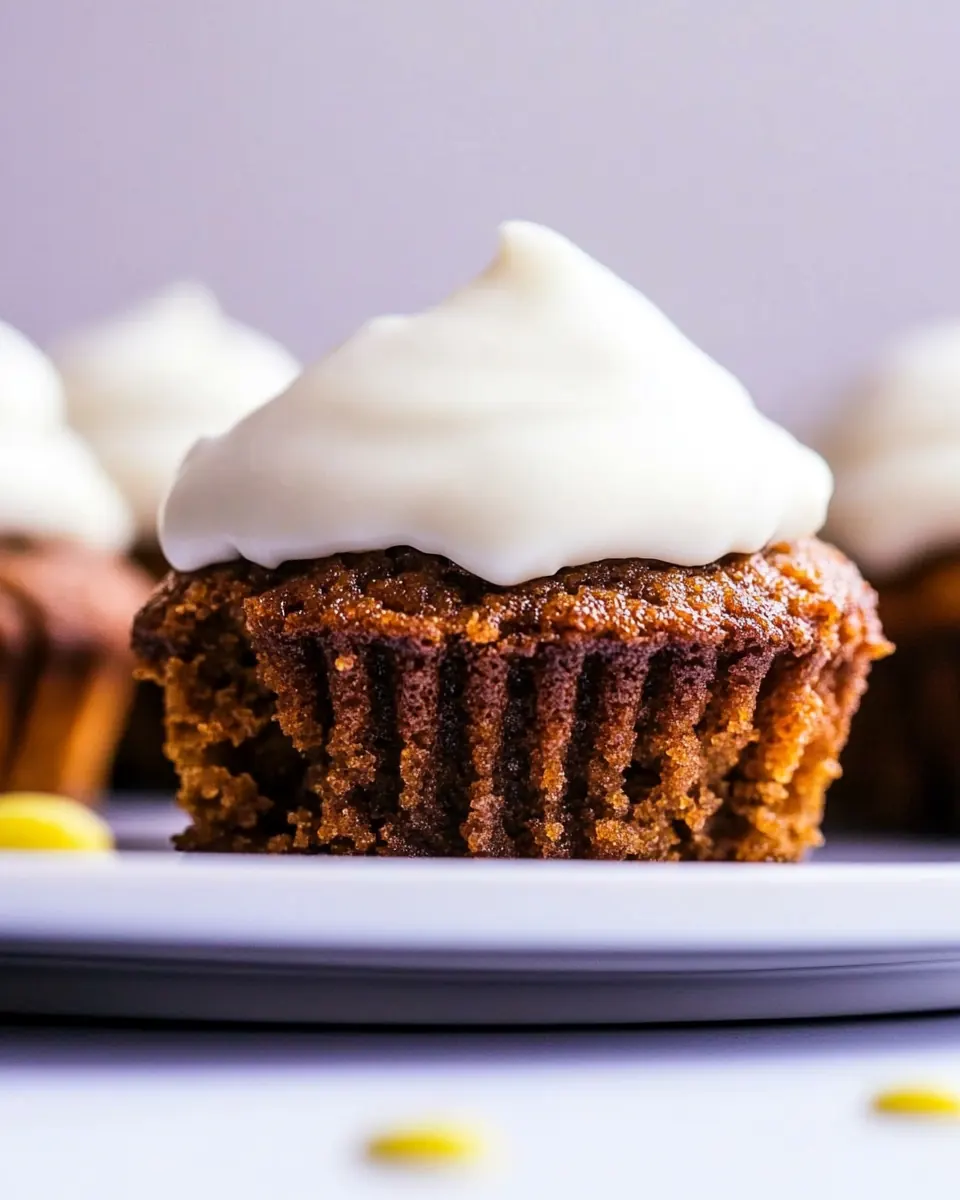
Preheat your oven to 350 degrees Fahrenheit and line a muffin tin with 6 muffin liners. Set aside.: As the oven warms to 350 degrees Fahrenheit , you will notice a faint dry heat in the kitchen and the familiar hum of the oven cycling on, which primes the environment for even baking. Getting the muffin tin lined ahead of time saves stress once the batter is ready; the liners protect the bottoms and make the cupcakes easy to remove. A warm oven ensures immediate and steady rise, producing a tender, well domed top. One mistake I often see is underestimating preheating time, which can cause uneven rise or dense centers. If your oven runs cool, use an oven thermometer to confirm the temperature and avoid opening the door during the first half of the bake, since that sudden cool down can collapse the domes.
In a medium mixing bowl, stir together the sifted coconut flour, baking soda, baking powder, cinnamon, nutmeg, and salt until well combined. Set aside.: When you whisk these dry elements you release aromatic oils from the cinnamon and nutmeg , and the sifted coconut flour becomes airy, making it easier to integrate with the wet ingredients. The dry mixture should smell warmly spiced and look homogeneous, no clumps visible, which signals even distribution of leaveners so every cupcake rises similarly. If the coconut flour seems lumpy, sift again to prevent dense pockets in the batter. Over mixing will not ruin this stage, but failing to combine the leaveners uniformly could give uneven texture, so take a moment to fully incorporate.
In a large bowl, using an electric hand mixer, beat together the eggs, coconut oil, vanilla extract, and coconut sugar until light and fluffy.: The sound here is a steady whisking rhythm as the eggs emulsify with the melted coconut oil and dissolve some of the granulated coconut sugar . You want the mixture to lighten in color and gain volume, which creates air pockets that contribute to a tender crumb. The mixture will smell sweet and faintly of coconut and vanilla. If the coconut oil is too warm it can cook the eggs slightly, so cool it a bit before mixing. A common mistake is not beating long enough; underbeating leaves a dense batter, while overbeating after adding dry ingredients can tighten the crumb.
Stir in the coconut flour mixture, mixing well to ensure there are no lumps.: After adding the dry mix, the batter will thicken noticeably because coconut flour absorbs moisture quickly. Use a spatula to fold and press against the bowl, scraping the sides to fully incorporate. The texture should become cohesive and slightly thick, not runny. If you see dry pockets of flour, continue folding gently until smooth. Be careful not to overwork the batter, as aggressive mixing can create a gummy texture. If the batter sits too long before baking it may firm up, so plan to move to the next step without delay.
Stir in the grated carrots until all the carrots are mixed in and coated in the batter.: The grated carrots add bursts of moisture and visual interest, speckling the batter with orange ribbons. As you fold them in, notice how they release a faint vegetal sweetness and dampen the thick batter, making it more pliable. Ensure the carrots are evenly distributed so each cupcake has similar moisture and flavor. Overloading with very wet carrots can make batter too loose, so if your carrots are especially juicy, gently squeeze excess liquid before adding to maintain proper batter consistency.
Pour the batter into the prepared muffin tins and let stand 10 minutes before baking.: Filling the liners about two thirds full, you will feel the difference between a dense scoop and a gently spread batter. Letting the batter rest for 10 minutes lets the coconut flour fully hydrate, smoothing the batter and promoting better rise and texture in the oven. This pause also helps release any trapped air and allows flavors to meld. A mistake is skipping the rest period, which can lead to underbaked centers or a grainy mouthfeel. Use this short wait to preheat your oven if needed and tidy your workspace.
Bake for 20-22 minutes, or until the top is golden and a toothpick inserted in the center comes out clean.: As they bake, the cupcakes will lift and the tops will take on a soft golden hue, and you may catch the scent of warming cinnamon . The sound is mostly quiet, but you can sometimes hear the oven fan and a low settling as the interiors finish setting. Use the toothpick test to avoid overbaking; when it comes out clean or with a few moist crumbs, the cupcakes are done. Overbaking dries them out, while underbaking leaves a gummy center. If your oven runs hot, check at 18 minutes to prevent excessive browning.
Let cool completely before frosting.: Cooling allows the crumb to set and stops carryover cooking, and the tops will firm slightly as they cool. The cupcakes will release a soft, sweet aroma as steam escapes. Frosting warm cupcakes can cause the frosting to melt or slide, so patience here ensures a neat finish and stable frosting. If you are impatient and frost warm cupcakes, the cream cheese frosting may become loose and weepy; always confirm they are room temperature before applying icing.
In a large bowl, beat together the softened cream cheese and butter until light and fluffy (about 5 minutes).: The texture transforms into a pale, airy mixture with a smooth, silky sheen as you beat the cream cheese and butter . The sound shifts to a rhythmic whir and the aroma becomes rich and dairy forward. Properly softened ingredients incorporate into a stable emulsion that holds shape when piped. If either ingredient is too cold, you will have lumps; too warm and the frosting will be greasy. Aim for room temperature for both to strike the right balance.
Beat in the vanilla until well combined.: Adding the vanilla extract brings a fragrant sweetness that ties the frosting to the cake flavors. The mix should smell rounder and more aromatic after incorporation. Mixing for a short time ensures even distribution without over aerating. Overbeating at this point can cause the frosting to become too soft, so maintain medium speed and watch the texture.
Turn the mixer down to low and gradually beat in the powdered sugar.: Slowly adding the powdered sugar prevents clouds of sugar and helps build structure without making the frosting gritty. The frosting will thicken as you add sugar, and you can gauge sweetness and firmness by adjusting the amount added. If you add the sugar too quickly you may end up with an overly stiff or dust filled bowl, which affects texture. Keep the mixer low to avoid a sugar storm and ensure smooth incorporation.
Turn the speed back up and beat for an additional 2-3 minutes, until light and fluffy.: Increasing speed aerates the frosting, creating a light, pipeable texture that holds peaks without collapsing. The frosting should look glossy and hold a soft peak when the beaters are lifted. This whipping also reduces perceived sweetness and gives a velvety mouthfeel. Overbeating can cause the frosting to break and become grainy, so stop when you see smooth, sustained peaks.
Spoon the icing into a parchment bag (or a zip-top bag with the bottom corner cut off) and swirl the icing on top of each cupcake.: As you pipe the frosting, the cupcakes transform visually into something inviting, each swirl catching light and emphasizing texture. The frosting should feel cool and creamy, with a slight tang from the cream cheese . If the frosting seems too loose while piping, chill it briefly to firm up. A common error is overfilling the piping bag which makes control harder, so fill it to a manageable level for steady pressure and even swirls.