Wash and peel the potatoes, and cut them into large chunks. Place in a pot and cover with cold water. Cover and bring to a boil, and boil for 10-12 minutes or until the potatoes are fork tender.: At this stage you will smell that earthy potato aroma as steam rises while the water gently roils, and the sound of a steady simmer tells you things are progressing. Starting with cold water ensures the potatoes cook evenly from edge to center, preventing a mealy exterior and underdone core. A common mistake is cutting pieces unevenly which leads to uneven cooking, so aim for similar sized chunks. Drain when a fork slides through without resistance, that visual and tactile cue confirms doneness and prevents overcooking which can make the mash waterlogged.
Drain the water off, return the potatoes to the pot, giving them a few minutes for the excess moisture to evaporate off.: After draining the residual heat helps steam escape from the potatoes, leaving them drier and more able to absorb cheese without becoming soggy. You will see faint wisps of steam and hear a quiet settling sound as moisture evaporates. Rushing this step can trap extra water in the mash, leading to a wet filling that is hard to shape, so let the potatoes sit uncovered briefly to lose excess moisture.
Add the cheese, salt, and pepper to the potatoes, and cover the pot for a few minutes to allow the cheese to melt.: When you replace the lid the warmth softens the cheddar cheese , and you will notice a glossy sheen as it begins to melt into the potato. This melding creates pockets of molten cheese that enrich each bite. Stirring too soon can prevent full melting, and an under-melted mix can be lumpy in texture, so let the steam do its work for a moment before handling.
Using a potato masher and spatula, mash and stir the potatoes to incorporate the cheese. It’s fine if there are still a few lumps.: The mash should be mostly smooth with a few small lumps for texture, and you will feel a change from coarse chunks to a cohesive mass under the masher. That mixture should give a slightly pillowy resistance when pressed. Overworking into a paste can make the filling gummy, so stop once the major lumps are gone and the cheese is well distributed.
Place potato mixture in the refrigerator until cooled completely, and ready to use.: Cooling firms the filling, which makes it far easier to portion and prevents it from leaking through the dough. You will see steam dissipate and the surface tightening as it chills. A common error is to skip chilling which leads to soft filling that oozes and weakens the dough seal; patience here makes assembly neater.
Combine the farmers cheese, egg yolk and salt in a bowl and stir until well mixed.: Mixing creates a uniform, slightly cohesive filling base, and you will notice the farmers cheese taking on a creamier consistency as the yolk binds it. The mixture should hold together carefully without becoming runny. If it looks too dry, a tiny splash of sour cream could help, but follow the recipe amounts to avoid an overly loose filling that will escape during boiling.
Cover and keep in the refrigerator until ready to use.: Chilled fillings stay firmer and easier to portion, and cold fillings reduce the chance of heat softening the dough during assembly. Keep the bowl covered to prevent drying and skin formation. Leaving fillings uncovered can introduce a crust or shift moisture balance, so tent with plastic or use a lid while you prepare the dough.
Whisk the gluten free flour, tapioca starch, xanthan gum, and salt together in a large bowl, and make a well in the middle.: You will see a uniform light colored flour blend with a small hollow in the center ready for wet ingredients. Thorough whisking distributes the xanthan and salt so the dough hydrates evenly, which is critical for consistent texture. A frequent slip is to add liquids to unblended flour which creates pockets of uneven hydration and leads to sticky or crumbly spots in the dough.
Place the eggs and sour cream into the well. Using your fingers, gradually work the flour into the eggs and sour cream until you have a crumbly mixture.: The tactile process is important here, you will feel the mixture transform from wet center to scattered crumbs as flour absorbs the wet ingredients. This crumbly state ensures you can add water slowly without ending up with a gluey mass. If you try to mix too quickly with a spoon you may overwork the xanthan, producing an overly gummy dough, so use gentle, patient pressure with your fingers.
Slowly pour in the water while working it into the flour mixture with your hands, starting with about 1/4 cup, then adding more gradually as you bring the dough together. You will think you haven’t added enough, but as you work the dough, it will come together. So it is better to add the water very slowly.: Warm water helps the dough become cohesive and pliable, and you will notice the crumbs knit together into a shaggy mass. The sound of the dough shifting under your palms and the visual cue of no loose dry flour signal the right hydration. Adding water too fast is a common misstep that creates a slack dough, so trust the slow addition approach to maintain control.
Once the dough comes together, knead it until it is fairly smooth and elastic, and slightly damp, but not loose. You can wet your fingers to work in a little more water at a time, as needed.: Kneading builds cohesion so the dough can be rolled thin, and you will feel the surface become smoother and spring back slightly when pressed. The elasticity means the dough will hold a seal without cracking. Overkneading, especially with gluten free blends, can make the dough tough or overly sticky, so aim for gentle, deliberate kneading until the desired texture appears.
Form the dough into a ball, cover with plastic wrap, and let rest in the refrigerator for about 10 minutes (do not let it rest more than about 30 minutes).: Resting relaxes the dough and makes rolling easier, and you will notice the surface firming slightly after chilling. Too little rest leaves the dough resistant and prone to tearing, while too long can dry it out; keeping to the window prevents both issues. Covering tightly also keeps the surface from forming a crust.
Using about a quarter of the dough at a time, roll it out very thin on a silicone baking mat, about 1/8" thick. You can lightly dust the surface with a little tapioca starch, only if needed. Cut circles about 3-3 1/2 in. in diameter.: Rolling thin creates a delicate wrapper that cooks through evenly, and you will hear the faint whisper of the rolling pin against the mat as the dough thins. Light dusting prevents sticking without adding grit. Rolling too thick results in doughy pierogi, while rolling too thin risks tearing, so aim for that fine balance and check by lifting a circle gently to test strength.
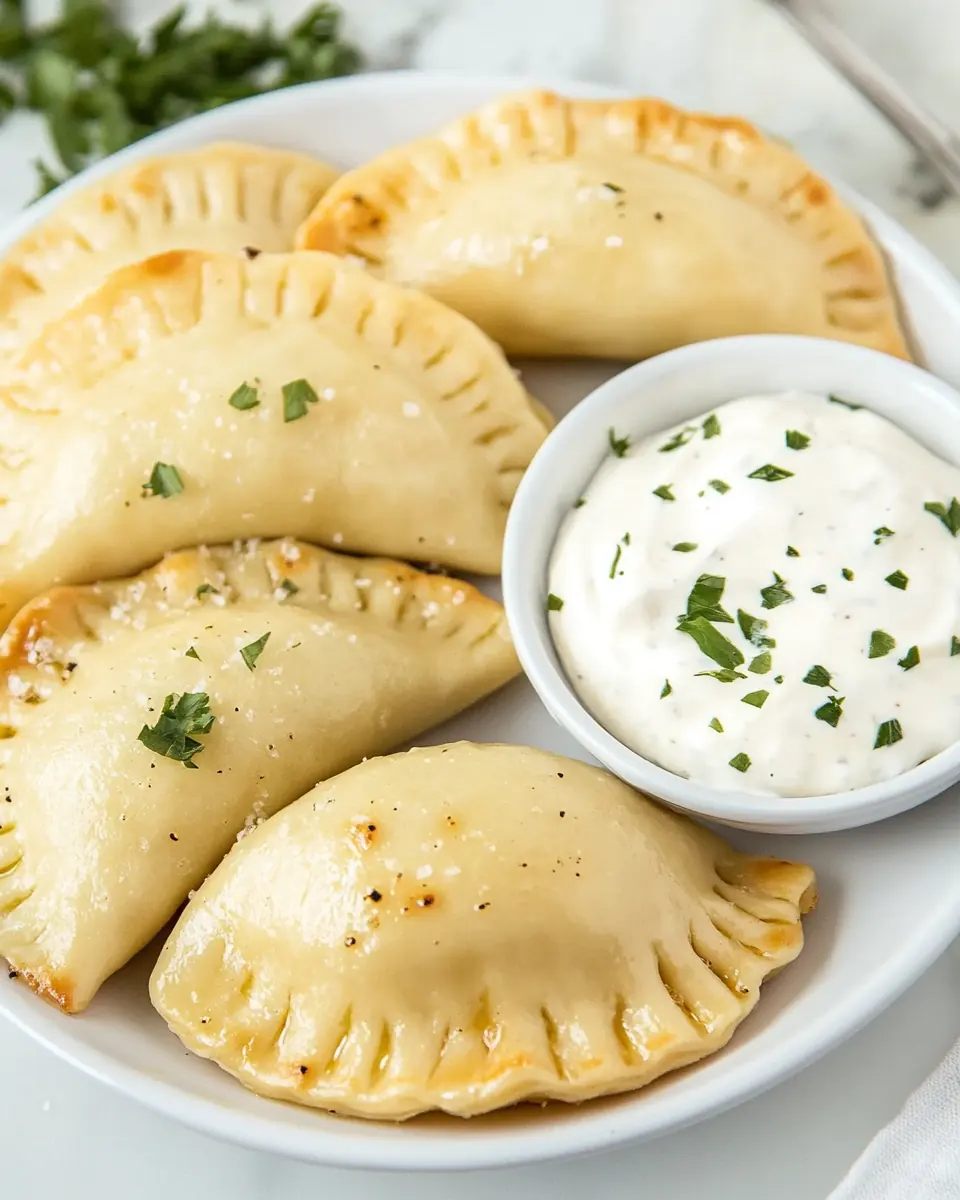
Place about 1 tablespoon of the desired filling offset from the middle of the circle, fold the circle over, and press the edges together with your fingers, then use a fork to seal completely. Place the formed pierogi on a parchment-lined sheet pan.: The offset placement keeps filling centered when folded, and pressing then crimping seals the seam so it does not open during cooking. You should hear a soft press and see a neat fork pattern sealing the edge. Common mistakes include overfilling which causes leaking, or not sealing well enough which leads to burst pierogi in the simmering water.
Repeat with the remaining dough, gathering the scraps to roll a second time to get a full 2 dozen. Do not roll more than twice, as the dough gets dry and tough.: Working in batches keeps the dough fresh and hydrated, and you will notice the scraps will roll out fine once, but become drier and less pliable on repeat attempts. Overworking the scraps is a trap that produces tougher dough, so gather and re roll only once for best results.
Bring a shallow pan of water to a gentle simmer (do not boil).: A gentle simmer is signaled by small, steady bubbles and a soft steam, it cooks the pierogi through without violent agitation that can tear them. Boiling water can be too aggressive and cause pierogi to bump and split, so maintain a calm simmer for best shape retention.
Depending on the size of your pan, add about 4-8 pierogi at a time, stirring gently to keep them from sticking to the bottom and each other. Do not overcrowd your pan. Simmer for about 15 minutes. They will be floating when they are done.: You will see pierogi rise and float to the surface and hear a gentle tiny bubbling around them. Floating indicates they are cooked through, and stirring gently prevents clumping and tearing. Overcrowding lowers the water temperature and increases sticking, so keep batches modest for even cooking.
Remove from the simmering water, and place in a baking pan or on a sheet pan sprayed with cooking spray, and top with some small bits of butter to keep them from sticking.: The butter melts and creates a glossy coating that stops sticking and adds flavor, and you will see a light sheen covering their surfaces. Placing them on a prepared pan prevents condensation and sticking. If left in a pile they may clump together, so arrange them in a single layer when possible.
Continue until you have boiled all of the pierogies. You can cook and serve them immediately or store in the refrigerator for up to 3 to 4 days, or freeze them for up to 2 months.: As you work through batches you will notice consistent color and texture when they are done. Cooling before storage prevents condensation and sogginess. Storing improperly, like stacking hot pierogi, can lead to sticking and loss of shape, so separate layers with parchment if refrigerating or freeze flat before bagging.
Stovetop: Melt butter in a pan and sauté onions, if desired. Add the pierogi and sauté until heated through. You can cook them until browned and crispy, if desired, or keep them soft and just lightly golden.: Melt butter in a pan and sauté onions, if desired. Add the pierogi and sauté until heated through. You can cook them until browned and crispy, if desired, or keep them soft and just lightly golden. : The sizzling butter and faint sweet aroma of browned onions is a clear sensory cue that the final touch is underway, and the contrast of crisped edges with tender interiors is delightful. Use medium heat to get a golden exterior without burning. A common issue is using too high heat which scorches the butter and leaves interiors cold, so moderate the pan temperature and watch closely.
Oven: Preheat the oven to 350°F. Place the pierogi in a baking pan and top with slices of butter. Add sliced onion, if desired. Bake at 350°F for 20-30 minutes, gently tossing after 10-15 minutes, until heated through.: Preheat the oven to 350°F. Place the pierogi in a baking pan and top with slices of butter. Add sliced onion, if desired. Bake at 350°F for 20 to 30 minutes, gently tossing after 10 to 15 minutes, until heated through. : In the oven you will notice a subtle toasting aroma and gentle bubbling from the butter. Baking offers an even reheating method that yields a lightly golden surface without the extra oil of pan frying. Avoid overbaking which dries them out, and check for even warming by gently pressing to confirm soft interior temperature.