Place the potato cubes in a medium saucepan and cover with cold water by 1 inch. Bring to a boil over a high flame, then simmer until the potatoes are fork tender, about 20 minutes, depending on the size of your pot/pan. Drain the potato and shake out all the water. You want the potato mixture to be pretty dry. Transfer the potatoes to a large mixing bowl and mash with a fork until most of the chunks are broken down. Allow to cool completely - you can stick the bowl in the fridge to speed this up.: As the water comes up to a boil you will notice the kitchen filling with a faint, earthy potato scent; this is the foundation aroma that lets you know starches are cooking properly. Starting with cold water ensures the cubes heat evenly and prevents the outside from overcooking before the center softens. A common mistake is dropping the potatoes into boiling water, which can lead to an uneven texture, where the exterior becomes waterlogged and the interior remains firm. Stirring once or twice as the pot heats helps avoid sticking, and bringing to a gentle boil keeps the surface from breaking apart too quickly.
Meanwhile, using your fingers (I love playing with my food), shred the smoked fish. Remove the skin and any of tough top layer flesh that’s been smoked into a leather-like consistency. You don’t have to be super anal about this, just remember that you want the texture of your fish cakes to be pretty smooth. Also, watch out for pin bones as your sift through and remove those (another reason fingers are your best implement).: You will hear the vigorous boil settle into a steady simmer, and small bubbles will lazily rise to the surface when the potatoes are nearly done. Visual cues include a uniform softness when you pierce a cube with a fork, and the pieces should break apart without resistance. Overcooking can cause the potatoes to become waterlogged and gluey, so test early if your chunks are small. Drain promptly when tender to avoid absorbing too much water, which affects the final texture of the mash.
Add the mustard, mayo, and salt to the potato mixture and stir until smooth. Fold in the fish flakes, egg, and chives until well distributed and everything is clinging together nicely. If you think the batter is too wet, add a tablespoon of flour. It should be thicker than mashed potatoes and much less sticky.: As you drain, give the colander a few gentle shakes; you will notice steam escaping and the potatoes sounding slightly drier, which is exactly what you want. Excess water makes the mash loose, and that will prevent the cakes from holding shape. A common pitfall is skipping this step and ending up with a batter that requires extra flour to bind, which changes the mouthfeel. After draining, letting the potatoes sit in the hot pan off the heat for a minute helps evaporate residual moisture.
Scoop a tablespoon of the potato mixture and roll it between your palms to form a ball. Pat each ball into a flat patty, about 1/2 inch thick.: The texture at this stage should be rustic rather than silk smooth; you want small lumps for bite. The mashed potatoes should feel dry to the touch and slightly grainy from released starch. If you overwork them with a food processor, they can become gluey, so stick to manual mashing. Be mindful of temperature too, as warmer mash blends more easily with the other ingredients, but it must cool before adding the egg to avoid scrambling.
Cover a dinner plate with the flour. Dredge the patties one at a time in the flour, until they’re coated all over, shaking off any excess. Place the coated cakes on another plate, cover with plastic wrap, and leave them in the fridge for at least 1 hour, and up to 3 days. This will help the mixture firm-up, which is a must without any breadcrumbs in the binding.: Cooling is crucial so the beaten egg remains effective as a binder and does not coagulate prematurely. Pop the bowl in the refrigerator for a short period and you will notice the mash becoming firmer and quieter, losing steam. A mistake here is rushing this step, which often leads to loose cakes that fall apart in the pan. If you are in a hurry, spread the mash on a shallow tray to cool faster, but make sure it reaches a cool, hand friendly temperature.
When you’re ready to eat them, coat a large heavy skillet with vegetable oil (about 1/4 inch up the sides) and place over high heat. To test whether the oil is hot enough, fry one of the cakes. It should immediately sizzle when it hits the pat. Arrange the cakes in an even layer, making sure not to crowd the pan and fry until golden brown on both sides, about 2 minutes per side. Repeat with the remaining cakes and remove to a paper-towel lined plate to drain and cool.: The tactile act of flaking the fish lets you feel for small bones and remove any tough, leathery skin. The delicate tearing produces varied flake sizes that give texture in the finished cake. You will notice an oily sheen and smoky aroma; trim any pieces that feel rubbery. A common oversight is leaving in tiny bones, so take your time to sift with your fingers and catch them before folding into the mash.
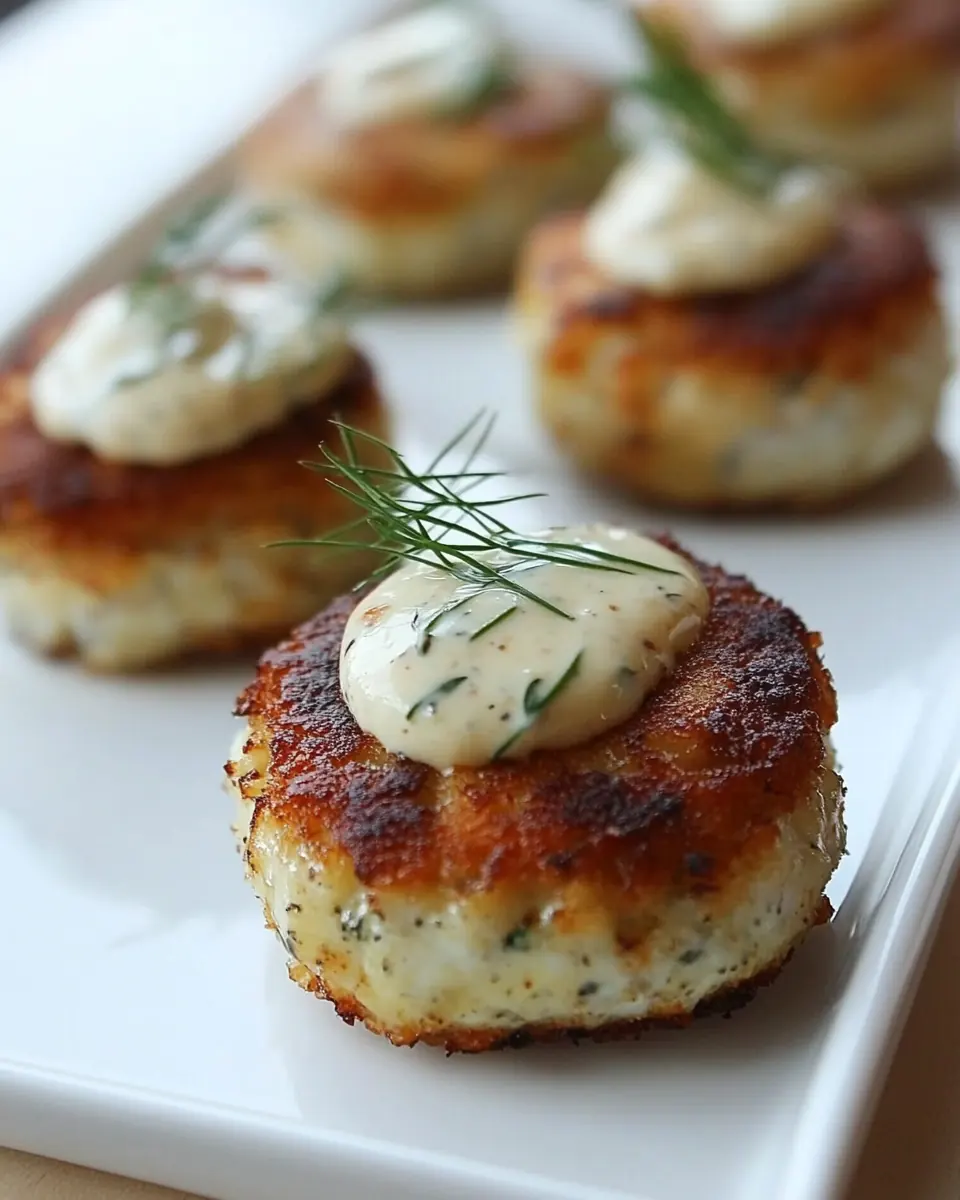
To serve, top each cake with a dollop of corn tartar sauce and a sprinkle of herbs or micro greens for garnish. Enjoy immediately!: Removing that dry skin prevents unpleasant chewy bits in the cakes. As you separate it, you will see the moist, flaky layers beneath, and the color will be more inviting. Leaving the tough skin can create pockets that resist blending, so discard or reserve it for another use. Handling the fish gently here retains those moist flakes that are essential for a tender interior.
You don’t have to be super anal about this just remember that you want the texture of your fish cakes to be pretty smooth: Striving for a mostly even texture ensures every bite has a balance of fish and mash, so the cakes hold together and eat comfortably. You will find that overly large chunks create weak spots that can break while frying, while over shredding removes pleasant mouthfeel. If the mix looks too coarse, fold it a few more times with your spatula to distribute the flakes more evenly without pulverizing them.
Also watch out for pin bones as your sift through and remove those another reason fingers are your best implement: Feeling along the flakes with your fingertips is surprisingly effective at discovering pin bones that knives miss. Removing them keeps every bite smooth and safe, which is especially important when serving to kids or guests. A typical error is trusting sight alone; always run a finger along the flaked fish to detect hidden bones before mixing.
Add the mustard mayo and salt to the potato mixture and stir until smooth: When the tang of Dijon mustard and the creaminess of mayonnaise blend into the cooled mash, they create an aromatic, slightly glossy base that coats the flakes. Stirring thoroughly helps the seasonings disperse so there are no strong pockets of flavor. Over mixing at this point is less risky than under seasoning, but be mindful not to make the mash overly loose. Taste and adjust the salt carefully since the smoked fish can already be salty.
Fold in the fish flakes egg and chives until well distributed and everything is clinging together nicely: Folding preserves the flake integrity while ensuring even distribution of the egg and chives . You will see strands of green and flecks of smoke dispersed through the pale mash, and the mixture should hold loosely together when pinched. If the batter looks too wet, add a small spoonful of white rice flour , a common fix that improves binding without affecting flavor. Avoid overpacking the mixture, which makes dense cakes.
If you think the batter is too wet add a tablespoon of flour: Adding white rice flour in small increments controls the moisture and helps the patties form without becoming gummy. You will notice the mixture firm up slightly and become more manageable for shaping. A frequent slip is dumping too much flour at once, which can dry the mix and produce mealy cakes. Add sparingly and give the mixture a moment to absorb before deciding if more is needed.
Scoop a tablespoon of the potato mixture and roll it between your palms to form a ball: Rolling warms the mixture slightly and creates surface tension that helps the cakes hold shape. The tactile feedback tells you if the mix is too loose or just right. Avoid pressing too hard or you will compress the interior and lose lightness. If the balls crumble, chill them briefly and try again to get a smooth, cohesive form.
Pat each ball into a flat patty about 1/2 inch thick: Flattening to an even thickness ensures consistent frying and a uniform golden crust. The thin profile helps the center heat through without overcooking the exterior. A common mistake is making patties uneven, which leads to burnt edges or raw centers. Use a flat bottom or your palm to gently press for the most control.
Cover a dinner plate with the flour: Spreading the white rice flour on a plate creates a shallow bed for dredging, and the cakes will pick up a light, even coating. You will see the surface take on a pale dusting which is ideal for crisping. Dumping flour into a bowl and plunging the patties can create clumpy coverage, so plate dredging is neater and produces a better crust.
Dredge the patties one at a time in the flour until they’re coated all over shaking off any excess: As each patty leaves the flour, you should hear a faint rustle and see a thin, even film that will fry to golden. Shake off excess to avoid an overly thick crust that masks internal texture. A common issue is heavy flouring which can create a pasty exterior, so be sure to tap gently and remove loose flour before frying.
Place the coated cakes on another plate cover with plastic wrap and leave them in the fridge for at least 1 hour and up to 3 days: Chilling is transformative, firming the cakes so they hold together without binders like breadcrumbs. You will notice they become compact and easier to handle, and this rest also deepens the flavors. Skipping this step risks fall apart cakes, especially in a gluten free version, so plan ahead. For longer holds up to 3 days, cover tightly to prevent drying.
This will help the mixture firm up which is a must without any breadcrumbs in the binding: The fridge causes the starches to set and the egg to bind more firmly, which is why these cakes succeed without traditional crumbs. The texture becomes pleasantly cohesive, and the patties will maintain their shape when they hit the hot oil. If you are short on time, a brief chill in the freezer for 20 to 30 minutes can help, but do not freeze solid.
When you’re ready to eat them coat a large heavy skillet with vegetable oil about 1/4 inch up the sides and place over high heat: The oil should shimmer and move fluidly when the pan is hot; that is the reliable sign that the surface will crisp without absorbing excess oil. Using a heavy skillet promotes even heat distribution so the cakes brown uniformly. A too cool pan yields greasy, pale cakes, while an overheated one burns quickly, so aim for an energetic shimmer not wisps of smoke.
To test whether the oil is hot enough fry one of the cakes: When the test cake sizzles audibly on contact and forms a golden rim within moments, the oil is at the right temperature. You will smell a toasty, nutty aroma as the crust forms. If the patty sinks and soaks up oil, the temperature is too low; if it blacks in seconds, it is too high. Adjust heat accordingly and wait for the oil to recover between batches.
Arrange the cakes in an even layer making sure not to crowd the pan and fry until golden brown on both sides about 2 minutes per side: Crowding lowers oil temperature and prevents proper crisping, so give each cake room and work in batches. You will see the edges take on a deep golden color and hear a steady sizzle as moisture escapes. Flip carefully with a spatula to preserve shape. A typical error is constant flipping which disrupts crust formation; let each side develop before turning.
Repeat with the remaining cakes and remove to a paper towel lined plate to drain and cool: As each batch finishes, the paper towel will capture residual oil and the cakes will settle slightly, finishing their internal steam cooking. The sound will soften and the surface remain crisp, signaling readiness. Do not stack hot cakes, as trapped steam can make them soggy; arrange in a single layer to maintain texture.
To serve top each cake with a dollop of corn tartar sauce and a sprinkle of herbs or micro greens for garnish: The bright, tangy tartar sauce contrasts the smoky, savory cake and adds a cooling factor. The garnish brings freshness and a pop of color that makes the plate inviting. Serve immediately so the contrast of hot, crisp cake and cool sauce is at its peak, which is the experience guests will remember.