Line a 9 x 13-inch baking dish with foil, allowing excess to overhang pan edges. Spray foil with nonstick cooking spray.: The moment you lay the foil into the pan you should notice how the foil molds to the corners easily, creating an overhang that will be your handle later when lifting the finished slab out. Press the foil smoothly so there are no large wrinkles that will transfer into your bars. Spray the foil with nonstick cooking spray so the base releases cleanly, otherwise you risk tearing the bars when you lift them. If you skip spraying, the bars may stick to the foil and come apart during removal, so take the extra minute to spray evenly across the bottom and sides.
Cook the brown sugar and corn syrup in a large saucepan over medium-low heat until sugar dissolves and the mixture is boiling, stirring constantly, about 5 minutes. Remove from heat.: At first you will see the brown sugar begin to wet and darken as the corn syrup warms, and a glossy syrup will form. Stir continuously to prevent the mixture from scorching on the bottom, and watch for small bubbles that indicate it has reached a simmer. The aroma will become slightly caramel like and rich, a warm, toasty scent that tells you the sugar is integrating. A common error is raising the heat too high, which can cause the syrup to darken too much and lead to a harder final texture. Gentle, consistent stirring ensures a smooth binding syrup.
Off the heat, add the peanut butter and peanuts, stirring until the peanut butter is incorporated and the mixture is smooth. Add the cornflakes to the pot and stir until coated.: Once the pot is off the heat, the residual warmth will melt the peanut butter into the syrup; you should see it become glossy and homogeneous as you stir. The chopped peanuts will release a warm nutty scent and tiny flecks will distribute throughout the mixture. When you fold in the cornflakes , stir gently but decisively so each flake gets a thin coating without shattering them. You want clumps that hold together but still show individual flakes. If you stir too aggressively the cornflakes will break down and the bars will end up dense rather than crisp.
Working quickly, scrape the mixture into the prepared pan. Using a greased spatula, press the mixture into the bottom and corners of the pan. Let cool completely at room temperature on a wire rack for about 1 hour or in the refrigerator for 30 minutes.: The texture at this stage is warm, slightly tacky, and malleable. As you press with a greased spatula the surface should compact evenly and you will feel slight resistance as the mixture firms. Press firmly to eliminate air pockets, which helps the bars hold together when sliced, but avoid over compressing which can make them too hard. Cooling at room temperature yields a tender chew and the aroma will mellow; chilling speeds setting and gives a firmer bite. A common pitfall is not pressing evenly which results in uneven thickness and slices that crumble on the thinner edges.
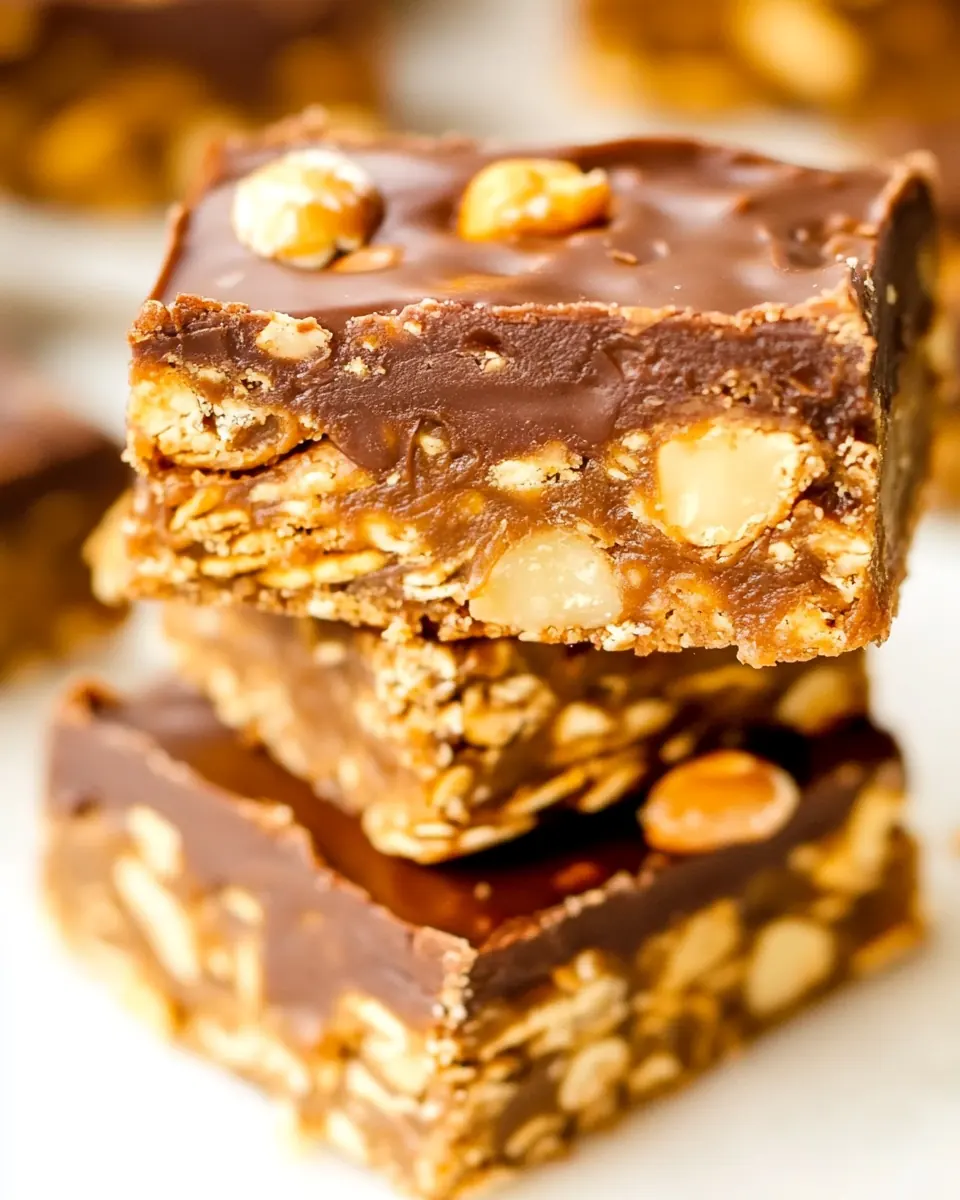
Microwave the chocolate chips in a bowl at 50% power in 30-second increments, stirring after each, until melted and smooth. Pour the chocolate over the cooled bars and spread into an even layer. Allow the chocolate to cool, about 15 minutes (or pop the pan back in the refrigerator to speed up the process, it'll be set in 5-10 minutes). Using the foil overhang, lift the bars from the pan and transfer to a cutting board. Cut into squares.: As the chocolate chips melt you will notice a shiny, velvety texture and a rich cocoa aroma. Stirring between bursts ensures the chocolate heats evenly and prevents scorching, which can make it grainy. Pour it across the surface in a slow stream and use a small offset or spatula to nudge it into a uniform sheet; the contrast between the dark glossy top and the golden base is part of the appeal. If you let the chocolate sit while the base is still warm the chocolate may sink or lose sheen, so cool fully first. When slicing, use a sharp knife warmed under hot water and wiped dry for clean cuts. Cutting too soon can cause the chocolate to smear and the bars to stick to the knife, which is frustrating, so patience pays off here.