Preparation: Preheat the oven to 400°F (200°C). If using small apples, 10-12 are recommended. For large apples, 6 will suffice.: Preheat the oven to 400°F (200°C) : As the oven warms, you will notice the kitchen beginning to carry a faint warmth and anticipation for baking, which helps the crust brown evenly once it goes in. I preheat fully so the initial blast of heat encourages the crust to set quickly, preserving flakiness, and to avoid an underbaked bottom, ensure the oven actually reaches the target temperature before placing the pie inside. A common mistake at this stage is rushing and slipping the pie into an oven that is not hot enough, which can lead to a soggy base rather than a crisp one. If you have a thermometer check it, and if your oven runs cool consider increasing time slightly, watching closely for visual cues such as a golden rim and bubbling filling.
Slice Apples – Slice apples into 1/4 th inch thick. We recommend using an apple slicer to remove core and evenly cut apple. Then, using a sharp knife, remove skin and then slice wedge pieces vertically to the recommended size.: When you slice the granny smith apples to uniform thickness, the texture will bake consistently and the pieces will soften without turning to mush, creating a satisfying bite. You should hear a slight crispness as you cut and see neat, pale wedges that blush slightly where they were exposed to air. Use a sharp knife for clean cuts, and avoid jagged pieces which can cook unevenly leading to some wedges overdone and others underdone. A trap I watch for is overcrowding the cutting board, which causes inconsistent slices, so work in batches if needed and keep a clean surface for safety and precision.
Apple Mixture: In a large bowl, combine sliced apples with lemon juice, sugar, flour, cinnamon, nutmeg, and salt. Toss well to coat the apples evenly.: In a large bowl, combine sliced apples with lemon juice, sugar, flour, cinnamon, nutmeg, and salt : Tossing the apples with the dry ingredients releases juices that soon form a glossy, spiced coating, and the aroma of cinnamon and nutmeg will bloom instantly. I mix thoroughly so the flour is evenly distributed, preventing gummy clumps in the finished filling, and the lemon keeps the apples bright. Be mindful not to overmix or bruise the slices, which can accelerate breakdown and result in a too-soft filling. If your mixture seems dry add a tiny splash of lemon juice, but resist adding extra sugar which can make the filling syrupy after baking.
Pie Assembly: Pour the apple mixture into one of the unbaked pie crusts. Dot the apple filling with butter pieces. Cover with the second crust and seal the edges by crimping. Cut a few slits in the top crust to allow steam to escape.: Pour the apple mixture into one of the unbaked pie crusts : As you mound the filling into the bottom crust, the apples should settle into a pleasing dome, and the contrast of pale apple against the pastry is visually satisfying. Dot the surface with the small pieces of butter , which will melt into the crevices and create rich pockets, then cover with the second crust and seal the edges by crimping to trap steam. Make several slits in the top crust so steam can escape, and this helps prevent a soggy top and controls boilover. A common oversight is sealing the edges too loosely, which can cause the pie to flatten during baking, or too tightly, which can lead to bursting seams. Aim for a neat but not suffocating seal.
Egg Wash and Sugar: Brush the top crust with the beaten egg and sprinkle with coarse sanding sugar for a sparkling finish.: Brush the top crust with the beaten egg and sprinkle with coarse sanding sugar for a sparkling finish : The moment you brush the crust you will see it acquire a wet sheen that promises golden color, and the sanding sugar will cling to this surface adding a glittering, crunchy accent after baking. Apply the wash evenly but lightly, avoiding puddles that can weigh down the pastry or drip into the slits, causing uneven browning. One mistake people make is overbrushing which can make the crust greasy rather than crisp, so a thin coat is preferable. If you want extra shine, give it a second light brush just before it goes into the oven.
Baking: Bake for 40-50 minutes, or until the crust is golden brown. If the edges brown too quickly, cover them with foil or use a pie crust protector after 30 minutes of baking.: Bake for 40 to 50 minutes, or until the crust is golden brown : During the bake the kitchen will fill with a warm spice aroma and the filling will begin to bubble through the vents, an excellent sign that the juices have thickened. I start checking at 30 minutes and shield the edges with foil if they brown too quickly to prevent burning while the center finishes. If you see steady bubbling near the slits and a deep golden color on the crust, that tells you the filling has thickened and the pastry is done. Avoid the common pitfall of underbaking by relying on color and bubbling cues instead of time alone, because oven performance varies widely.
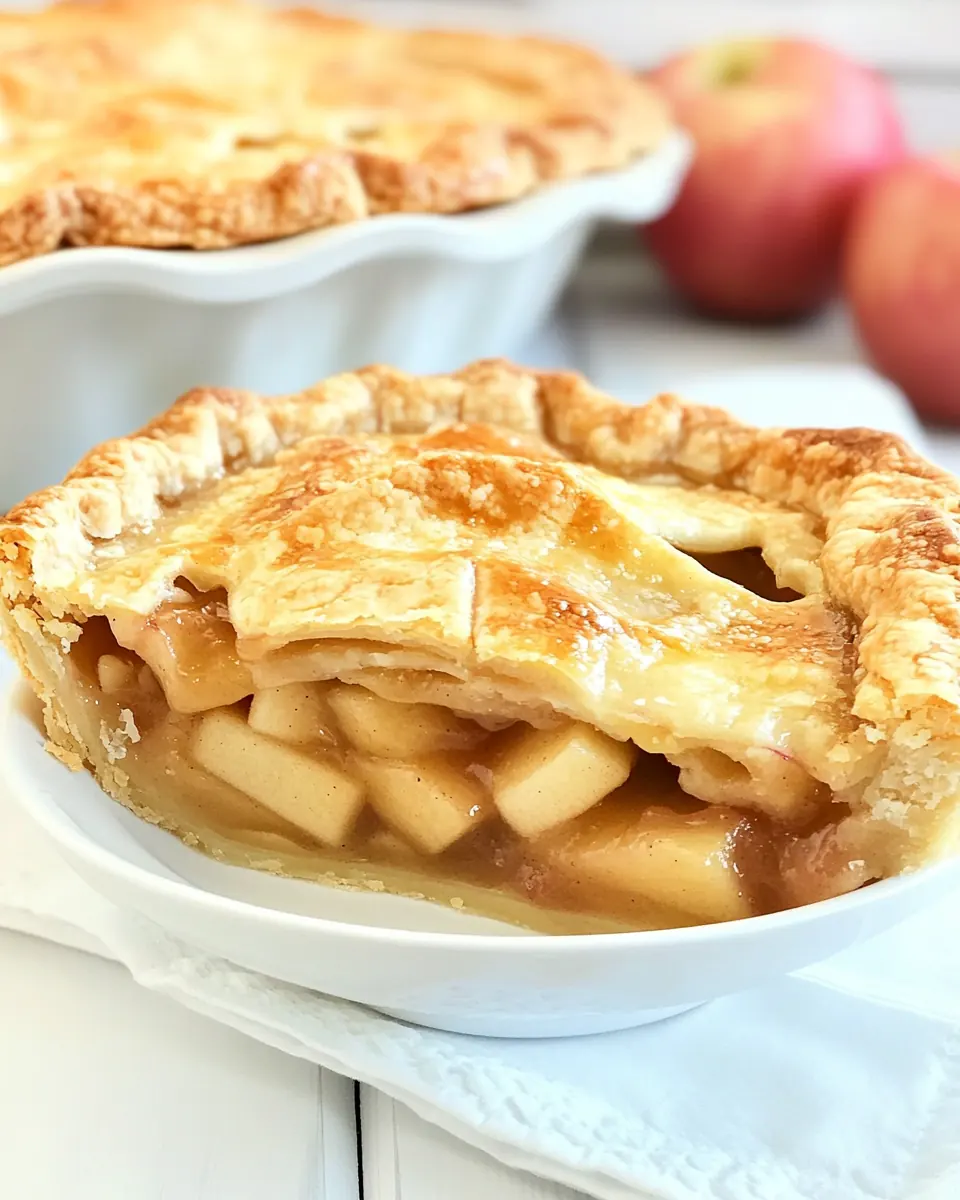
Cooling: Allow the pie to cool before serving to let the filling set. Pie goes great with vanilla ice cream (a la mode) or a drizzle of high quality caramel drizzle.: Allow the pie to cool before serving to let the filling set : The cooling period is when the filling firms up, converting from a looser syrup to a sliceable, spoonable texture, and you will notice the steam settle and the aromas mellow into a cohesive scent. Patience here guarantees neat slices rather than runny portions that collapse on the plate. A typical mistake is slicing too soon while the filling is still very hot, which results in a loss of structure and a messy presentation. Let the pie rest at least an hour if possible, and you can even chill it briefly for cleaner cuts when serving.