In a medium saucepan, bring the water and quinoa to boiling; reduce heat. Simmer, covered, 15 minutes or until the water is absorbed. Spread the quinoa on a large baking sheet to cool.: The moment you smell the gentle toasted aroma of the quinoa and notice the water coming to a steady, lively boil, you know heat is right. Keep an ear out for a soft rolling sound rather than violent bubbling, which can cause grain loss. This step matters because a controlled boil ensures the grains absorb liquid evenly, yielding a tender yet separate texture. If the water is too hot and boils away, you risk undercooking the center of the grains, so lower the heat as soon as it reaches the boil.
Meanwhile, for the dressing, remove 2 teaspoons of zest and squeeze 1/4 cup of juice from the lemon. In a small bowl, whisk together the lemon zest and juice, cheese, oil, salt and oregano until combined.: When you lower the flame, watch for the surface to calm and show just a few gentle bubbles, a visual cue that the simmer is steady. Reducing heat prevents the pot from scorching and allows the quinoa to steam through rather than be agitated. A simmered finish produces a fluffier result, while too vigorous heat can break down the grains, creating a gluey texture to avoid.
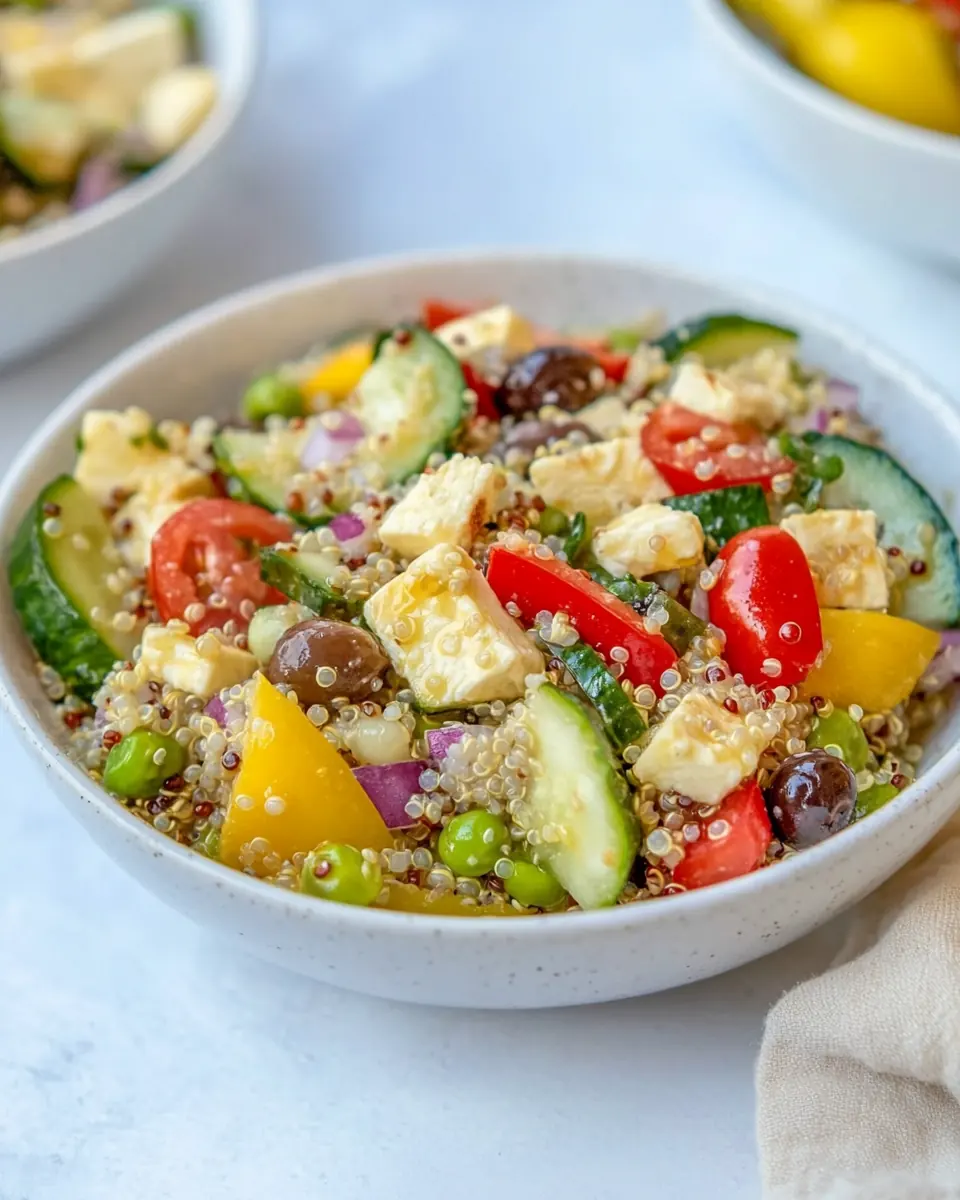
In a large bowl, combine the lettuce, chickpeas, sweet peppers, cucumber, roasted peppers, olives and red onion. Add half the dressing; toss to coat. Return the quinoa to the saucepan and drizzle with the remaining dressing; toss to coat. Combine the quinoa with the romaine mixture and top with crushed pita chips. Drizzle with additional oil, if desired.: As the lid traps steam, you will hear soft sighs from the pot and see condensation bead on the lid, signals that the quinoa is cooking through. This gentle steam cooks the inner portion evenly, and timing is critical because overcooking turns the grains mushy. Avoid lifting the lid frequently, which lets steam escape; instead, rely on the 15 minute guideline and check visually at the end for tender, translucent grains with tiny spirals.
Spread the quinoa on a large baking sheet to cool: After cooking, transfer the quinoa onto a rimmed sheet to encourage rapid cooling and separation, which prevents clumping. As it cools, you will notice steam rising and the quinoa changing from glossy to a fluffier matte texture, an important visual cue. Cooling on a sheet also stops residual cooking; if left piled in the pot, trapped heat can make it gummy, so spread it thin for even air exposure.
Meanwhile, for the dressing, remove 2 teaspoons of zest and squeeze 1/4 cup of juice from the lemon: Freshly grated lemon zest releases fragrant citrus oils you can smell immediately, and pressing for juice yields bright acidity you can taste. This step infuses the dressing with aroma and bite, balancing the oil and salty notes. A common pitfall is using pre zested or bottled lemon, which lacks the aromatic oils, so always zest before juicing to maximize fragrance.
In a small bowl, whisk together the lemon zest and juice, cheese, oil, salt and oregano until combined: As you whisk, the vinaigrette will take on a glossy sheen and the feta cheese will start to distribute as tiny creamy pockets. The vigorous motion helps emulsify the extra virgin olive oil into the acid, making the dressing cling to leaves and grains. If you under whisk, the oil can separate, leaving an uneven coating on the salad, so whisk until it looks cohesive.
In a large bowl, combine the lettuce, chickpeas, sweet peppers, cucumber, roasted peppers, olives and red onion: Tossing these components together allows contrasting textures to meet. As you mix, listen for the crisp snap of the romaine lettuce and notice the glossy sheen on the sliced peppers and cucumber . Combining them first helps distribute flavors evenly before adding the more delicate elements. A frequent error is over tossing, which bruises the lettuce, so fold gently to preserve crispness.
Add half the dressing; toss to coat: When half the vinaigrette goes in, pay attention to how the leaves and vegetables glisten, indicating even coverage. This measured approach prevents overdressing, keeping the salad bright and not oily. If you add all the dressing at once, the salad can become soggy, so start with half and assess moisture levels before adding more.
Return the quinoa to the saucepan and drizzle with the remaining dressing; toss to coat: With the quinoa slightly warm, the remaining dressing will be absorbed more readily, carrying flavor into the grain. As you toss, feel for separated grains and notice how they pick up a subtle sheen from the vinaigrette. This step matters because warm quinoa holds flavor better; tossing too vigorously can mash grains, so use a gentle folding motion to keep them intact.
Combine the quinoa with the romaine mixture and top with crushed pita chips: When you fold the dressed quinoa into the vegetable mix, look for a balanced distribution of colors and textures, and the aroma should brighten as everything mingles. Adding the pita chips at the end preserves their crunch, giving each forkful a satisfying contrast. If you add the chips too early, they will soften and lose the intended textural punctuation, so reserve them for the final toss or scatter them on top when serving.
Drizzle with additional oil, if desired: A final ribbon of extra virgin olive oil can add shine and a fruity finish; drizzle slowly and observe the added gloss. This finishing touch amplifies mouthfeel and aroma, but use it sparingly to avoid making the salad heavy. Over drizzling can mute the lemon brightness, so taste before adding more.