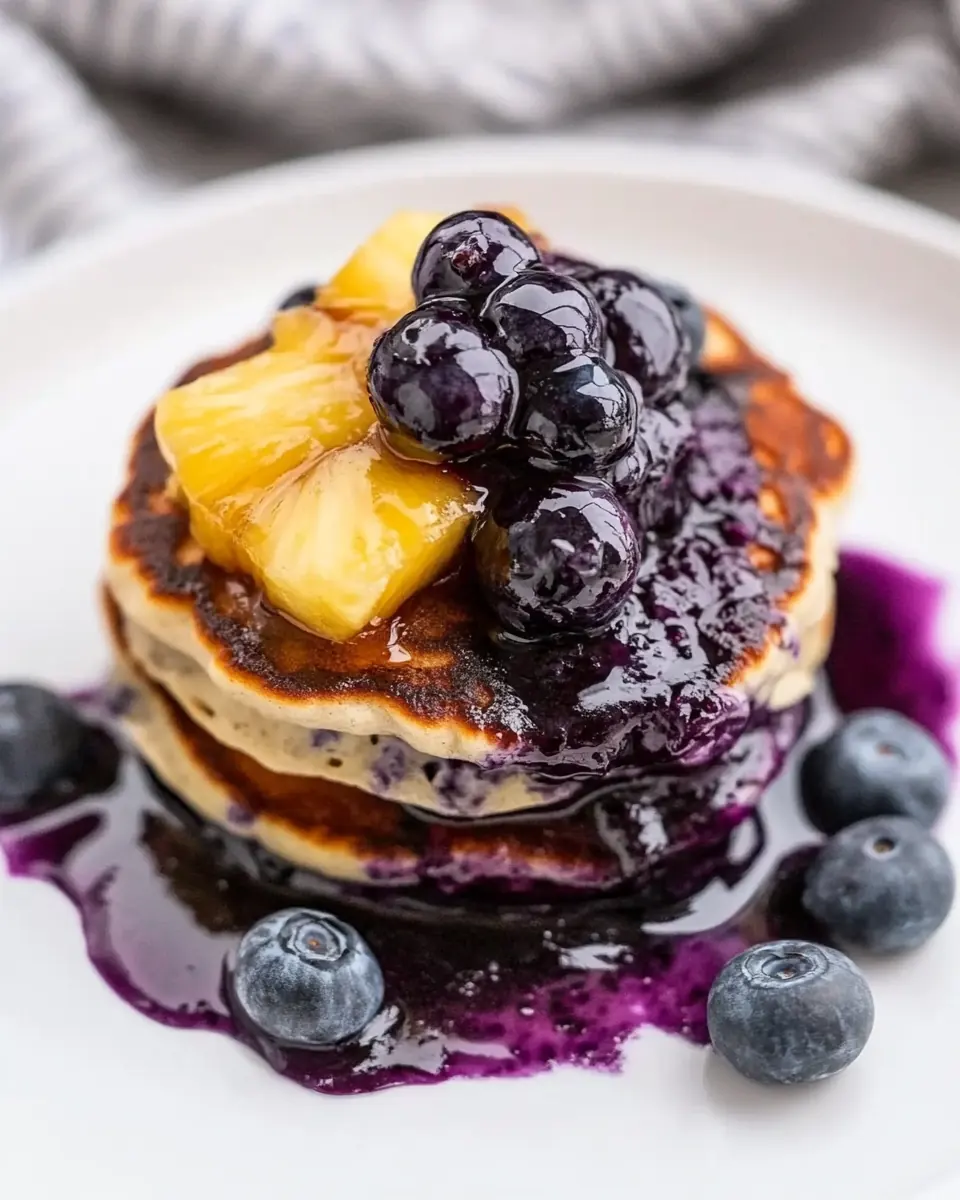
Make the pancakes: In a medium bowl, mix together the dry ingredients. Add the rest of the ingredients and mix well.: In a medium bowl, mix together the dry ingredients : The moment you combine the oat flour , baking powder , baking soda , and protein powder , you catch the scent of toasted grain and the faint chemical tang of leavening. Work quickly but gently, using a whisk to aerate the dry mix which helps the batter lift later. This step matters because evenly distributed leavening ensures consistent rise; if you skip thorough mixing, some pancakes may puff while others stay flat. Common mistake to avoid here is overworking wet and dry components together later, which can tighten the gluten like structures in the oats and yield a tougher pancake.
Cook the pancakes: Preheat skillet or griddle on medium heat. Spray with cooking spray and pour the batter depending on a desired size of a pancake (2-3 tbsp for a medium or 1/4 cup for larger ones). Cook for a couple minutes until you see the edges turning brown and bubbles start to form on the top. Flip with a spatula and cook until browned on the other side.: Right after the dry blend is uniform, fold in the stevia or sweetener , low calorie yogurt , and egg whites . When you combine them you will notice the batter becoming thick and slightly glossy, with tiny streams of yogurt visible before fully incorporated. Stir gently until streaks disappear, taking care to keep some air in the mix which contributes to tenderness. The why is simple, this gentle mixing preserves lift and avoids a gummy texture. A frequent misstep is adding too much liquid at once which thins the batter and causes pancakes to spread excessively on the griddle.
Make the syrup: Combine blueberries, pineapple juice and syrup in a small saucepan. Bring to a boil; reduce heat to low and simmer, stirring occasionally, until sauce has thickened, about 5 minutes. Serve warm over pancakes!: As the pan warms you can smell a faint metallic warmth from the metal, and after a minute a water droplet will sizzle then dance if the surface is hot enough. Preheating ensures pancakes begin to set and brown immediately on contact, forming that golden crust we want. If the skillet is too cool the pancakes will absorb oil and stay pale and dense; if too hot they will char on the outside while remaining raw inside. Test by making a small test pancake first, then adjust the heat.
Spray with cooking spray and pour the batter depending on a desired size of a pancake (2 to 3 tbsp for a medium or 1/4 cup for larger ones): When the batter hits the griddle you should hear a soft hiss, and the batter will spread slightly then hold its shape. Smaller pancakes cook more evenly and are easier to flip, while larger ones need slightly lower heat and more patience. Pour consistently to make uniform stacks. A common mistake is crowding the pan, which lowers the surface temperature and causes uneven browning.
Cook for a couple minutes until you see the edges turning brown and bubbles start to form on the top: Watch the batter surface closely, you want steady bubble formation that pop and leave little craters, and the edges will begin to look set and slightly browned. This visual cue tells you the interior is setting and it is time to flip. The aroma will shift from raw oats to a warm, toasty note. If you flip too early, pancakes can collapse and be undercooked in the center; if you flip too late, they may get overly browned and dry.
Flip with a spatula and cook until browned on the other side: After flipping, listen for a softer sizzle as the second side finishes. The cook time is shorter on this side, and you will see an even golden brown. Press gently in the center to check for spring back; a firm but springy feel indicates done. The why is that a complete cook through ensures the texture is set without drying. A common error is flipping multiple times which deflates the pancake and makes it dense.
Make the syrup: Combine blueberries, pineapple juice and syrup in a small saucepan : Once you add the blueberries and pineapple juice to the pan, the colors release quickly and a fruity perfume starts to rise. Using a small saucepan concentrates the heat and helps the fruit break down evenly. Picking the right level of sweetener matters because the fruit syrup will glaze the pancakes, so taste as you go. Avoid boiling too aggressively which can cause the fruit to scorch on the bottom.
Bring to a boil; reduce heat to low and simmer, stirring occasionally, until sauce has thickened, about 5 minutes: The transition from boil to gentle simmer is where the syrup transforms, with bubbling that softens the fruit and releases pectin like compounds. As it reduces the mixture will thicken and develop a glossy sheen. Stirring keeps it from sticking and helps evaporate excess liquid evenly. Over simmering can make the syrup too runny to cling or conversely, if reduced too long, overly thick and jam like.
Serve warm over pancakes: Serving the syrup warm causes it to gently soak the pancake surface, creating pockets of concentrated fruit flavor. The contrast between the slightly tangy Greek yogurt pancakes and the vibrant syrup is what makes each bite lively. If you cool the syrup completely first it will set and not meld as nicely with the pancakes. A practical mistake to avoid is making the syrup too far ahead without reheating, because it loses that luxurious, pourable texture.