Cut out the stem area of each tomato and then dice tomatoes them into very small pieces. (No need to peel them.): When you begin, you will notice the firm, slightly tart scent of the green tomato as you cut away the stem. Use a sharp knife so each piece is cleanly severed, which helps keep juices from crushing the flesh and turning the salsa mushy. Tiny, even dice is important so the tomatoes distribute evenly rather than settling in clumps, giving you consistent texture in every bite. The reason this matters is because the little cubes will release just enough liquid to mingle with the other ingredients without creating a watery mixture. A common mistake is using a dull knife which bruises the tomato and releases excess moisture, so keep your blade sharp and steady.
Put diced tomatoes into a colander placed in the sink to drain (if needed.): After dicing, the tomatoes may release liquid that can dilute the salsa’s intensity. Placing them in a colander allows excess juice to escape while maintaining the tomato solids. You will hear a faint drip and feel the difference when you scoop the tomato back into your bowl, it will be firmer and less watery. This step preserves texture and concentration of flavor, ensuring the salsa stays bright and chunky. Avoid leaving them to drain too long, or they may lose too much of their fresh acidity.
Finely chop fresh cilantro to make about 1 cup. (You can use sliced green onion or just omit cilantro if you're not a fan.): Chopping the cilantro releases its aromatic oils, creating a heady, herbaceous perfume that lifts the whole dish. Aim for a fine chop so the herb blends instead of forming leafy bits. As you chop, you will see the stems and leaves break down, releasing their green fragrance. The why here is that uniformly sized cilantro distributes flavor evenly, preventing pockets of herb that overpower a bite. A frequent error is using too large pieces, which can make the cilantro feel coarse.
Dice sweet onion into very small pieces.: Finely diced onion lends a clean crunch and subtle sweetness. Small pieces integrate smoothly, adding bite without dominating. You will notice the sharp onion aroma as you chop, and that scent calms once mixed with lime and salt. This technique matters because coarse onion can overwhelm the delicate interplay between tomato and avocado. If the onion tastes too strong, rinse briefly under cold water to mellow it before adding.
Finely mince the two fresh garlic cloves.: Minced garlic releases savory compounds that deepen flavor, but it should be very fine to avoid raw garlic pockets. Mincing also helps the garlic dissolve into the salsa rather than stand out as large pieces. The aroma will be pungent at first and then integrate with the lime and cilantro. The purpose here is to build complexity without harshness. A common slip is tossing in large garlic chunks which create sharp, lingering bites.
Open can of diced green chiles. We didn't drain the liquid but you could if you prefer.: Opening the can releases a mild, smoky scent that complements the other ingredients. Whether you drain the liquid is a texture choice, as leaving it adds a little extra moisture and tang. Mixing some of the can liquid into the salsa can amplify flavor, but if the tomatoes were very juicy you may prefer to drain. The chiles contribute subtle heat and vegetal notes that make the salsa interesting. Avoid adding an entire can if you want a very dry salsa, as too much liquid will thin the mixture.
Peel avocados, remove seeds, and finely dice avocado. Put avocado in bowl and toss with 1 T fresh lime juice.: The moment you cut into the avocado you will encounter its creamy, buttery aroma and soft texture. Dice it finely so it melds into the salsa rather than turning the whole bowl into a puree. Tossing the pieces with lime juice immediately slows browning and injects brightness. The acidity also helps the avocado sit harmoniously with the tart tomatoes. A common mistake is adding avocado too early, which leads to discoloration; treat the avocado gently and only mix when ready.
Mix drained diced green tomatoes into the avocado.: As you combine the tomatoes with the avocado, you will sense the contrast between firm, slightly crunchy tomato and the soft, yielding avocado. Gently fold them together so the textures remain distinct, and the avocado coats the tomato pieces just enough to create creamy pockets. This technique keeps the salsa visually appealing and texturally engaging. If you stir too vigorously, the avocado will break down and the salsa will become overly smooth, losing that refreshing contrast.
Then add diced onion, diced green chiles, minced garlic, chopped cilantro, salt, olive oil, and the rest of the fresh-squeezed lime juice.: Adding these components at once allows their flavors to marry. You will notice the citrus brightening the bowl, the olive oil adding a soft sheen, and the cilantro releasing green aromatics. Salt is the final calibrator that makes each ingredient pop, so add it gradually and taste. The olive oil helps the salsa feel rounded and silky. One troubleshooting tip is to always taste before serving and tweak lime or salt to suit the tomatoes' acidity; different tomatoes will need different adjustments.
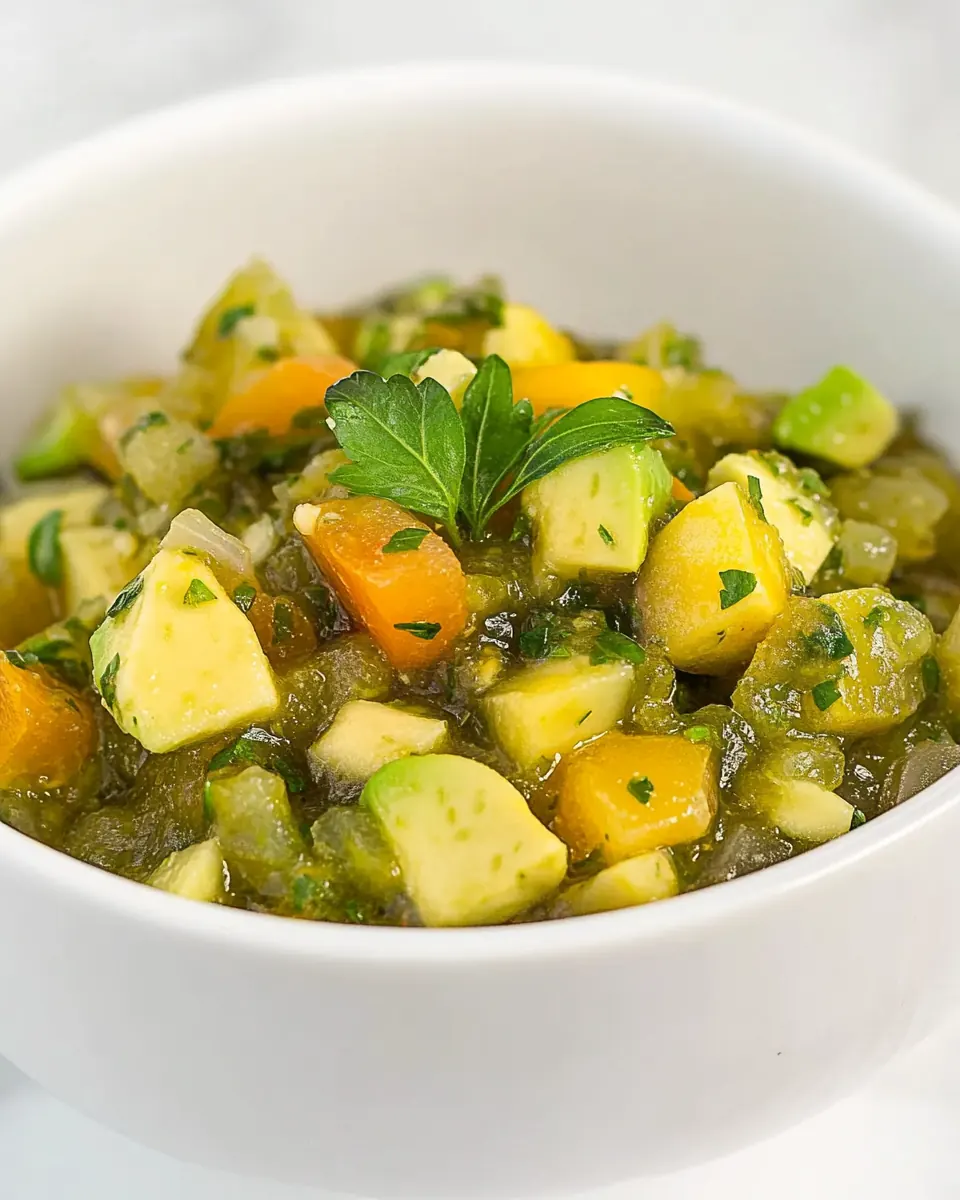
Stir gently to combine and enjoy!: The final stir should be soft and confident so you preserve the distinct textures. You will see a glossy mixture with pops of green and flecks of herb, and it will smell vibrant with lime and cilantro. Serving immediately preserves the avocado’s freshest color and texture. If storing, be mindful that the avocado will darken over time; the recipe notes explain how to manage that by adding avocado only to portions you plan to eat right away.
This will stay good for a few days in the fridge, but if you know you won't be eating it all I would only add avocado to the amount you will eat and then add freshly-diced avocado to the rest when you eat it.: When refrigerated, the salsa’s flavors will meld and mellow, and the tomatoes will soften slightly. The avocado is the limiting factor for storage because it oxidizes, so reserving avocado for immediate portions helps maintain color and texture. If you refrigerate, use an airtight container to slow drying and flavor loss. A common mistake is assuming the mixed salsa will look identical after a day; it will taste fine but the avocado may brown, which is only cosmetic.