Preheat oven to 350°F. Spray a 9×13-inch baking dish with nonstick spray. Set aside.: When you turn the oven on you should hear it kick and feel the kitchen start to warm, that hum means the bake will be even. Preheating ensures the casserole begins cooking immediately and the cheese melts uniformly. A common mistake is to put the dish into a cold oven, which lengthens total bake time and can lead to uneven bubbling. Also spray a 9×13 inch baking dish with nonstick spray and set it aside so it is ready; this prevents sticking and makes cleanup easier.
In a large skillet set over medium-high heat, brown the ground beef until it is no longer pink. Use a slotted spoon to transfer the cooked beef to a paper towel-lined bowl.: Listen for a steady sizzle as the ground beef hits the hot skillet, and watch the meat lose its pink color as it develops brown, caramelized bits that are full of flavor. Use a slotted spoon to transfer the cooked beef to a paper towel lined bowl so excess fat drains away, keeping the final casserole from becoming greasy. The why here is that browning creates complex Maillard flavors that a simple simmer will not. A troubleshooting tip is to avoid overcrowding the pan, since crowding steams the meat instead of browning it.
Add the onion and bell pepper to the skillet and sauté in the leftover fat for 2-3 minutes. Add the garlic and cook for 30 seconds.: As the onion and bell pepper hit the skillet, you will hear a softer sizzle and smell the aroma shift toward sweet and savory notes. Sauté for 2 to 3 minutes until the onion is translucent and the pepper has softened slightly, which ensures they blend seamlessly into the sauce. Add the minced garlic and cook for about 30 seconds until fragrant, that quick burst of aroma signals it has released its essential oils. Burnt garlic turns bitter, so reduce heat if you see dark flecks.
Return the beef to the skillet. Stir in the drained tomatoes, tomato paste, salt, Italian seasoning, pepper, and Worcestershire sauce. Bring the mixture to a boil, reduce the heat, and simmer for 5 minutes. Remove from the heat and set aside.: Returning the browned ground beef to the skillet brings back those caramelized bits, and stirring in the drained diced tomatoes , tomato paste , kosher salt , Italian seasoning , black pepper , and Worcestershire sauce creates a savory, balanced sauce. Bring the mixture to a boil so flavors marry, then reduce the heat and simmer for about 5 minutes to concentrate the sauce and meld seasonings. This simmer is important for depth; skipping it can leave a flat, unintegrated sauce. Watch for splatter and reduce heat if the sauce is spitting aggressively.
Meanwhile, boil the noodles according to package instructions, drain, and transfer to a large bowl.: While the sauce simmers, boil the shell pasta according to package instructions until al dente, which means it still has a slight bite. Drain the pasta and transfer it to a large bowl; the shells will hold pockets of sauce and creamy mix. Al dente pasta prevents a mushy casserole because it finishes cooking in the oven. A common error is overcooking the noodles, which leads to a gluey texture once baked.
Add the softened cream cheese, sour cream, and melted butter to the pasta. Mix well until the pasta is coated.: Add the softened cream cheese cubes, sour cream , and melted butter to the hot pasta; the residual warmth will help the cream cheese soften and incorporate. Stir until the pasta is evenly coated and the mixture feels silky and cohesive. The creamy coating creates contrast with the meat layer and prevents dryness in the bake. If the cream cheese is too cold it will clump, so ensure it is at room temperature before mixing.
Spread half of the creamy pasta in the bottom of the prepared baking dish. Top with half of the meat mixture. Repeat the layers with the remaining ingredients and top with the shredded cheeses.: Spread half of the creamy pasta into the bottom of the prepared 9×13 inch dish so you have a smooth, even base. Top with half of the meat mixture, then repeat the layers with the remaining pasta and meat, finishing by sprinkling the shredded cheddar cheese and mozzarella cheese evenly over the top. Layering allows each scoop to include both sauce and meat in balanced proportions. Rushing assembly can create uneven pockets, so take a few moments to smooth each layer for consistent baking.
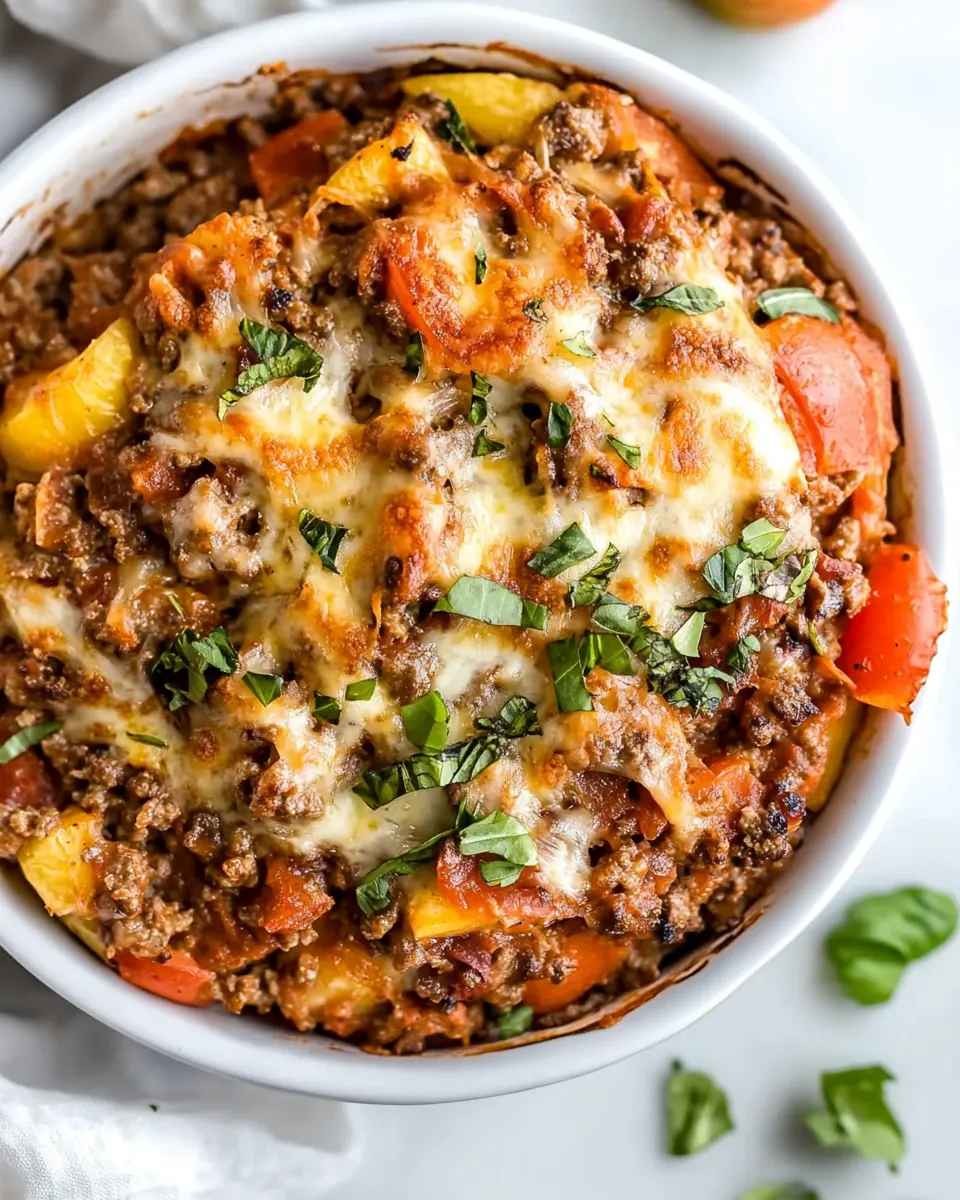
Bake, uncovered, for 25-30 minutes, or until heated through. Broil the cheese for 1-2 minutes if desired. Garnish with fresh parsley and let rest for 10 minutes before serving.: Slide the casserole into the preheated oven and bake until it is heated through and you see gentle bubbling at the edges, which signals the interior is hot. If desired, broil the cheese for 1 to 2 minutes to create a golden, slightly crisp top, watching closely to avoid burning. Let the casserole rest for 10 minutes before serving so it sets and is easier to slice; cutting too soon causes the layers to slump. A common mistake is leaving it under tented foil, which traps steam and prevents browning.