Go Back
Healthy Oatmeal Cookies

Healthy Oatmeal Cookies

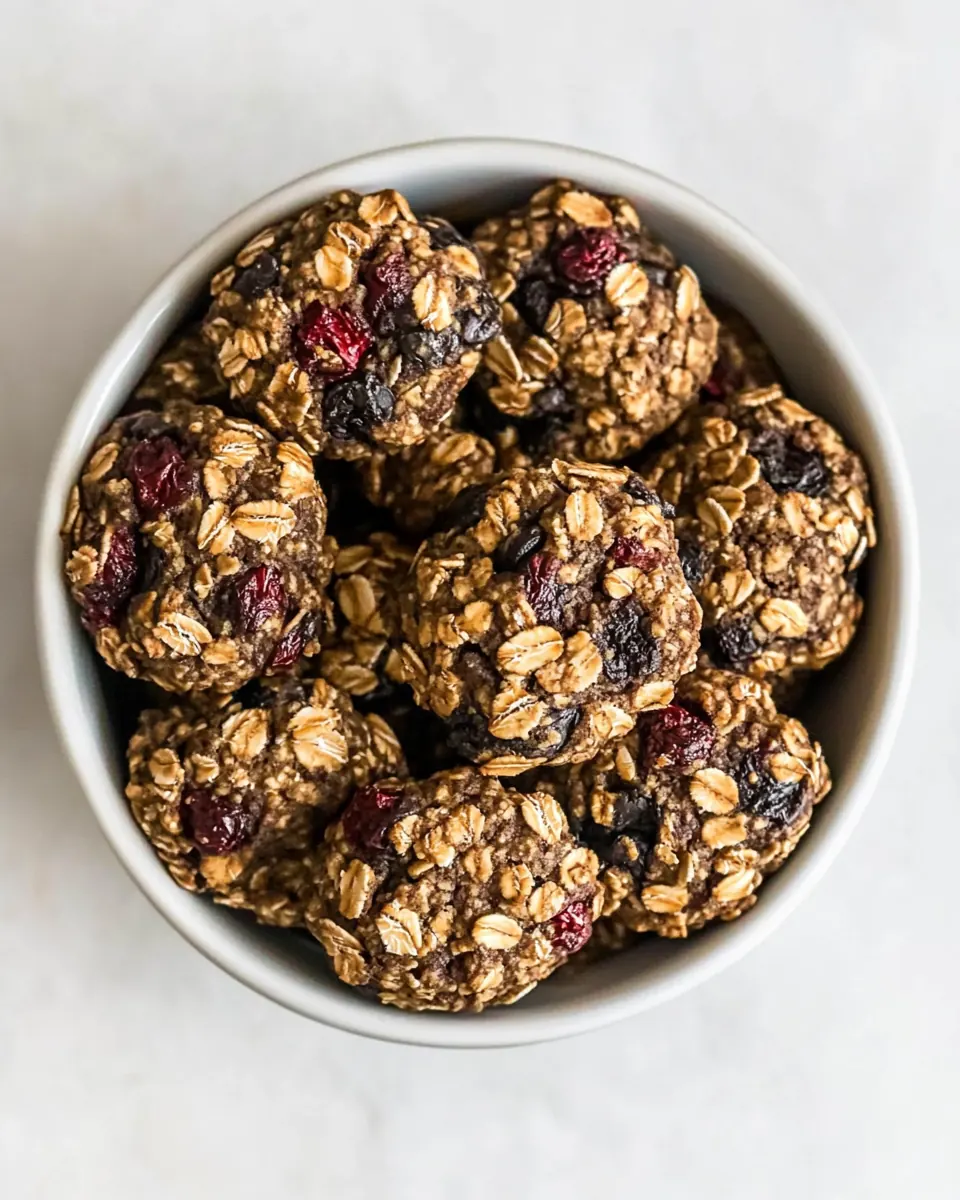
Healthy Oatmeal Cookies are chewy, slightly crisp treats made with wholesome oats, natural sweetener, and a hint of cinnamon. These easy cookies are a quick batch to bake for school snacks or an easy weeknight dessert, offering a balanced, flavorful bite that still feels nourishing, making them a recipe worth trying for simpler, healthier baking.
Prep Time 5 minutes
Cook Time 10 minutes
Total Time 15 minutes
Servings: 16 servings
Course: Desserts
Cuisine: American
Calories: 150

Ingredients
  

  • 1/3 cup honey or maple syrup, can use 1/2 cup for sweeter cookies Provide sweetness and moisture to the dough while also helping to bind ingredients; honey or maple syrup contribute a natural, complex flavor and can be increased to 1/2 cup for sweeter cookies without altering dry measurements significantly.
  • 1/4 cup coconut oil or unsalted butter, (melted) Add richness and a tender texture when melted, with coconut oil giving a subtle coconut note and butter offering a creamier flavor; melting ensures even distribution and proper mixing with wet ingredients.
  • 1 large egg Bind the mixture together, add structure and moisture, and help with leavening and browning through its proteins and fats; using a large egg keeps cookie texture balanced and cohesive.
  • 1 tsp vanilla extract Enhance overall flavor by adding a warm, aromatic background note that complements oats and cinnamon; vanilla extract rounds out sweetness and deepens the cookie’s taste profile.
  • 1 cup instant oats Provide bulk, chewiness, and whole-grain texture while absorbing moisture; instant oats blend easily into the dough and give the cookies a hearty mouthfeel and quicker hydration than old-fashioned oats.
  • 1/2 cup whole wheat flour, (or all-purpose flour) Contribute structure, body, and mild nuttiness to the cookies while absorbing liquids; whole wheat flour adds fiber and a denser texture, while all-purpose can be used for a lighter crumb.
  • 1 tsp baking powder Help the cookies rise slightly and create a lighter texture by releasing carbon dioxide when heated; baking powder also balances density from whole wheat flour and oats.
  • 1 tsp cinnamon Add warm, aromatic spice that complements sweetness and oats while enhancing perceived sweetness without extra sugar; cinnamon also provides a fragrant complexity to the cookie flavor.
  • 1/4 tsp salt Enhance overall flavor balance by accentuating sweetness and suppressing bitterness while aiding in dough cohesion; a small pinch of salt brightens other flavors and improves overall taste.
  • 1/4 cup chocolate chips, (optional) Contribute bursts of chocolatey sweetness and melty pockets when baked, acting as an optional indulgent add-in; chocolate chips provide contrast to the chewy oat texture and can be omitted for a simpler cookie.
  • 1/4 cup raisins Provide concentrated chewiness and natural sweetness while adding texture contrast; raisins contribute chew and fruity flavor that pairs well with cinnamon and oats.

Equipment

  • cookie scoop
  • Mixing Bowls
  • Baking Powder

Method
 

  1. Preheat oven to 350 F. Line a baking sheet with parchment paper, foil or silicone baking mat and set aside.: Warmth fills the kitchen as the oven comes to temperature, carrying a faint electric hum that signals the start of baking. You should smell a neutral, slightly warm air as the elements heat up. Preheating ensures the cookies begin baking immediately on contact with the hot pan, which helps set edges and develop color. A common error is placing dough in a cold oven, which yields greasy, spread out cookies. Make sure your oven reads close to 350 F with an oven thermometer if you suspect calibration issues.
  2. In a large bowl, whisk the honey, coconut oil, egg, and vanilla. In a medium bowl whisk, all the dry ingredients then stir them into the wet mixture.: The sheet will feel cool and flat under your hands, and the barrier you choose will prevent sticking and promote even browning. Parchment paper offers easy release and helps the underside brown evenly, while a silicone mat gives a gentler bake. Avoid greasing the sheet when using parchment, as excess oil can make cookies spread too much. A common mistake is crowding the pan, which reduces air flow and leads to inconsistent baking.
  3. Drop cookie dough onto the prepared baking sheet using a medium-large cookie scoop and flatten to about 3/4'' thickness. Bake 10 minutes then allow in the pan for at least 5-10 minutes and enjoy!: When you whisk these together you will notice a glossy, slightly viscous mixture that smells sweet and aromatic from the vanilla . The coconut oil should be warm enough to be liquid but not hot, so the egg does not scramble. Whisking combines air and creates an emulsion, which aids texture. If the mixture seems curdled, let it rest a minute at room temperature and whisk again to bring it together; over mixing can cause a thinner cookie.
  4. In a medium bowl whisk, all the dry ingredients then stir them into the wet mixture: The dry mix will smell of toasted oats and cinnamon when combined. Whisking the dry ingredients helps distribute the baking powder and cinnamon evenly so every bite is consistent. When you fold the dry into the wet, the dough should come together into a slightly sticky, cohesive mass. A common pitfall is overworking the dough, which makes cookies tough, so mix only until the last streaks disappear.
  5. Drop cookie dough onto the prepared baking sheet using a medium-large cookie scoop and flatten to about 3/4'' thickness: As you portion the dough, you will feel its soft, slightly tacky texture. Flattening the dough ensures even baking and helps develop crisp edges while keeping the center chewy. If the dough sticks to the scoop, lightly oil the scoop or wet your fingers. Placing cookies too close will make them spread together, so leave space between scoops.
  6. Bake 10 minutes then allow in the pan for at least 5-10 minutes and enjoy: During baking you will notice the kitchen filling with the warm scent of cinnamon and toasted oats, and the edges turning a gentle golden brown. The cookies firm up as proteins set and sugars caramelize, so the brief rest on the pan lets carryover heat finish the interior without overbaking. A common mistake is removing them immediately, which can cause them to fall apart; allow the cookies to cool slightly on the hot pan before transferring to a rack.
Notes

  • Measure accurately by spooning dry ingredients into the measuring cup and leveling the top, this prevents dense or crumbly cookies and helps preserve the intended texture.
  • Mind the fat temperature melt the coconut oil and let it cool slightly before adding to the egg, hot oil can scramble the egg and create an uneven batter.
  • Customize sweetener level start with 1/3 cup of honey or maple syrup and increase to 1/2 cup for a sweeter cookie, keep in mind more liquid will brown faster.
  • Don’t overmix once the dry ingredients meet the wet, fold gently until incorporated to keep the crumb tender and avoid toughness.
  • Space cookies properly leave at least 2 to 3 inches between scoops so they bake evenly and do not merge on the sheet.
  • Use fresh leavening replace baking powder if it has been open for more than six months to ensure proper lift and texture.