Go Back
Homemade Basil Pesto

Homemade Basil Pesto

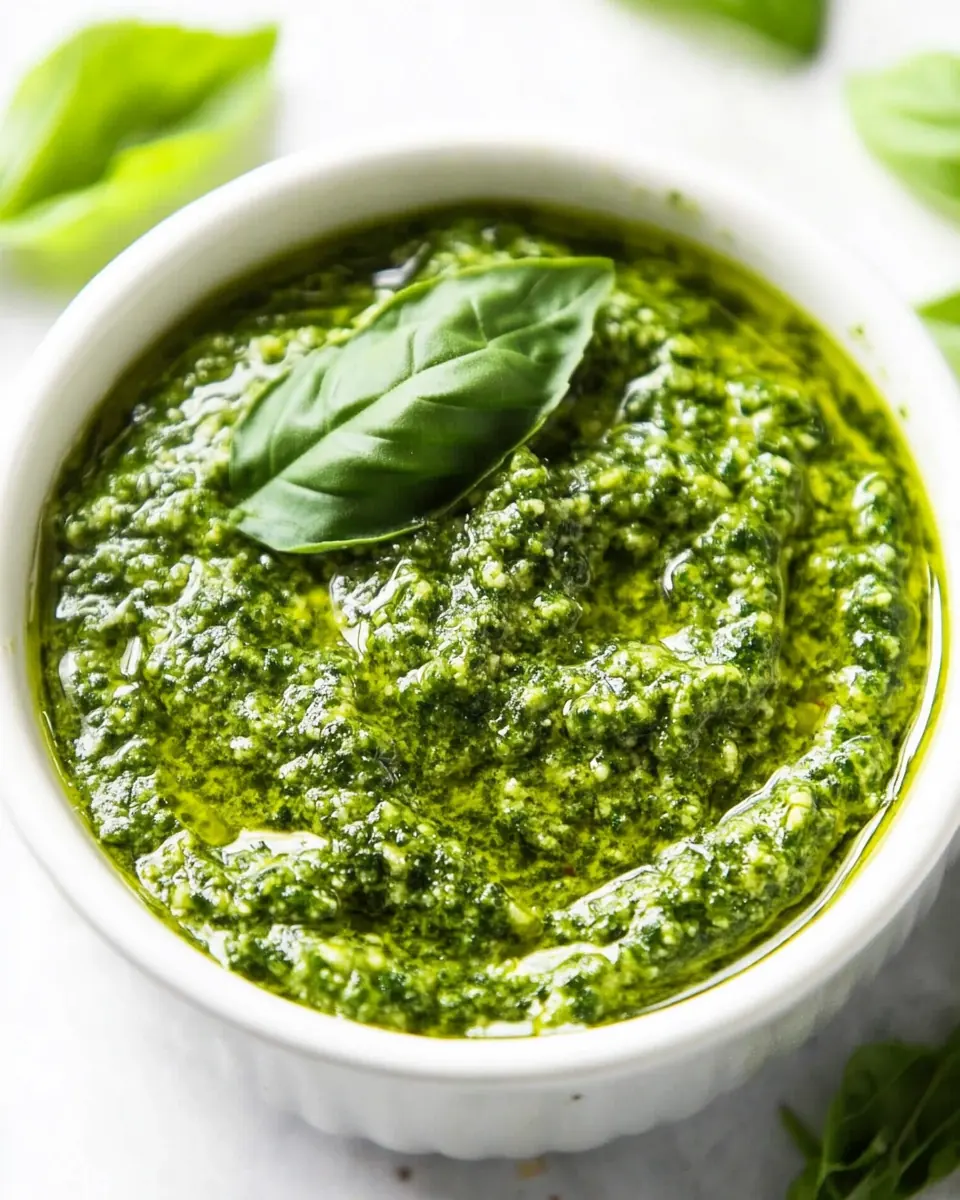
Homemade Basil Pesto is a creamy, herbaceous sauce bursting with fresh basil, toasty pine nuts, and savory parmesan. This easy, quick recipe makes a vibrant condiment perfect for pasta, sandwiches, or roasted vegetables, ideal for an easy weeknight dinner or a summer gathering. Make a double batch to freeze for later, it’s worth the extra effort for that bright, homemade flavor.
Prep Time 15 minutes
Cook Time 1 minute
Total Time 16 minutes
Servings: 8 servings
Course: Appetizers
Cuisine: Italian
Calories: 120

Ingredients
  

  • 2 cups fresh basil leaves just the leaves, no stems Provide bright, aromatic flavor and a fresh herbal backbone to the pesto; bruise the leaves gently to release oils and add them near the end of processing to preserve color. Balance the basil with other ingredients so the sauce tastes lively without becoming overly herbaceous.
  • 1/4 cup pine nuts Add a creamy, nutty richness and provide body to the sauce; toast lightly if desired to deepen flavor, then pulse with the basil and garlic for texture. Pine nuts also help emulsify the oil and cheese for a smooth, cohesive pesto.
  • 1 clove garlic Contribute pungent, savory bite and aromatic depth; mince or crush the clove finely before combining to distribute its flavor evenly throughout the pesto. Adjust quantity cautiously to avoid overpowering the basil and cheese.
  • 1/2 cup freshly grated parmesan cheese Introduce salty, umami-rich creaminess and help thicken the sauce; grate freshly for best melting and flavor integration as you blend it with the nuts and oil. Parmesan also enhances savory complexity and balances the herbaceous notes.
  • 1/4 teaspoon ground black pepper Provide subtle warming spice and mild sharpness to round out flavors; add sparingly and taste as you mix to keep the pepper from dominating the delicate basil. Even a small amount brightens the overall profile.
  • 1/2 teaspoon salt Supply essential seasoning and enhance savory balance; dissolve salt into the mixture while blending to bring forward the basil and cheese flavors. Start with the listed amount and adjust to taste depending on the saltiness of the cheese.
  • 1/2 cup extra-virgin olive oil Offer richness and act as the liquid medium to create a smooth, cohesive emulsion; stream in slowly while blending to achieve the desired pesto consistency. Use good-quality extra-virgin olive oil for fruity complexity and mouthfeel.

Equipment

  • Food Processor

Method
 

  1. In a dry pan over low-medium heat (no oil), lightly toast the pine nuts or any other nuts you’re using. Remove from heat, allow to cool.: Right away you will notice the nuts releasing a warm, toasty aroma that signals they are ready; the sound is subtle, and the color shifts to a pale golden. Toasting deepens the flavor and adds a crunchy background that blends into creaminess when processed, which is why I never skip it. Watch them constantly because once they begin to color they can quickly burn, tasting bitter instead of sweet. If you over-toast a few nuts, pick those out and continue with the rest to avoid bitterness. Let them cool completely on a plate, because warm nuts can slightly wilt the basil if added too soon, and that changes the texture of the final pesto.
  2. Place all of the ingredients except for the olive oil in the bowl of a food processor. Blend until completely broken down, scrape off the sides of the bowl as needed.: As the blades spin you will hear a steady chopping rhythm, and visually the mixture will transform from leaf pieces to a coarse, herbaceous paste; the garlic will integrate and the cheese will marry with the nuts. The purpose here is to achieve an even, broken down base that lets the oil emulsify well later. If you rush this step the oil will separate or the pesto will be uneven in texture. A frequent error is adding oil too early; that can make the mixture slick and prevent the blades from effectively breaking down the solids. Use a spatula to scrape down the sides periodically so everything gets incorporated, and stop once there are no large chunks left, but before the paste becomes overly liquefied.
  3. Add the olive oil gradually with the food processor running until you get a slightly emulsified sauce. Thin out with extra oil or water if needed.: When you stream in the extra virgin olive oil you should see the paste shine and glide, and the sound of the processor will soften as it becomes more fluid. This slow addition encourages a gentle emulsion that yields a creamy mouthfeel rather than an oily slick. The why is simple, the oil needs to be incorporated progressively so it suspends in the herb-cheese matrix. Troubleshoot by checking the texture; if it appears too thick, add more oil or a tablespoon of cold water to loosen it, but add little by little to avoid over thinning. If the pesto tastes oily, it likely needed more solids or less oil, so next time reduce the oil slightly.
Notes

  • Salt adjustment: Start with the recommended 1/2 teaspoon of table salt, then taste and add more slowly because the parmesan cheese already brings salt. If you use kosher salt, increase to around 1 teaspoon, tasting as you go to avoid oversalting.
  • Leaf handling: Use fresh basil leaves without stems, and pat them dry so the pesto does not become diluted. Excess water will thin the emulsion and mute flavors, so spin the leaves in a salad spinner if needed before processing.
  • Green swaps: If you want a different flavor profile, substitute basil with kale, arugula, spinach, parsley, cilantro, dill, mint, wild nettle, or wild garlic, but adjust salt and oil to taste because each green has a different water content and intensity.
  • Nut alternatives: Replace pine nuts with walnuts, cashews, hazelnuts, pecans, macadamia, pistachios, almonds, brazil nuts, or peanuts for varying textures and flavors; toasting time may vary by nut type so watch closely to prevent bitterness.
  • Vegan option: For a vegan pesto, swap 1/2 cup parmesan for 1/4 cup nutritional yeast to retain savory depth and a cheesy note without dairy, and taste to balance salt and umami.
  • Nut free: If needed, use sunflower or pumpkin seeds in place of nuts to maintain creaminess and to keep the recipe accessible for those with nut sensitivities.
  • Storage: Store pesto in an airtight container in the fridge for up to 3 days with a thin layer of oil to prevent oxidation; alternatively freeze in portions for up to 3 months for easy grab and go use.