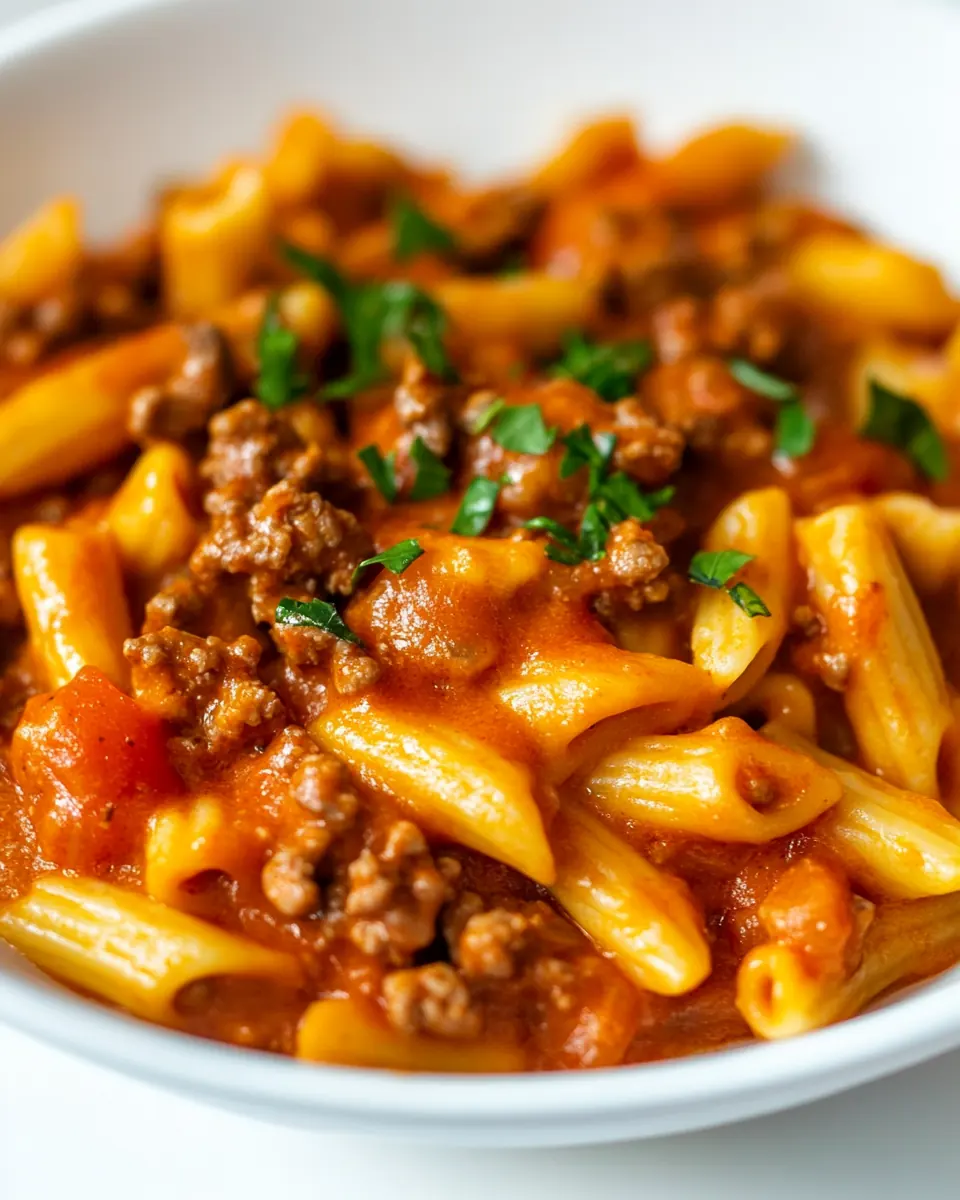
Brown the ground beef in a large skillet with high sides along with the onion, over medium-high heat. Cook the beef, breaking it up with a spoon, until no longer pink. Drain off any excess fat and return skillet to the stove top.: Listen for a lively sizzle and watch the ground beef develop a deep brown color, with small mahogany bits forming on the pan surface, which adds a rich, caramelized flavor to the dish. The aroma will shift from raw meat to a toasty, savory scent as water evaporates and proteins brown, signaling that the Maillard reaction is doing its work. A useful trick is to avoid constantly stirring at the very start; let the meat contact the pan to create those flavor packed bits, then break it up into small pieces so it browns evenly. If you find the pan steaming rather than browning, your heat may be too low or the pan overcrowded; cook in batches or raise the heat slightly for better color.
Stir in the garlic and Italian seasoning, cook until fragrant, about 30 seconds. Pour in the beef broth, milk and pasta sauce, bring the mixture to a boil.: You will see the meat transition from bright pink to a crumbly, tan to brown color, and that visual shift is your primary doneness cue. Texturally, properly cooked ground beef should be firm but still moist, with no translucent bits remaining. As you break the meat up, scrape the bottom of the skillet to lift the fond, those browned morsels dissolve into later liquids and deepen the sauce. A common mistake is rushing this phase and leaving larger raw pockets, so take an extra minute to ensure even cooking throughout.
Add in the uncooked pasta shells and stir often, uncovered, until the pasta has absorbed the majority of the liquid and the noodles are tender. This should take about 15 to 18 minutes.: Use caution as you pour off rendered fat; retaining a little bit is fine for flavor, but too much will make the final dish greasy. Removing excess fat sharpens the sauce and helps the cheddar cheese meld without floating in a pool of oil. After draining, return the skillet so the pan temperature recovers and the remaining bits cling to the surface, which you will use to boost flavor in the next steps. Avoid discarding all fat if you want maximum richness, but if you see a sheen of oil, drain until it looks balanced.
Stir in the shredded cheese and mix until it's well incorporated with the sauce. Season with salt and pepper to taste. Enjoy!: As the garlic heats briefly, it will release a warm, toasty aroma that signals it is ready, and the dried herbs will bloom, giving the sauce a fragrant herbal lift. This step is about coaxing flavors out of small ingredients, so keep the heat moderate and stir so nothing sticks or burns. Garlic becomes bitter when overcooked, so once the fragrance hits, proceed to adding liquids to carry and integrate these aromatics into the sauce.
Pour in the beef broth milk and pasta sauce bring the mixture to a boil: When you add the beef broth , milk , and jarred pasta sauce , the skillet will steam and the sauce will start to simmer. Bring it to a gentle boil so the liquids mingle and the flavors begin to concentrate; you should see small bubbles across the surface and a comforting tomato aroma. This boiling step is important to kickstart the pasta cooking, and it also helps the starches begin to thicken the sauce. If the mixture looks separated or curdled, reduce the heat and whisk gently to recombine the liquids.
Add in the uncooked pasta shells and stir often uncovered until the pasta has absorbed the majority of the liquid and the noodles are tender: As the uncooked pasta simmers directly in the sauce, it will release starch that gradually thickens the mixture, changing the texture from soupy to saucy; you should stir frequently to prevent clumping and sticking, especially around the edges. Watch the shells swell and test a piece for a tender bite that still has a slight chew, this is the al dente moment where texture is ideal. A common error is under stirring which leads to uneven cooking or sticking, so keep a steady rhythm of gentle stirring and scrape the bottom to lift any pasta that clings.
This should take about 15 to 18 minutes: During this span you will notice the sauce reduce and cling to the pasta , the steam aroma will evolve into a concentrated tomato meat scent, and the skillet will sound quieter as the liquid thickens. Use a fork to check different spots for doneness since pan heat can vary across the surface. If the pasta is still firm after the time window, keep simmering and tasting every minute, but if it has absorbed too much and looks dry before it is tender, add a splash of broth to rescue the texture.
Stir in the shredded cheese and mix until it's well incorporated with the sauce: When you add the shredded cheddar cheese , the mixture will become glossy and velvety as the cheese melts, coating each shell and creating that irresistible cling. Remove the skillet from high heat and stir steadily so the cheese melts uniformly rather than separating into oily streaks. If the sauce seems grainy, lowering the heat and adding a tablespoon of milk can help smooth it out; overheating cheese is the usual culprit for a broken texture.
Season with salt and pepper to taste: Tasting here is essential because the beef broth and pasta sauce may already carry sodium. Add salt and pepper gradually and stir, sampling between additions until the balance feels right, a balance that brightens flavors without overwhelming them. Over seasoning is easy at this stage, so err on the side of caution and remember you can always add more at the table.
Enjoy!: The final dish should be warm, saucy, and cheesy with individual shells loaded with flavorful filling; serve immediately to enjoy the best texture, and watch the cheese stay melty. If you plan to reheat leftovers, they will thicken in the fridge, so add a splash of milk or broth when warming to revive the sauce to a creamy consistency. Avoid letting it sit uncovered at room temperature for long, as the sauce will dry and the pasta may become sticky.