In a bowl add the sugar, 1/2 cup of warm water and one packet of active dry yeast and stir. This can be done right in the base of a stand mixer or in a separate bowl. The water you use should be warm to the touch, but not super hot or you may kill the yeast.: You should notice the water feel comfortably warm to the touch and the sugar dissolving quickly, which creates an inviting environment for the yeast . Stirring helps ensure the yeast makes contact with liquid and sugar, promoting an even bloom. A warm, slightly sweet scent will develop, and tiny bubbles may form at the surface as the mix rests. Why this matters: evenly distributed yeast means consistent rise and reliable texture. Troubleshooting: if the water is too hot you may kill the yeast ; if it fails to foam after proofing, the yeast might be old or water temperature incorrect.
Allow the yeast to set for 10 minutes. This is called proofing, and allows the yeast to begin to grow and expand. Your mixture should turn frothy looking on top, and should smell a bit earthy. If the yeast doesn’t have frothy bubbles on the top after 10 minutes, you may need to try again with new yeast.: After a short rest you should see a frothy, bubbly cap and detect a faint earthy, bready aroma that tells you fermentation has started. This proofing step proves the yeast is active and ready to lift the dough. The visual cue is crucial because it prevents starting with dead yeast, which would lead to dense crust. Troubleshooting: if no foam appears, discard and start with fresh yeast and properly warmed water .
Mix together the flour, salt and Italian seasoning blend (optional) until combined. Add the flour mixture to the yeast mixture. Add 3 tablespoons of the olive oil and an additional 1/2 cup of warm water on top to the dough mixture.: The dry mix should look uniform with no clumps, and the salt evenly distributed so it does not contact yeast directly later on. Mixing dry ingredients first ensures the seasoning and salt integrate into the dough without inhibiting fermentation. Troubleshooting: if the mixture has lumps, sift or break them up to avoid uneven hydration in the dough.
Start the mixer or food processor with the dough attachment. Mix until the flour combines, about a minute. Turn the speed up on the mixer to medium high and mix for a full five minutes. The dough should pull away from the bowl and be stretchy when you are done. See notes if mixing by hand.: When the dry ingredients meet the frothy liquid you will instantly see the mixture thicken and small pockets of dry flour vanish as you mix. This initial hydration is when gluten begins to form, which determines chew and structure. Troubleshooting: avoid dumping all liquid at once if the mix seems too wet; add gradually so the dough reaches a tacky, workable consistency.
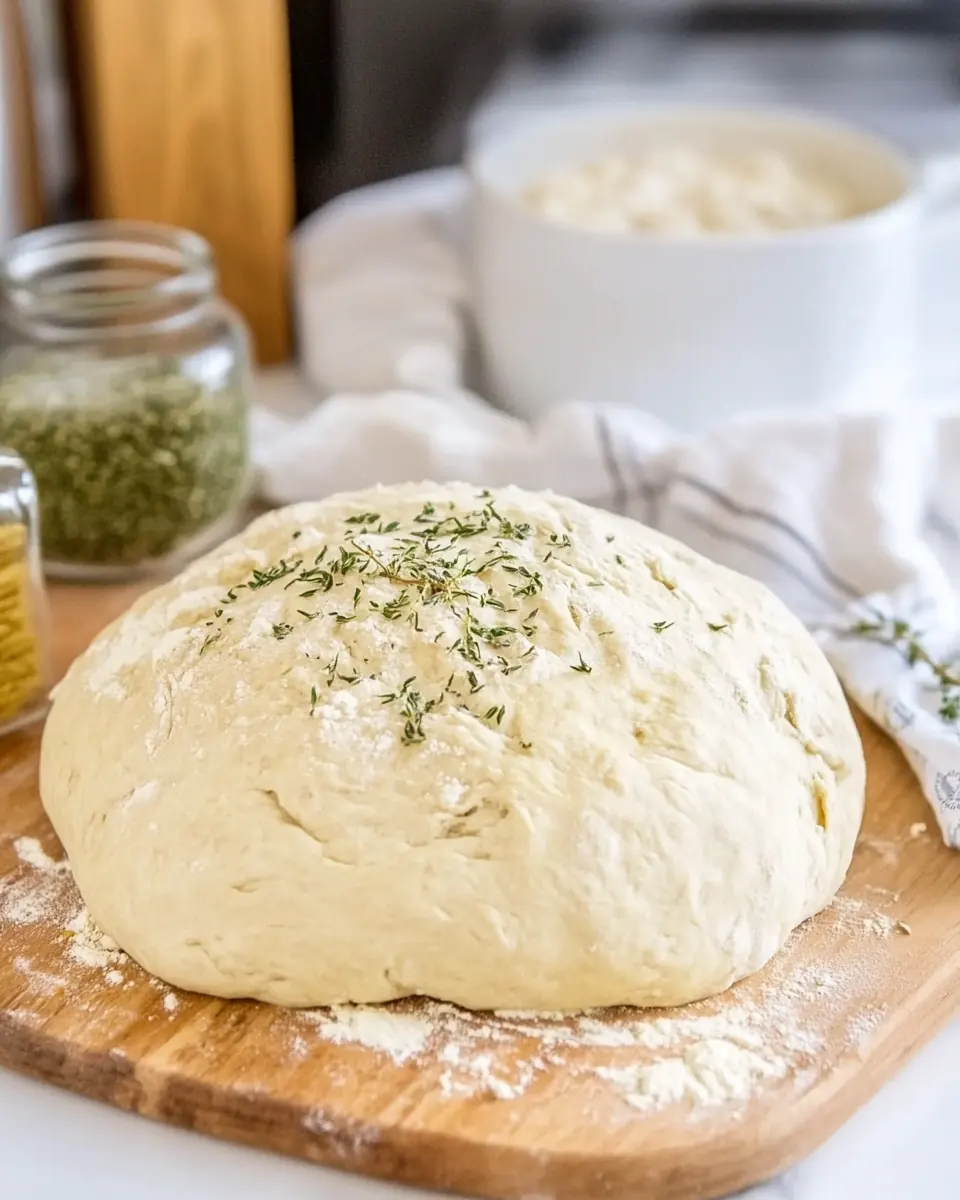
Add a tablespoon of olive oil to a heatproof bowl. With a silicone brush, brush the oil in a thin layer all over the inside of the bowl. Transfer the dough to the bowl and cover with a clean kitchen towel. Place the dough in a warm place near the stove as it warms up, and allow it to rise for 30 minutes.: Adding olive oil and the remaining water should produce a slightly glossy dough that feels supple to the touch. The oil makes the dough more extensible, aiding in rolling and preventing excessive toughness. Troubleshooting: too much water will create a sticky mess, so measure carefully and adjust with small sprinkles of flour if needed.
Add a light handful of flour to a clean surface, your rolling pin, and a sprinkle of flour to the dough. Knead the dough just a few times by gently stretching the dough, folding it in half and then digging the heels of your hand into the dough. Just a couple of quick kneads will help you start stretching the dough and adding flour if it is too sticky. Then start rolling and stretching the dough to use with your favorite recipe.: As the machine runs you will hear the dough transform from shaggy to smooth, and visually it will start to clean the bowl sides. After about a minute the texture tightens, and when you increase speed the dough becomes more elastic. This mechanical kneading develops gluten efficiently, giving a springy feel. Troubleshooting: if mixing by hand, expect a longer knead time; under kneading leaves the dough slack and leads to a flat crust.
Preheat the oven to 450 degrees. Oil the pan or add a handful of cornmeal evenly to the pan for a crunchy bottom that doesn't stick to the pan.: In this stage the dough pulls in loose pockets of flour into a unified mass, and the surface becomes cohesive. The sound of the mixer will soften as the dough comes together. This short pulse sets the stage for the longer knead that follows, ensuring even hydration. Troubleshooting: failing to fully combine may cause dry spots in the dough which create dense areas in the baked crust.
With your hands or a floured rolling pin, begin to stretch the dough. Keep stretching the dough until it is about 12 inches across. If a hole develops you can pinch the dough back together, or even reroll it into a ball and try to stretch the dough again until you have a 12 inch wide circle.: During this sustained knead the dough will develop elasticity and begin to pull away from the bowl, becoming less sticky and more springy when pressed. You can test by stretching a small piece to see if it forms a thin window without tearing. This is gluten development at work, giving the final crust its chew. Troubleshooting: over kneading is rare with home mixers but can make dough overly tight; if it becomes hard to handle, let it rest briefly to relax the gluten.
Cover with toppings then bake for 10-12 minutes or until the pizza is golden brown on the outside and fully cooked in the center.: Brushing the bowl with olive oil gives the dough a slippery surface to expand without sticking, and it adds a whisper of fat to the exterior of the dough which helps crust color. The oil also makes it easy to remove the dough after rising. Troubleshooting: using too little oil can lead to sticking, while too much makes the underside greasy.
With a silicone brush, brush the oil in a thin layer all over the inside of the bowl: A thin, even coat ensures the dough can rise freely and keeps the bowl tidy. Run your fingertips around the dough after placing it in the bowl and rotate it so all sides get a light sheen. Why this matters: a lightly oiled surface reduces tearing when you extract the dough and preserves the crumb structure. Troubleshooting: if you skip this you may fight to remove the dough and deflate it unnecessarily.
Transfer the dough to the bowl and cover with a clean kitchen towel: Covering traps gentle warmth and humidity, creating an ideal microclimate for rising. The towel should not be airtight, it should simply shield the dough from drafts while allowing some breathability. You will notice the dough slowly swell and the surface smooth out. Troubleshooting: uncovering too often cools the dough and slows the rise.
Place the dough in a warm place near the stove as it warms up, and allow it to rise for 30 minutes: During this time the dough should visibly increase in size and become pillowy. The aroma will shift toward a wheaty, slightly yeasty fragrance. Proper rising builds flavor and lightness. Troubleshooting: if your kitchen is cold, the rise will be slow; use a slightly warmed oven or a sunny spot to help.
Add a light handful of flour to a clean surface, your rolling pin, and a sprinkle of flour to the dough: Light flouring prevents sticking without drying the dough out. The surface should feel slightly tacky but manageable, which helps you shape without tearing. Troubleshooting: heavy flouring can incorporate excess flour and make the crust dry.
Knead the dough just a few times by gently stretching the dough, folding it in half and then digging the heels of your hand into the dough: These short, deliberate kneads relax the dough and remove large air pockets, creating an even crumb. You should feel the dough yielding under your palms and stretching smoothly. Why this matters: overworking strips the dough of spring, while underworking leaves uneven pockets. Troubleshooting: avoid pounding or aggressive handling which can make the dough tough.
Just a couple of quick kneads will help you start stretching the dough and adding flour if it is too sticky: After a few turns the dough should be easier to shape and less prone to tearing, and you can add small pinches of flour only where necessary. The tactile feedback guides you more than timers do. Troubleshooting: if you add too much flour here you may end up with a dry crust, so add sparingly.
Then start rolling and stretching the dough to use with your favorite recipe: As you roll you will hear the dough thin and feel it give under your hands; the edges should remain slightly thicker for good structure. A uniformly stretched circle bakes evenly and crisps nicely. Troubleshooting: if holes appear, pinch and seal or reform into a ball and try again gently to avoid over working.
Preheat the oven to 450 degrees: A hot oven is essential for lively oven spring and a golden, blistered crust. When the oven reaches temperature you may notice a faint toasty smell that primes the baking surface. Why this matters: high heat jump starts crust browning and ensures toppings cook quickly without drying out the center. Troubleshooting: baking at lower temperatures yields a pale, dense crust.
Oil the pan or add a handful of cornmeal evenly to the pan for a crunchy bottom that doesn't stick to the pan: The cornmeal gives a pleasant crispness and helps the pizza release. If using oil, coat the pan lightly to avoid greasiness. Press the dough into the prepared pan and the bottom will develop a nice texture during baking. Troubleshooting: uneven cornmeal distribution can lead to sticky spots, so spread it evenly.
With your hands or a floured rolling pin, begin to stretch the dough: You should hear soft stretching noises and see the dough become translucent in places as gluten thins, indicating readiness. Stretch gently from the center outward, keeping the edges slightly thicker. Troubleshooting: excessive force tears the dough, so work patiently and let the dough relax if it resists.
Keep stretching the dough until it is about 12 inches across: Aim for a consistent thickness so the center cooks through while the rim crisps to a golden brown. A 12 inch diameter yields balanced slices for most pans. Troubleshooting: if the dough shrinks back, let it rest for a few minutes to relax the gluten before continuing.
If a hole develops you can pinch the dough back together, or even reroll it into a ball and try to stretch the dough again until you have a 12 inch wide circle: Repairing holes promptly preserves structure and prevents toppings from leaking through. Pinching should be gentle to avoid compressing the rim. Troubleshooting: repeated rerolling can overwork the dough, so try gentle patching first.
Cover with toppings then bake for 10 to 12 minutes or until the pizza is golden brown on the outside and fully cooked in the center: In the oven you will see bubbling cheese and edges bronzing to a golden brown, while a faint toasty aroma fills the kitchen. The crust should sound hollow when tapped and feel firm at the edge. Why this matters: the short, hot bake keeps toppings vibrant and ensures a crisp bottom without drying the center. Troubleshooting: baking too long will dry the crust, so watch for color and bubbling as your best guide.