Combine sauce ingredients in a small bowl; whisk together and set aside.: The moment you mix these components the aroma becomes layered, with sweet top notes from the honey and deep, molasses like perfume from the molasses . Whisking helps the Dijon mustard emulsify, creating a cohesive glaze. If the mixture feels too thick, a splash of the water smooths it out so it will coat the chicken evenly. A common mistake is skipping this step, which can leave the sauce unevenly distributed, so take a few extra seconds to fully combine everything.
Heat oil in a large nonstick skillet over medium high heat. Sprinkle chicken with salt and pepper. Add chicken to pan, browning on all sides.: When the olive oil shimmers but has not started to smoke, it is time to add the chicken . The initial sizzle should be audible and lively, signaling good contact with the pan. This high heat creates Maillard browning, giving those savory, toasty notes. Avoid overcrowding the skillet, as that will steam the meat instead of browning it, and results in a pale surface rather than a rich crust.
Add honey mixture to pan, turning chicken to coat. Reduce heat to medium low. Cover and cook 15 minutes or until chicken is done, turning chicken every 5 minutes. Uncover and cook an additional minute or until mixture is thick and darker color, and the chicken is well coated. Remove from heat; serve immediately, or cool before refrigerating.: Seasoning right before the sear ensures the surface has enough salt to encourage browning and flavor penetration. The grains of kosher salt dissolve as the chicken cooks and the black pepper releases its aroma. If you season too early and leave the chicken uncovered for a long time, it can draw moisture out, so do this step just before the pan.
Add chicken to pan, browning on all sides: As you place each drumstick in the skillet listen for that steady sizzle, and let it sit until a golden crust forms before turning. Browning three to four sides builds layered flavor and creates textural contrast to the tender interior. The visual cue is a deep golden brown color, not just pale. A common error is flipping too soon, which prevents proper crust development and reduces flavor depth.
Add honey mixture to pan, turning chicken to coat: When the sauce hits the hot pan it will steam and sizzle, releasing a fragrant sweet tang. As you turn the chicken , watch the glaze begin to thicken and cling. This is the point where the flavors begin to marry, and the heat should be just high enough to activate caramelization but not so high that sugars burn. If the mixture smokes heavily, lower the heat immediately to prevent bitterness.
Reduce heat to medium low: Lowering to medium low slows the cooking so the interior reaches doneness without charred exteriors. At this gentler heat the sauce has time to reduce and become glossy, while the meat cooks through evenly. Too high a heat here will evaporate moisture too fast, leaving rubbery chicken and a burnt glaze, so be mindful.
Cover and cook 15 minutes or until chicken is done, turning chicken every 5 minutes: The cover traps steam, cooking the chicken through while the periodic turning ensures each drumstick soaks up the sauce evenly. You should hear a lower, steady simmer under the lid and see the drumsticks begin to glisten as they absorb the glaze. Use a thermometer when in doubt, aiming for a safe internal temperature. A common oversight is not turning often enough, which leads to uneven coating and spots of undercooked glaze.
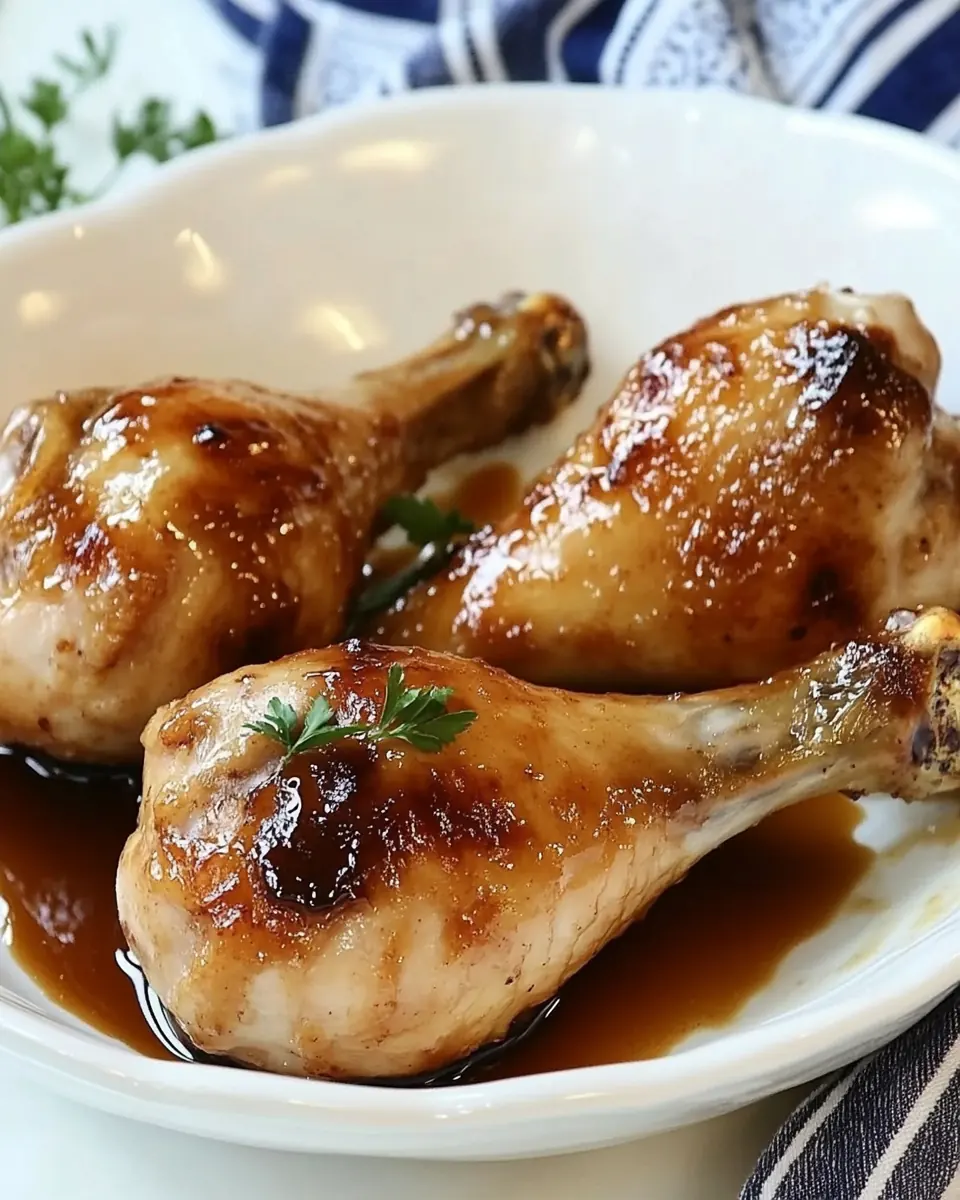
Uncover and cook an additional minute or until mixture is thick and darker color, and the chicken is well coated: Once uncovered the sauce will concentrate and jump from glossy to tacky quickly, deepening in color. That final minute is crucial for developing a clingy, lacquered finish. Keep a watchful eye because sugars can go from perfectly caramelized to burned in seconds. If the sauce starts to blacken, remove the pan from heat right away to salvage the meat.
Remove from heat; serve immediately, or cool before refrigerating: After removing the pan from heat you will notice the aroma intensify as the sauce settles. Serving immediately gives the best glossy presentation, with sticky fingers and a warm center. If you plan to refrigerate, let the drumsticks cool uncovered at room temperature briefly, then store in a sealed container. A typical mistake is sealing hot food immediately, which can trap steam and soften the glaze, so let it cool a touch first.