Divide the 1 pound of ground beef into four equal portions, each weighing approximately a quarter pound.: The meat should feel cool and slightly tacky in your hands, not wet or greasy. When you portion evenly, cooking becomes predictable, and each burger fits a standard bun. I use my palms to gently press out portions, paying attention to weight rather than perfect shape. If you press too hard you'll compress the meat making dense patties, so keep movements light. A kitchen scale helps if you want precision, but eyeing the portions works fine once you get practice.
Use a knife to create an X-shaped cut on each portion to ensure even distribution.: The shallow X helps the meat relax and gives a guide for shaping, while also preventing doming when cooking. You should hear a soft tearing sound as the knife scores the surface, and the meat will feel more pliable afterward. Do not slice too deep, or you may create weak spots that fall apart on the grill. Many people overdo the cut, which can lead to uneven thickness after forming the patty.
Sprinkle each portion generously with garlic salt and pepper, using approximately 1/4 teaspoon of garlic salt and 1/8 teaspoon of pepper per portion.: You will notice the aroma of garlic lifting from the meat immediately, and the visual of seasoning speckled on the surface is a good cue. Even distribution is key, so I lightly sprinkle from a few inches above to cover the surface. Over-salting at this stage is the typical misstep, so measure if you are unsure, because salt cannot be removed once it is mixed in.
Incorporate the seasonings into the meat by gently mixing with your hands until well integrated.: The motion should be slow and folding rather than vigorous kneading, allowing the spices to spread without overworking the protein. You will feel the texture become slightly more cohesive, and the scent will be more uniform. If you mix too forcefully, the fat gets compacted and the final burger will be tough, so stop as soon as the seasonings look evenly distributed.
Shape each portion into a ball and then flatten into a patty, ensuring it is thin enough to fit a standard burger bun. Push down the center if desired.: When flattening, aim for a uniform thickness so the burgers cook evenly; the surface should appear matte and slightly tacky. If you like, press a small indentation in the center with your thumb to prevent doming during cooking. Overworking edges to force shape can create dense rims that cook faster than the center, so keep edges neat but not compressed. A consistent patty ensures predictable doneness.
Optional: Sprinkle additional garlic salt and pepper on the top of each patty for extra flavor.: This small action helps the patty stay flat as it cooks, producing an even sear across the top and bottom. You should see the center hold its shape rather than puff up, and the texture will feel balanced when you press lightly. Skipping this can lead to rounded burgers that take longer to cook through in the middle, which is the most common issue here.
Heat a grill or griddle over medium or medium-high heat.: Sprinkle additional garlic salt and pepper on the top of each patty for extra flavor : A light dusting right before cooking intensifies the aroma and enhances crust formation as the seasoning reaches higher temperatures. You will smell the spices bloom almost instantly on a hot surface. Be cautious with extra salt, since the meat is already seasoned internally, and avoid heavy layering that masks the beef.
Cook the patties for 4-5 minutes on each side, or until desired level of doneness is reached.: Look for a surface that is hot enough to make a clean sizzle but not so hot that it chars immediately. The metal will feel very warm if you hold your hand a few inches above it, and you should hear a steady sizzle when the patties first touch. If the surface is too cool the burgers will cook slowly and dry out, so allow adequate preheating time. A common error is rushing to place meat on a lukewarm surface, which prevents a good sear.
Serve the patties on burger buns with your favorite toppings and condiments.: Listen for a sustained sizzling sound and look for a deep golden crust forming before flipping. The edges will firm and juices may rise to the top surface, signaling it's time to turn. Resist pressing the patties with a spatula, because that squeezes out juices and dries the burger. Use a thin spatula and flip once for best results.
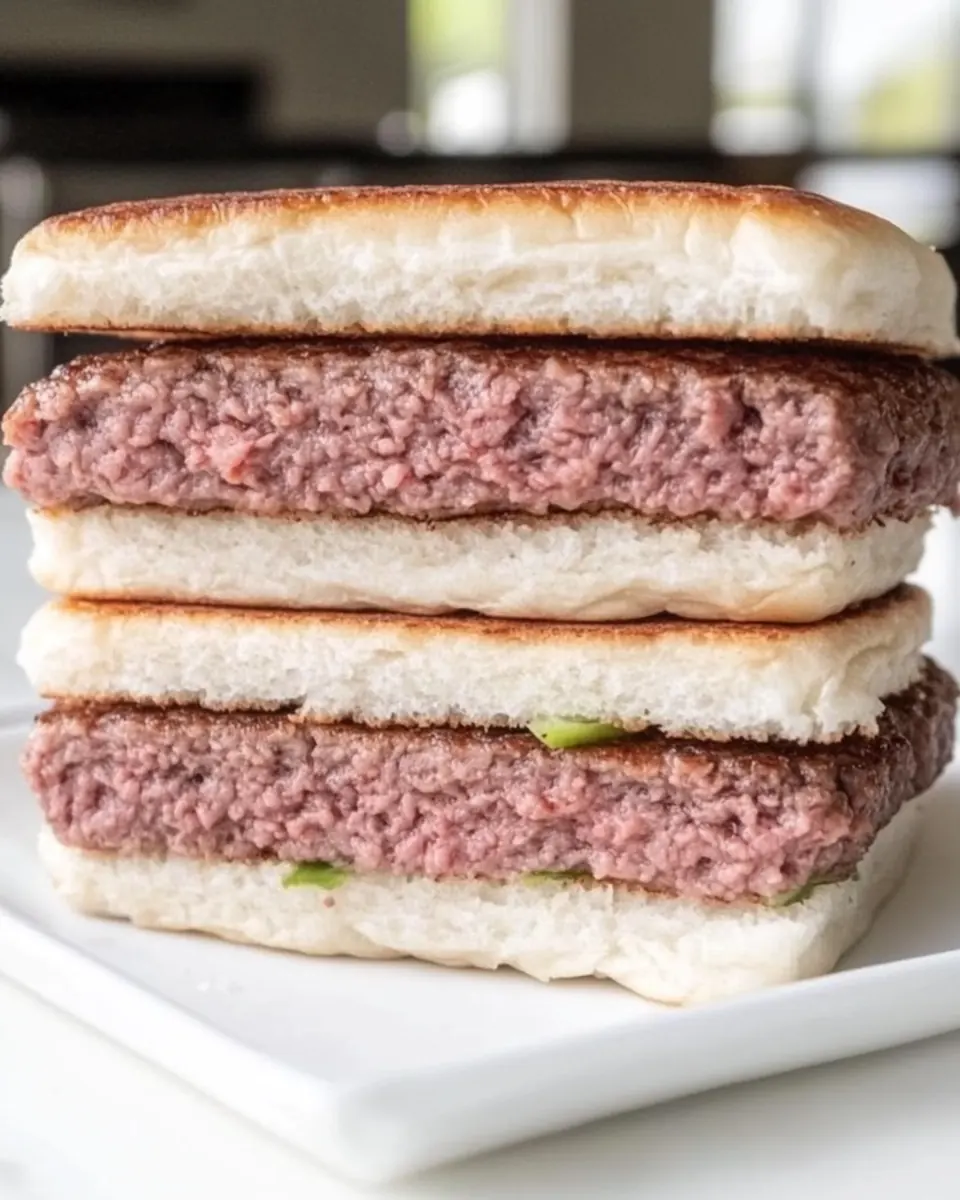
Enjoy your perfectly sized quarter pound burgers!: The contrast of a warm, slightly toasted bun against the savory, aromatic patty is essential. Layer toppings evenly for balanced bites, and if you toast the buns briefly on the grill you'll add crunch and prevent sogginess. A frequent mistake is piling too many wet toppings without a barrier like lettuce or toasted bread, which can make the bun limp.
Enjoy your perfectly sized quarter pound burgers: Take a moment to notice the scent of the cooked beef, the crisp edges, and the harmony of seasoning on the first bite. Eating right away preserves texture and warmth. Letting burgers sit too long cools the fats and flattens the experience, so serve promptly for the best enjoyment.